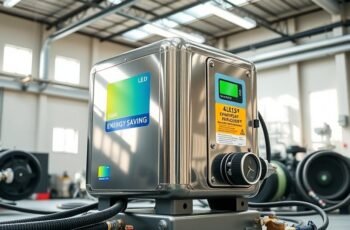
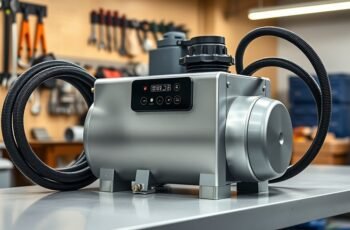
When selecting a silent air compressor, understanding the technical nuances is essential for optimizing performance and minimizing noise. We recognize that factors like soundproofing, airflow, and compressor type profoundly influence operational efficiency and workspace safety. As we explore these elements, you’ll discover how to make informed decisions that balance cost, durability, and noise reduction—crucial considerations that can impact your overall setup and productivity. Let’s examine the critical aspects that will guide you toward the most suitable choice.
Key Takeaways
- Compare noise levels below 70 dB to ensure quiet operation suited for your environment.
- Assess soundproof features like insulated casing and vibration dampers for effective noise reduction.
- Match compressor type and capacity to your airflow, pressure, and duty cycle requirements.
- Prioritize easy maintenance features such as accessible filters and self-cleaning components.
- Consider long-term durability, energy efficiency, and compatibility with necessary accessories.
What Are Silent Air Compressors and How Do They Work?
While traditional air compressors can generate significant noise levels, silent air compressors are designed to operate with minimal sound output by employing specialized components and engineering techniques. These compressors enhance air quality by reducing vibration and turbulence, which minimizes airborne contaminants and extends component lifespan. Their advanced design often includes sound-dampening enclosures and precision-engineered valves that suppress noise. Additionally, silent compressors improve energy efficiency through optimized airflow management, reducing unnecessary power consumption. By focusing on reducing noise without sacrificing performance, these units improve workplace safety and comfort. Their technical architecture ensures a steady, high-quality air supply while maintaining ideal air quality standards. Overall, silent air compressors balance noise reduction with efficient operation, making them suitable for sensitive environments where air quality and energy efficiency are paramount.
Key Features to Look for in a Quiet Air Compressor
When selecting a quiet air compressor, evaluating noise level specifications is essential for ensuring it meets your environment’s requirements. Soundproof housing features and muffler designs directly impact overall noise reduction, making them critical considerations. Analyzing these components helps optimize performance while minimizing sound emissions.
Noise Level Specifications
Have you ever considered how much noise a compressor produces during operation? Noise level specifications are vital for evaluating a compressor’s quietness and overall noise reduction capabilities. When examining these specifications, look for decibel (dB) ratings, ideally below 70 dB for maximum sound insulation, which indicates reduced noise emissions. Compressor designs often feature soundproofing components, such as insulated casing or vibration dampers, that minimize sound transmission. Key factors include:
- Manufacturer’s dB rating at specified operating conditions
- Presence of sound insulation materials within the housing
- Vibration damping features to reduce noise transmission
- Compressor size relative to noise output
- Compliance with industry noise reduction standards
Understanding these specifications helps guarantee your chosen compressor operates quietly without sacrificing performance.
Soundproof Housing Features
Soundproof housing features substantially influence a compressor’s noise output, making them a key consideration in selecting a quiet model. A well-designed soundproof housing minimizes sound transmission through soundproofing materials and structural design, reducing overall noise levels. These enclosures often incorporate sound-absorbing panels and thick, insulated walls that dampen vibration and airborne sound. Vibration isolation is also critical; by decoupling the compressor from its mounting surface, it prevents vibration from transferring to the housing, further decreasing noise. Effective soundproof housing combines these elements to contain operational noise within the enclosure, ensuring quieter operation. When evaluating models, look for robust soundproof housing that emphasizes vibration isolation, as these features considerably contribute to a quieter, more efficient compressor.
Muffler and Exhaust Design
A well-designed muffler and exhaust system are essential for minimizing noise in a quiet air compressor. The muffler design influences how effectively sound is dampened, while the exhaust configuration determines how noise escapes the system. An ideal setup reduces turbine and valve noise, ensuring quieter operation. Key features include:
- Multi-chamber muffler design for sound absorption
- Sound-dampening materials within the muffler structure
- Flexible exhaust routing to minimize vibration transmission
- Low-restriction exhaust outlets that balance noise reduction and airflow
- Strategic placement of muffler and exhaust to prevent noise reflection
These elements work together to optimize noise control, ensuring the compressor operates quietly without sacrificing performance.
How to Choose the Right Silent Air Compressor for Your Needs
Selecting the appropriate silent air compressor requires a clear understanding of your specific application requirements and operational parameters. We must assess airflow demands, pressure levels, and duty cycles to match a unit’s capacity accurately. Key considerations include evaluating power source options—electric, battery, or pneumatic—based on portability and available infrastructure. Efficient air filter maintenance is crucial to sustain peak performance and reduce wear, so choosing models with accessible filters or self-cleaning features can be advantageous. Additionally, understanding compressor duty cycles ensures the unit can handle continuous or intermittent use without overheating. By analyzing these factors, we can identify a silent air compressor that balances power, durability, and ease of maintenance, guaranteeing it meets both immediate and long-term operational needs effectively.
Comparing Different Types of Silent Air Compressors
Different compressor types offer distinct operational characteristics and noise reduction capabilities that impact their suitability for specific applications. Examining these variations allows us to evaluate how design features and soundproofing technologies influence overall noise levels. By comparing these aspects, we can identify the most effective options for maintaining a quiet workspace.
Compressor Types Overview
There are several key types of silent air compressors, each with distinct mechanisms and performance characteristics that influence suitability for specific applications. Understanding these differences is essential for effective air compressor maintenance and troubleshooting.
- Reciprocating (Piston) Compressors: Known for high pressure output, but require regular maintenance due to piston wear.
- Rotary Screw Compressors: Suitable for continuous operation; lower noise levels and better for long-term, industrial use.
- Scroll Compressors: Offer quieter operation and fewer moving parts, simplifying compressor troubleshooting.
- Centrifugal Compressors: Designed for large-scale applications; maintenance demands are higher due to complex components.
- Diaphragm Compressors: Compact, with minimal lubrication, ideal for sensitive environments and easy to troubleshoot.
Choosing the right type hinges on application needs, ongoing maintenance, and troubleshooting complexity.
Noise Reduction Features
While all silent air compressors aim to reduce noise, their effectiveness depends on specific noise reduction features inherent to each type. Vibration dampening is critical; compressors with rubber mounts or dampening pads absorb operational vibrations, preventing sound transmission through surfaces. An ergonomic design also plays a role, with features like streamlined enclosures and soundproof casings minimizing noise escape. Some models incorporate advanced insulation materials that absorb sound waves internally, enhancing silence. Additionally, quieter operation often correlates with optimized motor placement and reduced mechanical complexity. By comparing these features across different compressor types, users can identify models that offer superior noise control. Ultimately, selecting a compressor with strategic vibration dampening and ergonomic design ensures minimal noise, improving work environments and user comfort.
Tips for Maintaining Your Silent Air Compressor and Ensuring Longevity
Regular maintenance is essential to maximize the lifespan and performance of your silent air compressor. Consistent checks and upkeep help sustain energy efficiency and preserve portability options. To optimize longevity, monitor and replace filters regularly to prevent internal clogging, which can reduce efficiency. Lubricate moving parts as specified by the manufacturer to minimize wear and tear. Drain accumulated condensation to avoid corrosion and maintain system integrity. Conduct periodic belt inspections to ensure proper tension and prevent slippage that could impair performance. Additionally, keep the compressor in a clean, vibration-free environment to reduce operational stress. Proper maintenance not only enhances energy efficiency but also guarantees your unit remains portable and reliable over time, reducing the risk of costly repairs and downtime.
Common Mistakes to Avoid When Buying a Silent Air Compressor
When selecting a silent air compressor, making informed decisions is essential to avoid costly mistakes that can compromise performance and longevity. A common error is neglecting compatibility with fundamental air compressor accessories, which are critical for efficient operation and safety. Failing to assess the compressor’s capacity to support these accessories can lead to inefficiencies. Additionally, overlooking the importance of maintenance schedules during purchase decisions can result in increased downtime and repair costs over time. Many buyers focus solely on initial noise levels or price, but ignoring these technical factors risks reduced lifespan and inconsistent airflow. To prevent this, thoroughly evaluate the compressor’s specifications, ensuring it aligns with your accessory needs and allows for straightforward, effective maintenance.
The Benefits of Using a Quiet Air Compressor in Your Workspace
Using a quiet air compressor in your workspace offers significant advantages by reducing noise pollution and enhancing overall safety. Lower noise levels improve communication and concentration, decreasing the risk of accidents caused by miscommunication. Additionally, quieter models tend to produce less vibrations, contributing to a more stable environment. From an air quality perspective, silent compressors often incorporate advanced filtration systems that minimize airborne contaminants, promoting healthier work conditions. They also tend to operate with greater power efficiency, reducing energy consumption and operational costs.
- Improved communication and reduced hearing strain
- Enhanced safety by minimizing distractions
- Better air quality with reduced airborne pollutants
- Increased power efficiency leading to lower energy bills
- Reduced vibration, extending equipment lifespan
Where to Find the Best Deals on Silent Air Compressors
To secure the best deals on silent air compressors, it’s essential to leverage a combination of online research, comparison tools, and strategic timing. We recommend monitoring reputable e-commerce platforms, manufacturer websites, and specialized industrial supply stores. Pay attention to seasonal sales and bundle offers that include air compressor accessories, which often add value. Comparing warranties, energy efficiency, and noise levels helps identify ideal options. Additionally, consider vendors that offer detailed maintenance tips, ensuring longevity and consistent performance. Buying from trusted sources reduces the risk of counterfeit parts and facilitates access to genuine air compressor accessories. By applying these analytical approaches, you can identify cost-effective solutions that meet technical specifications while maximizing long-term savings.
Frequently Asked Questions
Are Silent Air Compressors Suitable for Industrial Applications?
Silent air compressors can suit certain industrial applications, especially where low noise levels are essential. However, their application suitability depends on power requirements, duty cycle, and specific industrial demands, which demand detailed technical evaluation before deployment.
How Noisy Are Silent Air Compressors Compared to Traditional Models?
Silent air compressors considerably reduce noise levels, creating calmer, more comfortable environments. Compared to traditional models, they emit markedly less noise, enhancing user comfort through quieter operation, which benefits workplaces requiring sustained concentration or low noise interference.
What Is the Average Lifespan of a Silent Air Compressor?
We find that the average lifespan of a silent air compressor, typically 8-10 years, benefits from noise reduction and energy efficiency features, which reduce wear and tear, ultimately extending operational longevity and maintaining consistent performance over its lifespan.
Can a Silent Air Compressor Run Continuously Without Overheating?
Yes, a silent air compressor can run continuously without overheating, thanks to advanced cooling mechanisms and optimized noise levels, which maintain consistent temperatures and prevent thermal overload during extended operation, ensuring reliable, uninterrupted performance.
Do Silent Air Compressors Require Special Maintenance or Parts?
Silent air compressors generally don’t need special parts but require regular maintenance to guarantee peak performance. Maintenance frequency is crucial, and spare parts availability can vary; staying proactive helps prevent unexpected downtime and keeps your compressor running smoothly like a well-oiled machine.
Conclusion
In summary, selecting the right silent air compressor involves understanding its noise levels, features, and suitability for your tasks. It requires careful comparison, diligent maintenance, and awareness of common pitfalls. By prioritizing durability, energy efficiency, and compatibility, we guarantee superior performance, safety, and longevity. Ultimately, making an informed choice means investing in a quiet, reliable tool that enhances productivity while minimizing noise, vibration, and disruption—delivering efficiency, comfort, and peace of mind in every operation.