Choosing the right oil-free air compressor requires careful analysis of technical specifications, operational needs, and long-term costs. We recognize the importance of selecting a unit that balances performance, durability, and environmental considerations. As we explore the key factors influencing this decision, you’ll see how aligning features with your specific application can optimize efficiency and reliability—making it vital to evaluate options thoroughly before making a purchase.
Key Takeaways
- Understand the benefits of oil-free compressors, such as cleaner air and reduced contamination risks.
- Consider operational environment, noise levels, and maintenance requirements for optimal selection.
- Choose the appropriate compressor type (scroll, piston, diaphragm) based on application needs.
- Prioritize energy efficiency, durability, and features like variable speed drives for long-term savings.
- Evaluate total costs, brand reputation, and environmental impact for the best value and sustainability.
What Is an Oil-Free Air Compressor and How Does It Work?
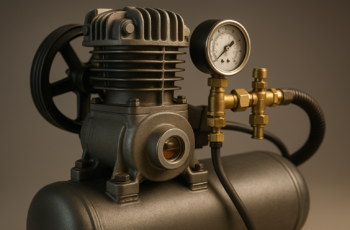
An oil-free air compressor is a type of compressor designed to operate without the need for lubrication oil in the compression chamber. This is achieved through advanced lubrication technology, which uses specialized coatings or self-lubricating components to reduce friction. By eliminating oil, these compressors avoid contamination risks and simplify maintenance. The absence of oil also impacts compressor efficiency, as reduced friction can lead to lower energy consumption and more consistent performance. Precision engineering ensures that the compression process remains smooth and reliable without traditional lubrication systems, making oil-free compressors ideal for applications requiring high purity and minimal downtime. Overall, the integration of innovative lubrication technology enhances both operational reliability and efficiency in oil-free compressor designs.
Key Benefits of Choosing an Oil-Free Compressor
Choosing an oil-free compressor offers several compelling advantages, particularly in environments where air purity and maintenance efficiency are critical. These compressors produce cleaner, oil-free air, reducing contamination risks in sensitive applications like pharmaceuticals and electronics. From an environmental impact perspective, they eliminate oil venting and disposal concerns, decreasing pollution and waste. Additionally, oil-free units typically operate with higher energy efficiency due to fewer moving parts and reduced friction, leading to lower operational costs. Their design simplifies maintenance, minimizing downtime and extending equipment lifespan. This combination of cleaner output, reduced environmental footprint, and enhanced energy efficiency makes oil-free compressors an ideal choice for industries prioritizing sustainability and operational precision.
Factors to Consider When Buying an Oil-Free Air Compressor
When selecting an oil-free air compressor, we must carefully evaluate noise levels to guarantee suitability for our work environment, especially in noise-sensitive settings. Maintenance requirements also play a critical role, as they impact long-term operational costs and downtime. By analyzing these factors, we can make informed decisions that optimize efficiency and reliability.
Noise Level Considerations
Noise levels can markedly impact operational environment and worker comfort, making it a critical factor in selecting an oil-free air compressor. Effective noise mitigation involves analyzing the compressor’s design and operational vibrations, which influence sound emissions. Selecting models with inherently lower decibel ratings is essential, but additional soundproofing techniques can further reduce noise levels. These techniques include installing sound enclosures, acoustic barriers, or vibration isolators that dampen noise transmission. When evaluating compressors, consider both the operational noise and the potential for soundproofing enhancements. Proper attention to noise level considerations ensures a safer, more comfortable workspace, especially in environments requiring minimal acoustic disruption. Balancing compressor performance with sound management is key to optimizing both efficiency and worker well-being.
Maintenance Requirements
Maintenance requirements play a critical role in determining the overall efficiency and longevity of an oil-free air compressor. Proper upkeep guarantees ideal operation, reduces downtime, and preserves energy efficiency. Key considerations include understanding lubrication essentials, as oil-free models rely on specific maintenance routines for their seals and filters. Regular inspection and replacement of air filters prevent contamination and maintain air quality. Additionally, warranty policies should be reviewed to clarify coverage for parts and service, ensuring maintenance costs are predictable.
- Lubrication essentials: Follow manufacturer guidelines to avoid component wear and ensure smooth operation.
- Scheduled inspections: Regular checks of filters, valves, and seals are essential.
- Warranty policies: Verify coverage details to plan maintenance and repairs effectively.
Different Types of Oil-Free Compressors and Their Uses
We classify oil-free compressors into scroll, piston, and diaphragm types, each designed for specific applications and performance requirements. Scroll compressors are ideal for continuous, high-volume operations, while piston models provide versatility for variable workloads. Diaphragm compressors excel in environments demanding contamination-free air, making their use cases highly specialized.
Scroll Oil-Free Compressors
Have you considered the unique advantages of scroll oil-free compressors for certain applications? These compressors operate with minimal maintenance and offer high energy efficiency, which reduces operational costs. Their design minimizes environmental impact by eliminating oil leaks and emissions, making them suitable for sensitive environments. Specifically, scroll compressors excel in applications requiring continuous, reliable airflow.
- They deliver consistent performance with fewer moving parts, reducing wear and energy consumption.
- Their compact design enhances energy efficiency by reducing power draw.
- The absence of oil minimizes environmental impact, preventing contamination and disposal issues.
Piston Oil-Free Compressors
Piston oil-free compressors represent a versatile category of air compression solutions favored in many industrial and commercial applications. They utilize a piston mechanism that eliminates the need for oil lubrication, resulting in eco-friendly operation and cleaner compressed air. These compressors are designed for reliable, maintenance-friendly performance, making them suitable for sensitive environments like medical, food, and electronics industries. Their compact design and straightforward construction contribute to overall cost-effective solutions, reducing downtime and operational expenses. Additionally, piston oil-free models often deliver high-pressure output with consistent airflow, ideal for applications requiring precise control. While they may have limited capacity compared to larger systems, their efficiency and environmental benefits make them a practical choice for small to medium-scale operations seeking sustainable and economical air compression options.
Diaphragm Oil-Free Compressors
Diaphragm oil-free compressors are a specialized type of compressor that employs flexible diaphragms to generate compressed air without the need for lubrication. This design minimizes contamination risks, making them ideal for sensitive applications. From an environmental impact perspective, diaphragm compressors produce no oil emissions, reducing ecological footprint. Regarding cost efficiency, their low maintenance requirements and durable diaphragms offer long-term savings. Key considerations include:
- Clean Air Output: Suitable for industries like pharmaceuticals and food processing requiring sterile conditions.
- Operational Reliability: Fewer moving parts lead to consistent performance and lower downtime.
- Energy Use: Typically energy-efficient, further enhancing overall cost savings.
How to Determine the Right Size and Capacity for Your Needs
Selecting the correct size and capacity for an oil-free air compressor is fundamental to guarantee it meets your operational demands efficiently. We analyze airflow requirements, considering both flow rate (CFM) and pressure (PSI), to match your application’s demand. Proper sizing ensures consistent air quality, maintaining contaminant-free output indispensable for sensitive processes. Overestimating capacity leads to unnecessary energy consumption, reducing overall energy efficiency, while underestimating causes performance shortfalls and potential equipment strain. We also assess duty cycle, ensuring the compressor can sustain continuous operation without overheating. Precise sizing optimizes energy use, minimizes operational costs, and guarantees reliable air quality, all essential for maintaining peak system performance. This analytical approach allows for informed decisions, aligning compressor capacity with your specific industrial or commercial needs.
Features to Look for in a High-Quality Oil-Free Compressor
When evaluating a high-quality oil-free compressor, it’s imperative to focus on key features that guarantee reliability, efficiency, and suitability for sensitive applications. Essential characteristics include:
- Energy Efficiency: Look for models with variable speed drives and advanced motor designs that minimize power consumption, reducing operational costs and environmental impact.
- Low Noise Levels: Reduced noise emissions are crucial for sensitive environments, demonstrating well-designed vibration and noise dampening features.
- Durability and Material Quality: High-grade materials ensure longevity and consistent performance, which directly influences environmental impact by decreasing waste and replacement frequency.
These features collectively optimize efficiency, minimize environmental footprint, and assure the compressor’s suitability for demanding applications.
Maintenance Tips to Keep Your Oil-Free Compressor Running Smoothly
Maintaining peak performance in an oil-free compressor requires consistent attention to routine upkeep. Regular inspections of filters and cooling systems guarantee ideal airflow, directly impacting energy efficiency and minimizing operational costs. Clean components prevent dust and debris buildup, which can reduce efficiency and increase environmental impact due to unnecessary energy consumption. Monitoring pressure levels and performing timely maintenance on safety valves help sustain efficiency and avoid costly downtime. Lubrication, although minimal in oil-free units, still necessitates periodic checks to prevent wear and ensure consistent output. Proper maintenance reduces energy waste, lowering the compressor’s environmental impact. By adhering to these practices, we maximize performance, extend lifespan, and promote sustainable operation—crucial factors in maximizing the benefits of an oil-free compressor.
Common Mistakes to Avoid When Purchasing an Oil-Free Compressor
Choosing the wrong oil-free compressor can lead to significant operational inefficiencies and increased costs, making it essential to prevent common pitfalls during the purchasing process.
Selecting the wrong oil-free compressor can cause costly inefficiencies and operational issues.
- Overlooking environmental impact: Selecting a model without considering energy efficiency can increase your carbon footprint and operational costs. Conduct a thorough environmental impact analysis to ensure sustainability.
- Ignoring detailed cost analysis: Focusing solely on upfront purchase price may neglect long-term expenses like maintenance and energy consumption, skewing total cost evaluations.
- Neglecting capacity and performance needs: Purchasing a compressor that doesn’t match your airflow or pressure requirements can cause inefficiencies, higher operational costs, and unnecessary environmental strain.
Avoiding these mistakes ensures a more sustainable, cost-effective investment aligned with your operational demands.
Comparing Top Brands and Models for Best Value
Evaluating top brands and models for oil-free air compressors requires a careful analysis of performance, reliability, and cost-effectiveness. Key factors include energy efficiency, which directly influences operational costs and energy consumption. Comparing models with high energy efficiency ensures reduced energy bills and aligns with sustainable practices. Additionally, examining environmental impact involves examining features that minimize emissions and lubricant use, making models more eco-friendly. Reliable brands often incorporate advanced technologies to enhance airflow and compressor lifespan, providing consistent performance with lower maintenance. Cost-effectiveness isn’t just about initial price but also long-term savings through durability and energy savings. By analyzing these factors, we can identify models that deliver best value, balancing performance, environmental responsibility, and affordability for a well-informed purchase decision.
Frequently Asked Questions
How Long Do Oil-Free Air Compressors Typically Last?
Oil-free air compressors typically last 10,000 to 20,000 hours, depending on maintenance. Regular upkeep reduces costs over time, ensuring longevity, while neglecting maintenance can considerably shorten their lifespan and increase overall cost considerations.
Are Oil-Free Compressors Suitable for Industrial Applications?
Oil-free compressors are suitable for industrial applications due to low lubrication requirements, reducing contamination risks. They demand higher maintenance frequency, but their reliability in sensitive environments outweighs the added upkeep, ensuring consistent performance.
What Is the Average Noise Level of Oil-Free Compressors?
They say “silence is golden,” and oil-free compressors typically produce noise levels around 60-70 dB, comparable to a normal conversation. This sound comparison highlights their quiet operation, making them ideal for noise-sensitive environments.
Can I Use an Oil-Free Compressor for Painting Projects?
Yes, you can use an oil-free compressor for painting projects, as it provides paint compatibility and clean, oil-free airflow ideal for surface preparation and finish, minimizing contamination risks and ensuring high-quality, consistent paint application.
How Energy-Efficient Are Oil-Free Air Compressors?
Oil-free air compressors are highly energy-efficient due to minimal lubrication requirements, reducing friction losses. They also demand lower maintenance frequency, which further enhances overall operational efficiency, making them suitable for continuous, cost-effective applications.
Conclusion
Choosing the right oil-free air compressor is like tuning a finely crafted instrument—precision and understanding make all the difference. By carefully considering your needs, from capacity to features, and avoiding common pitfalls, we guarantee ideal performance and longevity. Making an informed decision ensures your investment harmonizes seamlessly with your operations, minimizing downtime and maximizing efficiency. With the right compressor, you’ll keep your systems running smoothly, like a well-conducted symphony of productivity.