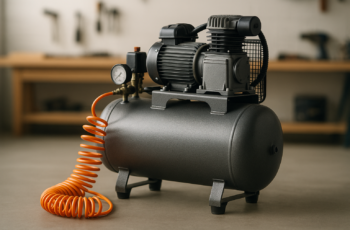
In our experience, understanding the root causes of air compressor issues is essential for maintaining ideal performance and avoiding costly downtime. By systematically diagnosing problems such as pressure drops, overheating, or unusual noises, we can implement effective solutions before minor faults escalate. As we explore common troubleshooting strategies, you’ll discover critical insights that help keep your equipment reliable and efficient—and that’s a discussion worth continuing.
Key Takeaways
- Check for leaks in hoses, fittings, and connections using soapy water or ultrasonic detectors.
- Inspect and clean air filters, moisture traps, and cooling systems regularly to prevent overheating and pressure issues.
- Monitor noise and vibration sources, tighten loose parts, and replace worn bearings or belts promptly.
- Conduct routine lubrication and replace worn or contaminated components like valves and seals proactively.
- Follow manufacturer maintenance schedules for inspections, part replacements, and leak detection to ensure optimal performance.
How Common Air Compressor Problems Occur and How to Recognize Them
Air compressor problems often stem from mechanical wear, improper maintenance, or operating conditions that exceed the equipment’s design limits. These issues directly impact air quality, introducing contaminants or moisture that compromise system performance. Elevated noise levels often indicate mechanical imbalances or worn components, signaling potential failure points. Recognizing these signs requires close monitoring of operational parameters and regular inspections. Poor air quality can cause internal corrosion or damage to downstream tools, while increased noise levels suggest misalignment, loose parts, or bearing failure. By understanding how these problems develop, we can better identify early warning signs, ensuring timely maintenance. This proactive approach helps maintain *ideal* air quality and minimizes noise, ultimately extending the compressor’s lifespan and ensuring efficient operation.
Diagnosing Low Air Pressure and Its Causes
When experiencing low air pressure, it’s essential to systematically identify underlying causes to prevent further system inefficiencies. We begin by inspecting the air filter; a clogged or dirty filter restricts airflow, reducing pressure output. Next, we examine the moisture trap, as moisture buildup can impair compressor function and lead to pressure drops. A faulty or blocked moisture trap can allow water to enter the system, compromising pressure stability. Additionally, check for leaks in hoses or fittings, which can cause pressure loss. Monitoring these components helps pinpoint whether the issue stems from filtration, moisture management, or leaks. Accurate diagnosis requires careful inspection of these elements, ensuring that airflow pathways are clear and moisture control devices are functioning correctly.
Troubleshooting Air Compressor Overheating and Safety Tips
Overheating in air compressors can pose significant safety risks and impair equipment performance, making it essential to identify the root causes promptly. Excessive heat reduces air compressor efficiency and may lead to component failure, increasing environmental impact through potential oil leaks or emissions. To mitigate overheating, we should monitor cooling systems, ensure proper ventilation, and avoid overloading the compressor. Regular maintenance of cooling fans and heat exchangers helps maintain ideal temperatures. Additionally, selecting the correct pressure settings prevents unnecessary strain.
Overheating risks safety and performance; regular cooling system checks and proper pressure settings are essential.
- Verify cooling system functionality and cleanliness
- Maintain appropriate operating pressure levels
- Implement routine inspections for oil and filter conditions
Fixing Unusual Noises and Vibration Issues in Compressors
When addressing unusual noises and vibrations in compressors, we focus on accurately identifying the noise source to determine if it stems from misaligned components or bearing wear. We then analyze vibration patterns to pinpoint specific areas of imbalance or loose parts that may be contributing to operational instability. By systematically evaluating these factors, we can develop targeted solutions to mitigate noise and reduce vibration levels effectively.
Identifying Source of Noise
Unusual noises and vibrations in an air compressor often indicate underlying mechanical issues that require prompt identification. To determine the noise origin, we systematically analyze vibration sources, which can stem from misaligned components, loose fittings, or worn bearings. By isolating specific sound patterns, we can identify whether the noise originates from the motor, piston assembly, or airflow obstructions.
- Noise origin: Pinpoint whether the sound is metallic, hissing, or rattling, which helps locate the affected component.
- Vibration sources: Check for loose mounting bolts, unbalanced rotating parts, or damaged belts.
- Operational irregularities: Observe changes in noise during different operational stages to identify specific mechanical interactions causing vibrations.
Reducing Vibration Levels
Addressing vibration issues in an air compressor requires targeted adjustments to minimize mechanical oscillations and stabilize operation. Conducting vibration analysis helps identify the specific sources and frequencies contributing to excessive movement. Once identified, we apply balancing techniques—such as dynamic or static balancing—to correct uneven mass distribution in rotating components. Proper mounting and alignment are critical; loose or misaligned parts amplify vibrations, so tightening bolts and aligning shafts can markedly reduce these issues. Regular maintenance of bearings and connecting rods prevents imbalance caused by wear. By combining precise vibration analysis with effective balancing methods, we can optimize compressor stability, extend equipment lifespan, and prevent noise escalation. These steps ensure smoother operation and minimize the risk of further mechanical failures.
Identifying and Addressing Air Leaks Effectively
Identifying air leaks in an air compressor system is a critical step toward maintaining ideal performance and energy efficiency. Leaks can cause pressure drops and increased power consumption, often linked to compromised components like the air filter or degraded oil lubrication. To detect leaks, we systematically inspect connection points, couplings, and hoses, listening for hissing sounds or using soapy water to identify escaping air. Key indicators include fluctuating pressure levels and inconsistent operation. Proper maintenance ensures the air filter remains sealed, and oil lubrication stays effective, preventing wear that could lead to leaks.
- Conduct pressure decay tests to pinpoint leak locations
- Inspect fittings and seals for wear or damage
- Use ultrasonic leak detectors for precise identification
How to Resolve Short Cycling and Pressure Build-Up Problems
To resolve short cycling and pressure build-up issues, we start by inspecting the pressure switch settings to guarantee they align with the compressor’s specifications. Next, we check for air leaks that could cause pressure fluctuations, and finally, we examine pump components for wear or damage that may impair proper operation. Addressing these areas systematically helps restore stable pressure regulation.
Inspect Pressure Switch Settings
When troubleshooting pressure switch issues, it’s essential to verify that the switch’s settings align with the compressor’s operational requirements. Proper pressure calibration guarantees the switch triggers at correct cut-in and cut-out points, preventing short cycling or excessive pressure build-up. During switch troubleshooting, inspecting these settings helps identify if adjustments are necessary to match the desired pressure range. Misconfigured settings can cause rapid cycling or pressure loss, stressing the system.
Key steps include:
- Confirming the pressure differential matches manufacturer specifications
- Adjusting the cut-in and cut-out pressures for peak performance
- Ensuring the switch responds accurately during pressure fluctuations
Accurate pressure switch calibration is critical in maintaining compressor efficiency and preventing damage caused by improper pressure regulation.
Check for Air Leaks
Have you considered that air leaks may be the root cause of short cycling and excessive pressure build-up in your compressor? Detecting leaks requires a systematic approach. Start by inspecting the air filter; a clogged filter can cause pressure inconsistencies, prompting the compressor to cycle more frequently. Next, listen for hissing sounds around fittings, hoses, and connections, as these often indicate leaks. Use a soap solution or leak detection spray to pinpoint small leaks precisely. Also, check the oil lubrication system—insufficient or degraded oil can cause seal deterioration, leading to leaks. Addressing leaks promptly restores proper system pressure, reduces short cycling, and prevents undue stress on compressor components. Maintaining a tight seal throughout the airflow path is essential for best performance and longevity.
Examine Pump Components
Examining the pump components is essential when troubleshooting short cycling and pressure build-up issues, as these parts directly influence system performance. We start by inspecting the pump lubrication; insufficient lubrication can cause increased wear and inconsistent operation. Next, valve inspection is critical—faulty or stuck valves may lead to improper airflow, resulting in pressure fluctuations.
- Check for proper lubrication levels and signs of contamination or corrosion.
- Inspect valves for debris, damage, or sticking, ensuring they open and close smoothly.
- Verify that all seals and gaskets are intact to prevent leaks that can cause pressure inconsistencies.
A systematic evaluation of these components allows us to identify mechanical faults that contribute to short cycling and pressure buildup, ultimately restoring ideal compressor function.
When and How to Replace Compressor Parts to Prevent Failures
Proactively replacing compressor parts before they fail is essential to maintaining peak performance and avoiding costly downtime. Regular inspection of components like compressor oil levels using replacement gauges helps identify signs of wear or contamination early. When oil becomes degraded or contaminated, it can cause increased friction and component stress, risking failure. Monitoring compressor oil with precise gauges allows timely oil changes, preventing damage. Additionally, parts such as valves, belts, and filters should be replaced based on manufacturer recommendations or when performance issues arise. Using diagnostic tools and scheduled assessments enables us to pinpoint the most suitable time for part replacement. By adopting a data-driven approach, we maximize compressor reliability, minimize unplanned outages, and extend equipment lifespan through targeted, preventive replacements.
Tips for Regular Maintenance to Keep Your Air Compressor Running Smoothly
Regular maintenance is critical for ensuring your air compressor operates efficiently and reliably over its lifespan. Adhering to manufacturer guidelines and implementing consistent checks helps prevent unexpected failures. To optimize performance, focus on:
- Regularly inspecting and replacing air filters to maintain airflow and reduce strain on components
- Draining moisture from tanks to prevent corrosion and pressure inconsistencies
- Following safety precautions during maintenance procedures to avoid injury and equipment damage
Frequently Asked Questions
What Are the Signs of Compressor Motor Failure?
When the compressor motor fails, we notice signs like overheating and unusual vibrations, indicating possible bearing issues or electrical faults. We recommend inspecting these symptoms promptly to prevent further damage and guarantee reliable compressor operation.
How Do I Choose the Right Air Compressor for My Needs?
We choose the right air compressor by analyzing capacity needs—overestimating can cause inefficiency—and considering noise levels, which 80% of users find essential for workplace comfort. Proper selection guarantees peak performance and longevity.
Can I Repair a Broken Pressure Switch Myself?
Yes, we can repair a broken pressure switch ourselves by performing calibration checks and following switch replacement procedures carefully, including disconnecting power and testing connections, ensuring the switch functions properly before reassembling and restoring system operation.
What Safety Precautions Should I Take During Compressor Maintenance?
We prioritize safety during compressor maintenance by wearing appropriate safety gear, including gloves and eye protection, and ensuring an emergency shutdown procedure is in place, allowing us to quickly disconnect power if necessary to prevent accidents or injuries.
How Often Should I Perform Professional Inspections?
We recommend performing professional inspections every 3 to 6 months, following a detailed Maintenance schedule and Inspection checklist. This guarantees ideal compressor performance, safety, and early detection of potential issues, minimizing downtime and costly repairs.
Conclusion
By systematically diagnosing and addressing issues, we can keep your air compressor running like a well-oiled machine. Regular maintenance acts as the heartbeat of reliable performance, preventing small problems from snowballing into costly failures. Think of it as a precision instrument—attention to detail guarantees longevity and efficiency. Staying proactive with troubleshooting and timely repairs turns potential breakdowns into minor hiccups, ensuring your system operates smoothly and safely, like a symphony in perfect harmony.