When a manufacturing plant upgraded to a high pressure air compressor, they found that selecting the right model markedly improved operational efficiency and safety. Identifying the ideal compressor depends on understanding critical factors like pressure capacity, flow rate, and application needs. Without this knowledge, equipment may underperform or pose safety risks. To guarantee you make an informed choice, it’s crucial to take into account these technical aspects carefully—let’s explore how to navigate this complex decision-making process.
Key Takeaways
- Determine required pressure (PSI) and airflow (CFM) to match your specific application needs.
- Choose the compressor type (reciprocating, rotary screw, centrifugal) based on noise, capacity, and operation continuity.
- Assess capacity and size to ensure efficient performance without over or under-sizing.
- Prioritize safety features and compliance to ensure safe, reliable operation and longevity.
- Consider total costs, including purchase, maintenance, and operational expenses for long-term value.
What Is a High Pressure Air Compressor and How Does It Work?
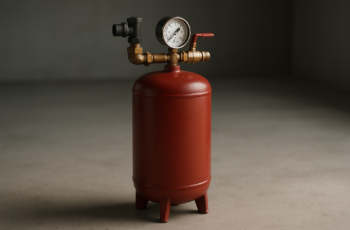
Have you ever wondered what distinguishes a high pressure air compressor from standard models? These units are engineered to generate considerably higher pressures, enabling applications that demand intense airflow. They operate using a robust compression mechanism, typically involving a piston or rotary screw, to compress air to levels exceeding 3000 psi. While powerful, high pressure compressors often produce increased air compressor noise, which can be mitigated through sound-dampening features. Additionally, portable designs are increasingly common, allowing for mobility without sacrificing performance. These portable models incorporate compact frames and integrated handles or wheels, making them suitable for on-site or remote operations. Overall, high pressure air compressors combine advanced compression technology with design considerations that address noise and portability, ensuring versatility across various industrial and maintenance tasks.
Key Features to Consider When Choosing a High Pressure Air Compressor
When selecting a high pressure air compressor, we focus on pressure capacity and range to guarantee it meets our operational demands. Durability and build quality are critical to withstand continuous use and harsh environments. Understanding these key features helps us choose the most reliable and efficient equipment for our needs.
Pressure Capacity and Range
What exactly determines a high pressure air compressor’s suitability for your applications? It’s primarily about pressure limits and range versatility. Selecting a compressor with appropriate pressure capacity guarantees it can handle your specific tasks without faltering. A narrow range may restrict productivity, while a broader range offers flexibility across diverse applications. Understanding the table below helps clarify these key factors:
| Application Type | Required Pressure Limits | Range Versatility Benefits |
|---|---|---|
| Industrial Manufacturing | Up to 4500 psi | Handles multiple tools efficiently |
| Automotive Repair | 3000-4000 psi | Supports various spray guns |
| Laboratory Use | 1000-3000 psi | Precise control for experiments |
| DIY/Home Projects | 150-200 psi | Adequate for small-scale tasks |
Choosing the right pressure capacity guarantees peak performance and safety.
Durability and Build Quality
Selecting a high pressure air compressor that withstands demanding conditions hinges on its durability and build quality. Material selection is critical; components must be constructed from robust, high-quality materials, such as cast iron or stainless steel, which provide strength and longevity. Corrosion resistance is equally essential, especially in environments with moisture or corrosive elements, ensuring the compressor maintains performance over time. A well-built compressor features precision engineering with reinforced welds and durable fittings, reducing risk of failure under continuous use. High-quality seals and corrosion-resistant coatings further enhance longevity. Ultimately, investing in a compressor with superior durability and build quality minimizes downtime, lowers maintenance costs, and guarantees reliable operation in intensive applications.
Different Types of High Pressure Air Compressors Explained
Have you ever wondered about the different types of high pressure air compressors and how they serve various industrial needs? Understanding these types is vital for selecting the right equipment. Reciprocating compressors utilize piston chambers, often relying on oil lubrication for efficient operation and managing heat, but they can generate higher noise levels. Rotary screw compressors offer continuous operation with lower noise levels, making them suitable for long-term use. Centrifugal compressors are ideal for high-volume applications, featuring minimal maintenance and consistent performance. Each type balances factors like oil lubrication requirements, noise levels, and operational complexity, aligning with specific industrial demands. Recognizing these distinctions helps guarantee optimal performance and longevity of your high pressure air compressor investment.
How to Evaluate Performance Ratings and Specifications
To accurately assess high pressure air compressor performance, we focus on understanding CFM and PSI specifications, which directly impact operational capacity. We also evaluate duty cycle ratings to determine how long the compressor can run continuously without overheating or damage. Mastering these key points guarantees informed decisions aligned with specific application requirements.
Understanding CFM and PSI
Understanding CFM (cubic feet per minute) and PSI (pounds per square inch) is crucial for evaluating high-pressure air compressors accurately. These metrics directly impact airflow enhancement, power delivery, and noise reduction. Higher CFM indicates greater airflow capacity, essential for continuous operation and efficiency. PSI reflects the pressure level, determining the compressor’s ability to handle specific tools and applications. When analyzing performance ratings, consider the balance between CFM and PSI to meet your workload demands without unnecessary energy consumption. Properly rated units minimize noise and vibration, contributing to quieter operation.
- Confirm CFM matches your tool requirements for optimal airflow.
- Check PSI ratings align with your pressure needs.
- Look for compressors with balanced specifications for noise reduction.
- Understand how these ratings influence overall performance and efficiency.
Interpreting Duty Cycle Ratings
Interpreting duty cycle ratings is essential for evaluating a compressor’s ability to sustain continuous operation under load. Duty cycle indicates the percentage of time a compressor can operate within a specific period without overheating or compromising air quality. A higher duty cycle suggests better reliability for prolonged use, but it also often correlates with increased noise levels. When examining ratings, consider how the duty cycle impacts air quality, especially if the compressor will run continuously, as inadequate cooling can degrade air purity. Additionally, understanding duty cycle helps determine if the compressor can handle peak demands without excessive downtime. Proper interpretation ensures you select a model that balances performance, noise levels, and air quality, aligning with your operational needs and ensuring consistent, safe airflow.
Tips for Maintaining and Operating Your High Pressure Air Compressor
Regular maintenance and proper operation are essential to guarantee your high pressure air compressor functions efficiently and safely. Adhering to structured maintenance routines minimizes downtime and extends equipment lifespan. Consistent inspection of hoses, valves, and pressure gauges ensures peak performance and early detection of wear or leaks. Implement safety precautions such as wearing protective gear, securing the compressor during operation, and following manufacturer guidelines to prevent accidents. Proper lubrication of moving parts reduces friction and heat buildup, maintaining efficiency. Regularly drain moisture from the tank to prevent corrosion. Additionally, ensure electrical connections are secure and free of corrosion. These practices promote reliable operation, uphold safety standards, and maximize the compressor’s longevity. Prioritizing maintenance routines and safety precautions is crucial for superior high-pressure compressor performance.
Common Mistakes to Avoid When Buying and Using High Pressure Air Compressors
Choosing the wrong high-pressure air compressor can lead to costly inefficiencies and safety hazards, so it’s essential to avoid common mistakes during purchase and use. Selecting an undersized model causes frequent downtime, while oversizing inflates initial costs without added benefits. Ignoring safety features increases risk of accidents, and neglecting cost considerations can strain budgets.
| Mistake | Consequence |
|---|---|
| Ignoring capacity needs | Equipment failure, safety hazards |
| Overlooking safety features | Increased risk of injury |
| Focusing solely on initial cost | Higher long-term operational costs |
| Neglecting maintenance | Reduced efficiency, safety issues |
| Not consulting specifications | Mismatched performance |
Frequently Asked Questions
What Safety Precautions Should I Follow When Using a High Pressure Air Compressor?
We prioritize safety by always wearing appropriate safety gear, regularly performing maintenance tips to guarantee reliable operation, and following manufacturer instructions strictly. Never bypass safety features, check for leaks, and operate in well-ventilated areas to prevent accidents.
How Loud Are High Pressure Air Compressors During Operation?
High pressure air compressors typically produce noise levels between 80 to 100 decibels during operation. We recommend wearing hearing protection, as prolonged exposure to these noise levels can cause hearing damage.
Can I Use a High Pressure Air Compressor for Painting or Spray Applications?
Yes, you can use a high-pressure air compressor for paint spray and airbrush applications; guarantee it maintains steady pressure and appropriate airflow. Properly equipped, it delivers precise, consistent results essential for professional paint and spray tasks.
What Are the Typical Lifespan and Warranty Options for These Compressors?
Typically, high-pressure air compressors last 10-15 years with proper maintenance schedules, ensuring peak energy efficiency. Warranty options vary, but we recommend extended coverage for major components, reducing long-term costs and maintaining peak performance.
Are There Portable High Pressure Air Compressors Suitable for Outdoor Use?
Yes, there are portable options designed for outdoor use, offering durability and reliable high-pressure performance. These compressors are built tough, withstand weather conditions, and are ideal for outdoor tasks like inflating tires or powering tools.
Conclusion
Choosing the right high pressure air compressor is like fine-tuning a precision instrument, requiring careful attention to detail and understanding. By evaluating features, performance ratings, and maintenance needs, we can guarantee your investment performs reliably and efficiently, standing strong like a sturdy bridge over turbulent waters. With knowledge and proper care, your compressor becomes a steadfast partner, empowering your operations with unwavering power and safety—transforming challenges into seamless, high-performance results.