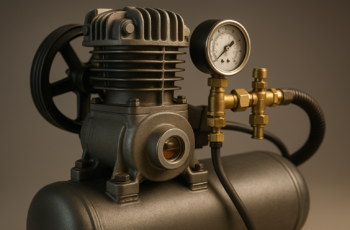
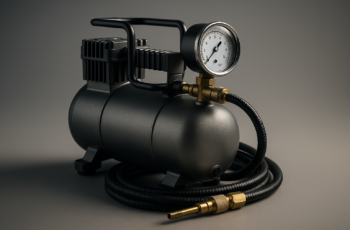
The choices in portable air compressor tanks are more complex than most realize, with options that can substantially impact performance, safety, and cost. From lightweight aluminum to rugged steel and versatile composites, each material offers distinct advantages and drawbacks that must be carefully evaluated against your specific application. Understanding these differences is essential to making an informed decision that balances portability, durability, and budget constraints. Let’s explore how to navigate this landscape effectively.
Key Takeaways
- Material choice (aluminum, steel, composite) affects weight, durability, and portability.
- Tank size (small for portability, large for continuous use) should match workload demands.
- Key features include pressure stability, noise levels, portability, and safety components.
- Use case and budget influence durability, material, and additional features selection.
- Regular maintenance and safety checks ensure reliable operation and extend tank lifespan.
What Are the Main Types of Portable Air Compressor Tanks?
Understanding the main types of portable air compressor tanks is essential for selecting the right equipment for specific tasks. The tank materials markedly influence durability, weight, and safety; common options include aluminum, steel, and composite materials. Aluminum tanks are lightweight and resistant to corrosion, ideal for portability considerations, but often come at a higher cost. Steel tanks are robust and cost-effective, providing strength for demanding applications, though they tend to be heavier, impacting portability. Composite tanks combine lightweight properties with durability, offering a balance suited to frequent transport. Recognizing these distinctions helps us evaluate the trade-offs between tank materials and portability considerations, ensuring we choose a tank that aligns with operational needs, whether prioritizing ease of movement or durability for tough environments.
How to Choose the Right Size for Your Needs
Choosing the correct size for your portable air compressor tank hinges on evaluating your specific operational requirements and workload demands. Tank capacity directly impacts the compressor’s ability to sustain airflow during extended use, so selecting an appropriate volume guarantees efficiency. For tasks requiring continuous operation or higher air demand, larger tanks—ranging from 6 to 20 gallons—provide better performance. Conversely, smaller tanks enhance portability, making them ideal for light-duty tasks or frequent transport. Portability considerations influence tank size choices; larger tanks increase weight and reduce ease of movement, while smaller tanks maximize mobility but may necessitate more frequent compressor cycling. Analyzing your workload patterns alongside transport needs helps determine the most suitable balance between tank capacity and portability, ensuring reliable operation without sacrificing maneuverability.
Key Features to Look for in Portable Compressor Tanks
When selecting a portable compressor tank, focusing on key features that influence performance, durability, and usability is vital. Essential attributes include maintaining ideal air pressure stability and managing noise levels for efficient operation. Reliable air pressure ensures consistent tool performance, while lower noise levels enhance usability in various environments. Durability depends on robust construction materials and corrosion resistance, extending lifespan. Additionally, portability features like weight and handle design impact ease of transport.
| Feature | Importance |
|---|---|
| Air Pressure Stability | Ensures consistent tool operation and safety |
| Noise Levels | Reduces operator fatigue and environmental disturbance |
| Construction Material | Affects durability and corrosion resistance |
| Portability Features | Enhances ease of transportation and storage |
Comparing Portable Tank Options by Use Case and Budget
Selecting the right portable air compressor tank depends heavily on specific use cases and budget constraints, as these factors directly influence the ideal features and overall value. For demanding applications, prioritize portable tank durability, guaranteeing the tank withstands frequent transport and rough conditions. Budget-conscious options often compromise on durability but can still offer essential performance. Noise reduction features are critical in environments requiring low sound levels, such as indoor or residential settings, and may justify higher costs. When comparing options, consider whether the tank’s construction materials, insulation, and design enhance durability and noise control. Ultimately, aligning the tank’s robustness and noise reduction capabilities with your operational needs and financial limits assures optimal performance and longevity.
Tips for Maintaining and Using Your Portable Air Tank Safely
Proper maintenance and safe operation of your portable air tank are essential to guarantee its longevity and prevent accidents. Adhering to safety precautions and maintenance tips guarantees reliable performance.
- Regularly inspect the tank for corrosion, leaks, or damage, addressing issues immediately to prevent failure.
- Always release pressure completely before performing maintenance or storage, reducing risk of sudden discharge.
- Keep valves and safety relief devices clean and functional to prevent over-pressurization.
- Follow manufacturer guidelines for pressure limits and scheduled inspections, maintaining compliance with safety standards.
Frequently Asked Questions
How Long Can a Portable Air Compressor Tank Operate Before Needing to Be Refilled?
We find that a portable air compressor tank typically operates for about 15 to 30 minutes before needing a refill, depending on tank capacity and the refill frequency required by the specific compressor’s power output and usage demands.
Are Portable Air Compressor Tanks Compatible With All Air Tools?
We find that portable air compressor tanks aren’t universally compatible with all air tools; tool compatibility varies by pressure and volume. Safety considerations are essential, so always verify tool specifications against your compressor’s output before use.
What Are the Best Materials for Portable Air Compressor Tanks for Durability?
When it comes to durability, we believe choosing materials with high material strength and corrosion resistance is vital; stainless steel and aluminum stand out, providing longevity and resilience, ensuring your compressor tank withstands tough conditions without losing integrity.
How Loud Are Portable Air Compressor Tanks During Operation?
We find portable air compressor tanks typically produce moderate noise levels, often around 70-90 decibels, but sound insulation and vibration dampening considerably reduce operational noise, making them more manageable in various work environments.
Can Portable Air Compressor Tanks Be Used for Outdoor or Rugged Environments?
We believe portable air compressor tanks are suitable for outdoor or rugged environments due to their weather resistance and shock absorption features, which protect internal components and guarantee reliable operation despite harsh conditions.
Conclusion
Choosing the right portable air compressor tank is like selecting the perfect tool for a complex project; each option offers unique advantages suited to specific needs. Just as a craftsman evaluates materials for durability and weight, we assess tank types based on workload, portability, and environmental factors. Making an informed decision guarantees safety, efficiency, and longevity—transforming a simple purchase into a strategic investment that powers your work with precision and confidence.