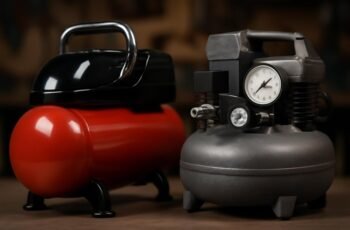
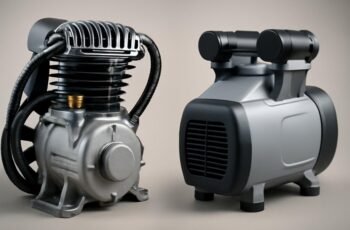
Choosing between electric and gas-powered air compressors is akin to navigating a complex crossroads, where each route offers distinct advantages and trade-offs. We understand that reliability, mobility, and environmental impact are key factors in this decision, yet the nuances can be subtle and demanding of careful consideration. As we examine their operational principles and practical implications, we invite you to explore which option aligns best with your specific needs and constraints.
Key Takeaways
- Electric compressors are more reliable, energy-efficient, and quieter, ideal for indoor or sensitive environments.
- Gas-powered compressors offer greater portability and are suitable for remote or outdoor locations without electrical access.
- Electric models have lower maintenance costs due to fewer moving parts and quicker startup times.
- Gas units produce higher emissions, noise, and require more maintenance, making them less eco-friendly and suitable for rugged conditions.
- Cost considerations include higher initial investment for electric units but lower operational costs, versus potentially lower upfront costs for gas models.
How Do Electric and Gas-Powered Compressors Work?
Electric and gas-powered air compressors operate through distinct mechanisms that influence their performance and application. Electric compressors use an electric motor to drive a piston or rotary screw, with settings adjustable for pressure and flow rate, making them suitable for consistent, controlled tasks. Gas-powered models rely on internal combustion engines, which generate power through fuel combustion, offering greater mobility but typically at higher cost factors due to fuel and maintenance needs. The choice of compressor depends heavily on these factors: electric units excel in settings with stable power sources and lower operational costs, while gas models are better suited for remote locations where power access is limited. Understanding these mechanisms helps in selecting the appropriate compressor based on performance requirements and budget considerations.
What Are the Main Advantages of Electric Air Compressors?
What makes electric air compressors a preferred choice in many applications? Their reliance on electric motors offers enhanced reliability and efficiency compared to gas engines, resulting in consistent performance. Electric compressors typically feature lower maintenance costs due to fewer moving parts and simpler design, reducing downtime. They also have reduced noise levels, making them suitable for sensitive environments. The quick startup time allows for immediate operation, increasing productivity. Additionally, electric compressors are more energy-efficient, consuming less power for the same output, which minimizes operational costs. Their lack of emissions impact makes them environmentally friendly, especially in enclosed or indoor settings. Overall, these advantages make electric air compressors a practical, sustainable, and dependable solution across various industries.
Why Choose a Gas-Powered Air Compressor?
While electric air compressors excel in controlled environments and applications requiring low noise and minimal maintenance, there are scenarios where gas-powered units offer distinct advantages. Gas compressors are highly portable and operate independently of electrical sources, making them ideal for remote or outdoor tasks. They often provide greater operational flexibility, especially in locations lacking reliable power infrastructure. Additionally, gas-powered units tend to have efficient maintenance cycles tailored for rugged conditions, reducing downtime. When considering cost implications, although initial investment may be higher, ongoing expenses can be lower due to fewer electrical requirements and the ability to service them in the field. These factors make gas-powered compressors a strategic choice in demanding, off-grid, or emergency applications where mobility and reliability outweigh initial costs.
Which Factors Should You Consider When Choosing Between Them?
When deciding between electric and gas-powered air compressors, understanding the key factors that influence performance and suitability is essential. Cost efficiency is a primary consideration, encompassing both initial investment and operational expenses. Electric compressors typically have lower energy costs and fewer parts subject to wear, leading to reduced long-term expenses. Maintenance scheduling is another critical factor; electric units generally require less frequent maintenance due to fewer moving parts and simpler designs. Conversely, gas-powered compressors might incur higher maintenance costs due to engine upkeep but offer greater mobility and independence from power sources. Evaluating these factors against your operational environment—such as power availability, usage frequency, and budget constraints—ensures an informed choice that optimizes performance and overall cost-effectiveness.
Are There Any Limitations or Downsides to Each Type?
Are there inherent limitations that could impact the effectiveness of electric and gas-powered air compressors? Yes, both types have specific limitations and downsides that influence their suitability for different applications. Electric compressors often face limitations related to power supply dependency, restricting their mobility and use in remote locations. They typically have lower maximum power outputs, which can limit capacity for heavy-duty tasks. Gas-powered compressors, while offering greater portability, present downsides such as higher emissions, noise levels, and maintenance requirements. Additionally, fuel costs and the potential for engine wear can affect long-term efficiency. Understanding these limitations helps in selecting the appropriate compressor for specific needs, ensuring optimal performance and minimizing operational issues related to each type’s inherent constraints.
Frequently Asked Questions
How Loud Are Electric Versus Gas-Powered Air Compressors During Operation?
Electric compressors generally produce less electric noise, making them quieter during operation, while gas-powered models generate more noise due to engine operation. Fuel availability is essential for gas units, but electric compressors excel in quieter, more consistent performance.
What Are the Typical Maintenance Requirements for Each Type?
Ever wondered about maintenance? Both require a regular maintenance schedule, inspecting components for wear, replacing filters, and checking belts. Gas models demand more frequent oil changes and spark plug checks, unlike electric counterparts focused on electrical components.
Which Compressor Type Is More Energy-Efficient Long-Term?
We believe electric compressors are more energy-efficient long-term due to higher electric efficiency, while gas compressors offer greater durability in demanding environments, but often at the expense of increased fuel consumption and operational costs over time.
Are Electric Compressors Suitable for Outdoor Heavy-Duty Use?
Electric compressors can handle outdoor heavy-duty use, but we must consider outdoor safety and noise mitigation. They’re suitable if protected from elements and noise is managed, ensuring efficient operation without compromising safety or performance.
How Do Initial Purchase Costs Compare Between Electric and Gas Models?
We find electric compressors generally have a lower initial cost due to affordable electric components, while gas models often cost more upfront but offer greater durability, making the decision dependent on specific usage needs and long-term investment considerations.
Conclusion
In weighing electric versus gas-powered air compressors, we see clear trade-offs in performance, mobility, and maintenance. Our decision ultimately depends on your specific needs—are you prioritizing quiet, efficient operation near power sources, or do rugged, remote conditions take precedence? By carefully analyzing your application requirements and environmental factors, we can select the most suitable compressor. Isn’t optimizing operational efficiency and reliability worth a detailed comparison?