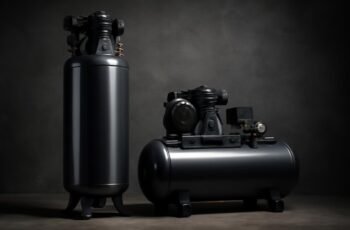
Imagine a rugged construction site where the hum of a gas-powered compressor echoes across the terrain, versus a quiet workshop filled with electric models. These scenes highlight the fundamental differences in power, portability, and application. As we examine these options, it becomes clear that understanding their performance characteristics and suitability for specific tasks is essential. The choice isn’t straightforward, and the decision hinges on factors that can considerably impact efficiency and cost—factors worth exploring in detail.
Key Takeaways
- Gas-powered compressors deliver higher power output and portability for outdoor or remote applications.
- Electric compressors operate quietly, with lower emissions, ideal for indoor or urban environments.
- Gas units are better suited for continuous, heavy-duty tasks without reliance on electrical outlets.
- Electric models are generally more compact, lightweight, and easier to maintain for shorter or intermittent use.
- Operational context, mobility needs, and environmental conditions guide the choice between gas and electric compressors.
How Do Gas-Powered and Electric Air Compressors Differ in Power and Performance?
How do gas-powered and electric air compressors compare when it comes to power and performance? Gas engines typically deliver higher power output, making them suitable for heavy-duty applications. Their design relies on internal combustion, which requires oil lubrication to maintain optimal operation and prevent engine wear. This oil lubrication allows gas engines to sustain prolonged, high-demand use, but it also introduces maintenance complexity. Electric compressors, on the other hand, provide consistent, immediate power without the need for fuel or lubrication, resulting in smoother operation and less downtime. While electric models excel in efficiency and ease of use for moderate tasks, gas engines excel in portability and sustained high performance in remote or demanding environments. Ultimately, the choice hinges on specific power needs and operational conditions.
What Are the Key Advantages of Gas-Powered Air Compressors?
Gas-powered air compressors offer significant advantages in portability and mobility, making them ideal for remote or field applications where access to power sources is limited. They also provide higher power output, enabling more demanding tasks without sacrificing performance. Additionally, their independence from electrical outlets allows continuous operation regardless of location, enhancing operational flexibility.
Portability and Mobility
The portability and mobility of gas-powered air compressors stand out as their primary advantages, especially in environments where power sources are absent or unreliable. Their design allows for easy transport across rugged terrain, making them ideal for remote construction sites or outdoor projects. Gasoline efficiency ensures prolonged operation without frequent refueling, enhancing operational continuity. Additionally, engine durability contributes to consistent performance over extended periods, reducing downtime and maintenance costs. Unlike electric models, they do not require external power connections, enabling greater flexibility in application placement. This combination of portability, fueled by efficient gasoline consumption and robust engine construction, makes gas-powered compressors indispensable in scenarios demanding high mobility and self-sufficiency.
Higher Power Output
Why do professionals often prefer gas-powered air compressors for demanding tasks? They deliver higher power output, essential for heavy-duty applications. Gas engines generate consistent, substantial airflow and pressure, enabling prolonged operation without concern for electric controls or power limits. This superior power scalability supports various tools requiring significant air volume. Gas optimization techniques enhance engine efficiency, ensuring maximum performance under load. The following table illustrates the key differences:
| Feature | Gas-Powered Compressor | Electric Compressor |
|---|---|---|
| Power Output | Higher, suitable for intensive tasks | Lower, limited by electric controls |
| Operating Flexibility | Independent of electrical supply | Requires power source |
| Efficiency & Control | Gas optimization improves continuous output | Electric controls regulate performance |
This higher power output makes gas compressors indispensable for demanding, remote, or prolonged operations.
Independence From Power Sources
How does the independence from electrical power sources benefit users of gas-powered air compressors? Primarily, it enables operation in remote or inaccessible locations without reliance on external power grids. This flexibility enhances project scope and reduces logistical constraints. From a technical perspective, gas efficiency is critical; optimized engine performance ensures prolonged operation and reduces fuel consumption, which is vital for efficiency. However, emission considerations must be addressed, as gas-powered units produce greenhouse gases, impacting environmental compliance. The ability to operate independently streamlines workflows in construction sites, mining, or agricultural settings, where electrical infrastructure is unavailable or impractical. Overall, this independence broadens application possibilities, but users must balance operational advantages with responsible emission management and fuel efficiency.
Why Choose Electric Air Compressors for Indoor and Quiet Applications?
Electric air compressors are ideal for indoor and quiet applications due to their substantially lower noise levels, which enhance user comfort and reduce disturbance. Their compact and lightweight design improves safety and ease of handling in confined spaces, minimizing setup and operational risks. These features make electric models a practical choice for environments where noise reduction and safety are paramount.
Noise Levels and Comfort
Have you considered how noise levels impact the suitability of an air compressor for indoor or sensitive environments? Electric compressors operate notably quieter than gas-powered models, reducing noise pollution and improving overall comfort. This is essential in settings where prolonged operation occurs, as lower noise levels minimize fatigue and disturbance. Unlike gas compressors, which depend on fuel duration—often leading to fluctuating noise levels—electric units maintain consistent, subdued operation. Additionally, electric compressors excel in fuel economy, eliminating the need for fuel storage and emissions, which further enhances indoor safety and comfort. The reduced noise output not only benefits user experience but also supports compliance with workplace regulations and noise ordinances, making electric models preferable for quiet, indoor applications.
Indoor Safety Benefits
The quieter operation of electric air compressors directly contributes to enhanced indoor safety by reducing airborne noise and vibrations that can cause discomfort or long-term health issues for users. Noise reduction minimizes the risk of hearing damage and decreases stress levels associated with high decibel environments. Additionally, lower vibration levels reduce the potential for mechanical failures and structural damage, promoting a safer workspace. These characteristics are particularly important in enclosed settings where noise pollution can impair concentration, communication, and overall safety awareness. Electric compressors’ ability to operate with minimal noise and vibration makes them superior choices for indoor applications, ensuring a safer environment for operators and bystanders. This focus on noise reduction directly supports improved indoor safety standards and healthier working conditions.
Compact and Lightweight Design
Why does size matter when choosing an air compressor for indoor or quiet environments? A compact design ensures the unit fits easily into confined spaces, enhancing safety and operational convenience. Electric air compressors typically feature lightweight construction, making them highly portable and simple to maneuver within tight areas. This portability reduces setup time and minimizes strain during transportation or repositioning. Additionally, a smaller footprint allows for better organization in workshops or workspaces, preventing clutter and promoting safety. The combination of a compact design and lightweight construction makes electric compressors ideal for indoor use, especially when noise reduction is essential. Overall, these features support efficient, unobtrusive operation, which is critical for maintaining a productive and safe environment.
Which Factors Should You Consider When Selecting Between Gas and Electric Models?
When choosing between gas and electric air compressors, it’s essential to evaluate several key factors that influence performance, efficiency, and practicality. Gas engines provide portability and high power output, making them suitable for remote or large-scale applications where electricity isn’t accessible. Electric motors, on the other hand, offer quieter operation, lower emissions, and simplified maintenance, ideal for indoor or stationary use. Consider the environment where the compressor will operate—gas engines excel outdoors, while electric models suit indoor environments. Power requirements and startup performance are also critical; gas engines generally deliver instant torque, whereas electric motors depend on voltage stability. Ultimately, evaluating the operational context, power needs, and environmental constraints will guide the optimal choice between gas-powered and electric models.
How Do Operating Costs and Maintenance Compare for Both Types?
How do operating costs and maintenance requirements compare between gas-powered and electric air compressors? Gas prices significantly influence operating expenses, with gas-powered models incurring higher fuel costs, especially in regions with volatile prices. Electric compressors, on the other hand, benefit from lower energy costs, making them more economical over time. Maintenance intervals also differ: gas-powered units generally require more frequent servicing due to engine components, such as spark plugs and filters, which need regular replacement. Electric compressors tend to have simpler mechanics, translating to reduced maintenance complexity and lower costs. Overall, electric models typically offer lower long-term operating and maintenance expenses, whereas gas-powered units may entail higher ongoing costs due to fuel consumption and more frequent maintenance needs.
What Are the Typical Use Cases for Gas-Powered vs. Electric Air Compressors?
Gas-powered and electric air compressors serve distinct application niches based on their design and operational characteristics. Gas powered units excel in remote or outdoor environments where power sources are unavailable, making them ideal for construction sites, farming operations, and roadside repairs. Conversely, electric powered compressors are suited for indoor or urban settings, where stable power supplies and quieter operation are essential.
Key use cases include:
- Gas-powered for heavy-duty, mobile tasks demanding high portability and independence.
- Electric powered for workshops, manufacturing, and maintenance tasks requiring consistent, low-noise operation.
- Both types serve specialized roles depending on project scope, location constraints, and power availability, emphasizing their respective strengths in different operational contexts.
Which Air Compressor Is Right for Your Needs: A Quick Decision Guide?
Choosing the right air compressor depends on evaluating your specific operational needs, environment, and available power sources. Gas engines are ideal for remote or outdoor applications due to their portability and independence from electrical outlets. They often incorporate oil lubrication, which enhances engine longevity and reduces wear, making them suitable for continuous, demanding use. Conversely, electric compressors excel in enclosed or indoor settings, offering quieter operation, lower emissions, and reduced maintenance. When comparing, consider that gas-powered units with oil lubrication typically deliver higher power output and better durability under heavy loads. For shorter, intermittent tasks, electric models may suffice, while continuous, rugged operations benefit from gas engines’ robustness. A precise assessment of workload, mobility requirements, and environmental constraints ensures optimal compressor selection.
Frequently Asked Questions
Are Gas or Electric Compressors More Environmentally Friendly?
We believe electric compressors are more environmentally friendly due to lower gas emissions and reduced maintenance frequency, which minimizes overall environmental impact. Gas models emit more pollutants and typically require more maintenance, increasing their ecological footprint.
How Long Do Gas and Electric Compressors Typically Last?
Like sturdy ships enduring rough seas, gas compressors typically sail through 8-15 years, thanks to gas durability, while electric ones, with their electric longevity, often coast smoothly for 10-20 years, depending on maintenance and usage.
What Safety Considerations Are Unique to Each Compressor Type?
We prioritize gas safety by ensuring proper ventilation to prevent carbon monoxide buildup, while electric safety involves avoiding electrical overloads and ensuring proper grounding. Both types demand rigorous adherence to safety protocols for optimal, hazard-free operation.
Can Gas-Powered Compressors Be Used Indoors Safely?
Gas-powered compressors shouldn’t be used indoors due to gas limits and inadequate indoor ventilation, which can lead to dangerous carbon monoxide buildup, posing serious health risks. Proper outdoor use ensures safety and compliance with ventilation standards.
Are There Differences in Portability Between Gas and Electric Models?
We find gas-powered compressors more portable due to their fuel efficiency and ability to operate independently, despite their louder noise levels, whereas electric models are generally less portable but quieter, making them ideal for indoor or controlled environments.
Conclusion
In choosing between gas and electric compressors, we’re reminded of the timeless debate between raw power and refined efficiency. Like a trusted steed or a sleek bicycle, each has its place depending on your needs. By understanding their strengths and limitations, we can make informed decisions—whether we’re venturing into remote wilderness or working quietly in a workshop. Ultimately, selecting the right compressor aligns with our goals, ensuring optimal performance and reliability in every task.