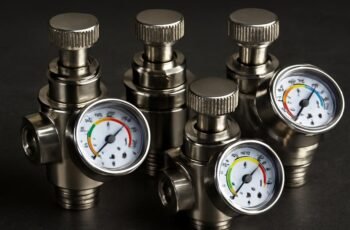
Reciprocating air compressors are critical components in many industrial processes, offering reliable high-pressure airflow. Ensuring their best performance requires meticulous maintenance, as even minor neglect can lead to significant downtime or costly repairs. By systematically following established procedures, we can extend the lifespan of these machines and maintain safety. Understanding the key maintenance steps and safety protocols is essential—let’s explore what it takes to keep your compressor operating efficiently over the long term.
Key Takeaways
- Perform regular inspections of valves, seals, and pistons for wear and damage, replacing components as needed.
- Change and clean compressor oil and filters according to manufacturer recommendations to ensure optimal performance.
- Check safety devices like relief valves, alarms, and emergency shutdowns to confirm proper operation before use.
- Monitor and maintain cooling systems to prevent overheating and ensure efficient thermal management.
- Follow safety protocols, including full depressurization, power disconnection, and safety gear during maintenance procedures.
Understanding the Role of a Reciprocating Air Compressor in Industry
Have you ever wondered how industries generate the compressed air necessary for various operations? Reciprocating air compressors play a crucial role by converting mechanical energy into compressed air through reciprocating motion. Proper compressor lubrication is essential to minimize friction, reduce wear, and guarantee efficient operation, especially during continuous duty cycles. Piston alignment is equally critical; misaligned pistons can cause uneven wear, leaks, and decreased efficiency. During operation, precise piston alignment maintains sealing integrity and optimizes compression, reducing energy consumption. Both lubrication and piston alignment are fundamental to maintaining compressor longevity and performance. Regular maintenance checks on these components prevent costly downtime, ensuring reliable compressed air supply for diverse industrial applications.
How to Inspect Your Compressor Before Each Use?
Before each use, we inspect the compressor for leaks around fittings and hoses to prevent pressure loss. We also verify the safety devices are functioning correctly and check the air filter for blockages or dirt buildup. These steps guarantee peak performance and safety during operation.
Check for Leaks
How can we guarantee our reciprocating air compressor operates safely and efficiently? The key is thorough leak detection during pre-use inspection. We start by visually inspecting all seals for signs of deterioration or damage, as compromised seals can lead to significant air loss. Next, we listen carefully for hissing sounds indicating leaks around fittings, valves, or piston rings. Using a soap solution on joints and connections can help identify small leaks through bubbling. Tighten loose fittings and replace damaged seals immediately. Consistent seal inspection ensures minimal air escape, maintains peak performance, and prevents undue strain on components. Regular leak checks are essential for reliable operation and extended compressor lifespan.
Inspect Safety Devices
Ensuring safety devices are functioning correctly is crucial for safe compressor operation, so we systematically inspect these components before each use. Adhering to safety protocols helps prevent accidents and ensures reliable performance. During inspection, we focus on:
- Confirming that pressure relief valves activate at designated setpoints to prevent over-pressurization.
- Testing emergency shutdown systems for proper response, ensuring rapid deactivation in critical situations.
- Verifying that safety switches and alarms are operational, alerting operators to abnormal conditions.
These steps guarantee that safety devices are ready to perform under fault conditions. Regular inspection minimizes risk, adheres to safety standards, and maintains compressor integrity. Properly functioning safety devices are essential for safe, efficient operation.
Examine Air Filter
Have you checked the air filter lately? Inspecting the air filter is essential before each use to guarantee ideal compressor performance. Remove the filter and examine it for dust accumulation, which can restrict airflow and reduce efficiency. A clean air filter maintains proper air intake and prevents contaminants from entering the compressor. If dust has accumulated greatly, replace or clean the filter according to manufacturer specifications. Pay close attention to any signs of damage or excessive dirt, as these indicate the need for immediate maintenance. Regular inspection of the air filter not only prolongs the compressor’s lifespan but also assures consistent operation and safety. Properly maintained filters are critical for preventing system failures caused by restricted airflow or debris ingress.
Essential Maintenance Tasks for Optimal Performance
What are the key tasks we must perform regularly to keep a reciprocating air compressor operating at peak efficiency? First, we must monitor and maintain air quality by inspecting and replacing filters to prevent contaminants that can impair performance. Second, we should perform routine lubrication checks to ensure smooth operation and minimize noise, which directly impacts noise reduction efforts. Third, inspecting and tightening all fasteners and connections helps prevent leaks and maintains best pressure levels. These tasks support consistent airflow, reduce wear, and extend compressor lifespan. Regular maintenance of air quality and noise reduction measures ensures the compressor runs efficiently, minimizes energy consumption, and complies with safety standards. Staying proactive in these areas guarantees reliable operation and prime performance over time.
Troubleshooting Common Reciprocating Compressor Issues
Identifying issues such as unusual noises, excessive vibration, and overheating is essential for maintaining compressor reliability. We must systematically analyze these symptoms to determine root causes, whether they stem from mechanical wear, misalignment, or lubrication problems. Addressing these issues promptly prevents equipment failures and extends operational lifespan.
Detecting Unusual Noises
How can we effectively recognize unusual noises in a reciprocating air compressor? Noisy operation often indicates underlying issues such as worn components or misalignment. To detect early signs, listen carefully for irregular sounds.
Key indicators include:
- Knocking or pounding sounds, which suggest piston or connecting rod problems.
- Screeching or squealing noises, often linked to bearing failure or lubrication issues.
- Rattling or banging sounds, indicative of loose parts or abnormal vibrations affecting compressor stability.
Monitoring these noises allows us to identify potential faults before they escalate. Recognizing these signals is essential for maintaining optimal compressor performance and preventing costly repairs. Prompt attention to unusual sounds ensures smooth, efficient, and safe operation.
Addressing Excessive Vibration
Excessive vibration in a reciprocating air compressor often signals mechanical imbalances or component misalignments that require prompt attention. We perform vibration analysis to identify the root causes and determine whether imbalance or misalignment exists. Applying balancing techniques ensures the compressor’s components are correctly aligned, reducing harmful oscillations.
| Cause | Solution |
|---|---|
| Unbalanced rotor | Dynamic balancing procedures |
| Misaligned parts | Precise alignment adjustments |
| Worn or loose parts | Tightening or replacing parts |
Addressing vibration issues through systematic vibration analysis enables us to pinpoint underlying problems. Implementing proper balancing techniques restores smooth operation, minimizes wear, and prolongs equipment lifespan.
Preventing Overheating Issues
Overheating in reciprocating air compressors can lead to equipment failure and costly downtime if not addressed promptly. Effective temperature regulation relies on a well-maintained cooling system to dissipate heat generated during compression. To prevent overheating, we recommend:
- Regularly inspecting and cleaning the cooling system to ensure unobstructed airflow and proper heat exchange.
- Monitoring operating temperatures with integrated sensors to detect early signs of thermal stress.
- Adjusting load and operational parameters to prevent excessive heat buildup, especially during high-demand periods.
Maintaining ideal cooling system performance and vigilant temperature regulation are critical for reliable compressor operation. Implementing these measures helps ensure the compressor remains within safe temperature limits, reducing the risk of overheating-related failures.
How to Change and Clean Compressor Oil Effectively?
Regularly changing and cleaning the compressor oil is essential for maintaining ideal compressor performance and extending its lifespan. To do this effectively, we first drain the used oil completely, guaranteeing removal of any contaminants or debris. When selecting new oil, consider the oil viscosity recommended by the manufacturer, as incorrect viscosity can impair lubrication and heat dissipation. During oil replacement, inspect and replace the oil filter to maintain filter efficiency, preventing dirt and particles from circulating within the system. Regular oil analysis can help identify contamination levels, guiding timely oil changes. Proper cleaning of the oil reservoir and ensuring all components are dry before refilling ensures maximum lubrication, reduces wear, and maintains compressor reliability over time.
Replacing and Maintaining Compressor Valves and Seals
Maintaining peak compressor performance requires diligent replacement and inspection of valves and seals, as these components are critical for ensuring proper airflow and preventing leaks. Regular valve adjustment ensures optimal compression efficiency, reducing energy consumption. Seal replacement prevents air leakage, maintaining system pressure and efficiency. To effectively manage this process:
- Inspect valves and seals for wear or damage during routine maintenance.
- Perform valve adjustment to maintain proper clearance and compression ratio.
- Replace seals promptly when signs of deterioration or leaks appear.
This systematic approach guarantees airtight seals and precise valve operation, essential for the compressor’s longevity and performance. Proper attention to valve and seal maintenance minimizes downtime, improves airflow, and sustains operational efficiency over the compressor’s service life.
When and How to Perform Air Filter Replacement?
To guarantee peak compressor performance, we must replace the air filter at appropriate intervals based on operating conditions. Selecting the correct air filter involves considering factors such as dust levels, humidity, and usage frequency to maintain air quality and system efficiency. The filter replacement frequency depends on these conditions; typically, filters should be inspected every 250-500 hours of operation or monthly in dusty environments. Signs of a clogged filter include reduced airflow, increased pressure drop, and elevated energy consumption. When replacing, use the recommended air filter for your compressor model, ensuring proper fit and sealing. Remove the old filter carefully to avoid debris contamination, then install the new filter securely to preserve proper airflow and prevent dirt ingress.
Extending Your Compressor’s Lifespan With Regular Inspection and Care
By conducting consistent inspections and performing targeted maintenance, we can substantially extend the lifespan of your reciprocating air compressor. Regular checks guarantee ideal operation and early detection of issues. Key actions include:
- Lubrication techniques: Regularly verify oil levels and quality, applying appropriate lubricants to reduce wear and prevent overheating.
- Compressor calibration: Routinely calibrate pressure settings and control systems to maintain accurate performance and prevent undue stress on internal components.
- Component inspection: Examine valves, pistons, and cylinders for signs of wear or damage, replacing parts as needed to avoid costly failures.
These practices help sustain efficiency, minimize downtime, and prolong equipment life by maintaining precise operational parameters and ensuring all moving parts are well-lubricated and calibrated for peak performance.
Safety Tips for Maintaining and Servicing Reciprocating Air Compressors
Ensuring safety during the maintenance and servicing of reciprocating air compressors is essential to prevent accidents and equipment damage. We recommend always wearing appropriate safety gear, including gloves, eye protection, and hearing protection, to mitigate risks from moving parts and pressurized components. Before beginning work, verify that the compressor is fully depressurized and disconnected from power sources. Clearly outline emergency procedures, such as shutting off power and releasing pressure swiftly if an unexpected issue arises. Maintain a clean workspace to avoid slips or trips, and ensure all safety devices are functional before servicing. Adhering to these safety protocols minimizes hazards, safeguarding personnel and equipment during maintenance activities.
Frequently Asked Questions
What Are Signs of Compressor Overloading or Excessive Wear?
We notice signs like increased vibration patterns, unusual noises, and lubrication issues, indicating compressor overloading or excessive wear. These symptoms suggest components are under stress, requiring immediate inspection and maintenance to prevent further damage.
How Do Temperature Fluctuations Affect Compressor Performance?
Like a well-oiled machine, temperature fluctuations impact compressor performance by causing thermal expansion, which stresses components, and disrupts temperature regulation, leading to decreased efficiency, increased wear, and potential system failure if unaddressed promptly.
Can I Use Synthetic Oil in My Reciprocating Compressor?
Yes, you can use synthetic oil in your reciprocating compressor. Synthetic lubrication offers superior oil viscosity stability and thermal performance, reducing wear and extending compressor lifespan, making it an effective choice for maintaining ideal operational efficiency.
What Are the Environmental Considerations for Compressor Maintenance?
We prioritize using eco-friendly lubricants and adhere to waste disposal protocols to minimize environmental impact. Proper maintenance and responsible disposal reduce pollution, conserve resources, and guarantee compliance with environmental regulations, promoting sustainable compressor operation.
How Often Should I Schedule Professional Inspections?
We recommend scheduling professional inspections annually, aligning with lubrication schedules and safety protocols, to guarantee peak compressor performance, prevent failures, and comply with safety standards. Regular expert assessments help maintain efficiency and extend equipment lifespan.
Conclusion
By adhering to these maintenance practices, we guarantee our reciprocating air compressors operate efficiently and safely. For instance, in a manufacturing plant, routine inspections prevented a potential failure by catching worn seals early, avoiding costly downtime. Consistently checking oil levels and replacing filters can extend equipment lifespan and reduce operational costs. Regular, meticulous maintenance isn’t just recommended—it’s essential for sustaining peak performance and safety in industrial applications.