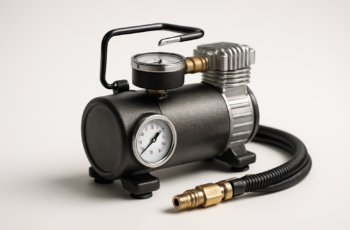
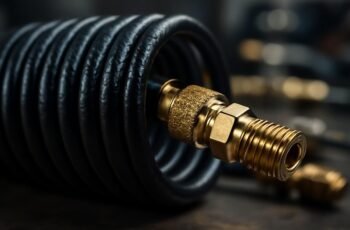
While it’s often overlooked, the role of inline air compressor filters is critical in maintaining the integrity of compressed air systems. Their ability to effectively remove moisture, oil aerosols, and particulates directly impacts equipment reliability and operational efficiency. Understanding how these filters function, along with proper selection and maintenance, is essential for optimizing performance and avoiding costly downtime. Exploring the nuances of their design and application can reveal insights that considerably enhance your system’s longevity.
Key Takeaways
- Inline air compressor filters remove oil, water, and particulates to protect downstream tools and improve equipment lifespan.
- They utilize physical and chemical filtration methods, like depth filters and activated carbon, to trap contaminants.
- Proper installation and regular maintenance ensure optimal filter performance and prevent contamination re-entry.
- Selecting filters based on media efficiency, cleaning methods, and compatibility balances cost and filtration quality.
- Correct installation orientation, pressure monitoring, and leak detection are essential for reliable operation and filter longevity.
What Are Inline Air Compressor Filters and Why Are They Important?
Have you ever considered how impurities in compressed air can affect the performance and longevity of your tools and equipment? Inline air compressor filters are essential components that remove contaminants like oil, water, and particulates, ensuring cleaner airflow. These filters help prevent damage, reduce maintenance costs, and improve operational efficiency. Despite their importance, budget constraints often influence purchasing decisions, making it crucial to select filters offering optimal performance at an affordable price. Additionally, incorporating effective filters into your marketing strategies can enhance your reputation by emphasizing quality and reliability. Understanding the role and necessity of inline filters allows you to make informed choices that balance cost with performance, ultimately protecting your investment and maintaining consistent, high-quality output in your operations.
How Do Inline Air Compressor Filters Work to Remove Contaminants?
Inline air compressor filters operate through a combination of physical and, in some cases, chemical processes designed to efficiently capture and remove contaminants from compressed air streams. The physical filtration involves mechanisms like depth filters, which trap particles, and membrane filters, which block larger debris. Chemical processes, such as adsorption or catalytic reactions, target oil vapors and odors. Proper cleaning protocols are essential to maintain filter performance and prevent contamination re-entry, directly impacting system efficiency. Additionally, understanding these mechanisms helps us address warranty considerations, as improper maintenance may void manufacturer guarantees. By effectively removing moisture, oil, and particulates, inline filters safeguard downstream equipment, ensuring reliable operation and minimizing costly repairs. This precise filtration process underscores the importance of selecting and maintaining filters to optimize compressor longevity.
Key Factors to Consider When Choosing Inline Air Compressor Filters
What are the critical considerations when selecting inline air compressor filters to ensure optimal system performance? First, cleaning methods are vital; filters must be designed for effective maintenance, enabling easy removal and thorough cleaning to prevent contamination buildup. The filter media’s efficiency directly impacts contaminant removal, influencing system longevity and air quality. Noise reduction is also essential, as some filters incorporate features to minimize operational sound levels, improving workplace comfort. Durability and compatibility with existing equipment are additional factors, ensuring the filter withstands operational pressures and fits seamlessly into the system. Ultimately, selecting filters that balance robust cleaning capabilities with noise mitigation ensures reliable performance, reduces downtime, and maintains high-quality compressed air output.
Types of Inline Air Compressor Filters and Their Applications
Understanding the different types of inline air compressor filters and their specific functions is essential for optimizing system performance. Each filter type is designed for targeted applications, such as removing moisture, particulates, or oil vapors, ensuring the compressed air meets quality requirements. By selecting the appropriate filter based on application needs, we can improve equipment longevity and air purity.
Filter Types and Functions
Have you ever wondered how different filter types optimize air quality in compressor systems? The key lies in the selection of filter media, which determines what contaminants are removed. Coalescing filters use fiber or membrane media to remove oil aerosols, while particulate filters employ pleated paper or synthetic media to trap dust and debris. Activated carbon filters target hydrocarbons and odors, utilizing specialized media for adsorption. Color coding plays a vital role in identifying filter functions quickly, with distinct colors indicating specific filtration stages. Each filter type is designed for particular contaminants, ensuring optimal system performance and air purity. By understanding the functions of these filter media and their color codes, we can select the appropriate inline filters for precise air quality control.
Application Specific Choices
When selecting inline air compressor filters, it’s essential to match each filter type to its specific application to guarantee peak performance and air purity. Different industries demand tailored solutions; for example, high-precision manufacturing requires ultra-fine filtration, while general pneumatic tools may suffice with coarser filters. Understanding these distinctions helps optimize sustainability practices by reducing waste and energy use through longer-lasting filters. Additionally, integrating application-specific choices into branding strategies emphasizes a manufacturer’s commitment to quality and environmental responsibility. Properly matched filters improve system efficiency, extend equipment lifespan, and support compliance with industry standards. Ultimately, choosing the right filter for each application ensures operational reliability while aligning with broader goals of sustainability and corporate reputation.
Installing and Maintaining Your Inline Air Compressor Filters for Optimal Performance
Proper installation of inline air compressor filters ensures they function effectively, requiring precise alignment and secure fittings. Regular maintenance, including filter replacement and system checks, crucial to prevent performance degradation. Addressing common issues promptly through troubleshooting maintains optimal filter efficiency and prolongs system lifespan.
Proper Installation Techniques
Correct installation of inline air compressor filters is essential for maintaining optimal system performance and ensuring the longevity of connected equipment. Adhering to sound design principles and staying aware of market trends ensures filters function effectively. Proper alignment within the airflow path minimizes pressure drops and prevents bypass issues, directly impacting filtration efficiency. It’s vital to select appropriate fittings and ensure secure connections to avoid leaks or dislodgement. Additionally, understanding the flow direction indicated on filters prevents improper installation. Regularly inspecting installation points aligns with evolving market trends emphasizing modularity and ease of maintenance.
- Confirm correct flow direction during installation
- Use compatible fittings to prevent leaks
- Ensure secure, airtight connections
- Follow manufacturer guidelines aligned with current market trends
Regular Maintenance Practices
How can consistent maintenance practices optimize the performance and lifespan of inline air compressor filters? Regular inline maintenance ensures filtration materials remain effective, preventing clogging and pressure drops. Routine inspection and timely replacement of filter elements are critical to maintaining optimal airflow and contaminant removal. Using appropriate filtration materials tailored to specific contaminants enhances filter efficiency and longevity. Implementing a schedule based on operational hours helps identify when cleaning or replacing filters is necessary. This proactive approach minimizes system downtime and reduces wear on the compressor.
| Maintenance Task | Purpose |
|---|---|
| Inspect filters regularly | Detect clogging or deterioration early |
| Replace filtration materials | Maintain filtration efficiency |
| Clean filter housing | Prevent buildup and contamination |
| Record maintenance activities | Track performance and schedule future care |
Troubleshooting Common Issues
What are the most common issues encountered when installing and maintaining inline air compressor filters, and how can they be effectively troubleshot? Often, problems stem from improper installation, pressure drops, or filter clogging. These issues can hinder performance and lead to equipment damage. To troubleshoot:
- Check for correct installation orientation to prevent unrelated topic malfunctions.
- Measure pressure differentials across the filter; significant drops indicate clogging.
- Inspect for leaks around fittings, which can cause airflow inconsistencies.
- Regularly replace or clean filters to prevent contamination buildup, avoiding random thought disruptions in airflow.
Addressing these issues requires precise diagnostics and adherence to manufacturer guidelines, ensuring optimal filter performance and longevity. Proper troubleshooting minimizes downtime and maintains consistent air quality, essential for system efficiency.
Troubleshooting Common Issues With Inline Air Compressor Filters
Have you ever wondered why your inline air compressor filter isn’t performing as expected? Common issues often stem from inadequate filter replacement or moisture buildup, which compromise filtration efficiency. When moisture isn’t effectively controlled, it can lead to clogging or corrosion within the filter media, reducing airflow and increasing pressure drop. Troubleshooting begins with inspecting the filter for visible contaminants, and if it appears dirty or clogged, prompt filter replacement is necessary. Additionally, persistent moisture issues may indicate that the moisture control system isn’t functioning correctly, leading to moisture accumulation in the filter. Addressing these problems requires a systematic approach: replace filters regularly based on manufacturer recommendations and ensure moisture control components are operational to prevent ongoing issues.
How to Extend the Lifespan of Your Inline Air Compressor Filters
Ever wondered why some inline air compressor filters last longer than others? The key lies in proper maintenance and understanding operational factors. Regularly inspecting filters prevents buildup that can resemble playful patterns, reducing efficiency. Using high-quality filters suited to your specific application, like those found in kitchen gadgets or industrial tools, enhances longevity. Contaminant pre-filtering—much like choosing durable kitchen gadgets—minimizes particle load. Proper pressure regulation prevents undue stress on the filter media, extending service life. Additionally, implementing a scheduled replacement plan based on usage frequency ensures optimal performance. These strategies collectively preserve filter integrity, reduce downtime, and improve air quality. By adopting a systematic approach, you maximize filter lifespan, ensuring your inline air compressor remains reliable for demanding tasks.
Frequently Asked Questions
Can Inline Filters Affect Overall Compressor Efficiency?
Inline filters can impact compressor efficiency by maintaining cleaner air, which enhances inline efficiency. Regular maintenance ensures safety and optimal performance, preventing clogging and pressure drops that compromise compressor operation.
Are There Specific Safety Precautions for Filter Maintenance?
We recommend a safety lockout and routine inspection during filter maintenance, like tightening bolts and replacing elements, to prevent accidents and ensure optimal performance. These precautions act as guardrails protecting both personnel and equipment.
How Often Should Filters Be Replaced in Different Environments?
We recommend inlined maintenance every 3 to 6 months, but filtration timing varies with environmental conditions. In harsher settings, like dusty or humid environments, more frequent filter replacements ensure ideal performance and prevent equipment damage.
Can Inline Filters Be Used With All Types of Air Compressors?
Inline filters are compatible with most air compressors, but compatibility considerations, efficiency impact, and environmental conditions matter. Regular maintenance, safety checks, signs of clogging, and appropriate replacement frequency ensure optimal performance and prevent damage across different compressor types.
What Are Signs Indicating a Filter Needs Immediate Replacement?
When filters become blocked or irrelevant, performance drops sharply, indicating immediate replacement is necessary. Watch for increased pressure, reduced airflow, or unusual noises—these signs reveal the filter’s compromised state, risking system efficiency and potential damage.
Conclusion
In the end, neglecting inline air compressor filters is like inviting chaos to your workshop—contaminants will happily wreck your tools and productivity. Regular maintenance and careful selection aren’t just technicalities; they’re the backbone of reliable compressed air systems. So, let’s avoid the costly surprises and keep our equipment running smoothly. After all, a clean filter today prevents a costly repair tomorrow—because who needs unnecessary headaches when precision and efficiency are on the line?