Have we ever wished our garage or workshop had a bit more professional punch without turning into a full industrial unit?

What Is the SIP Airmate Belt Drive Air Compressor?
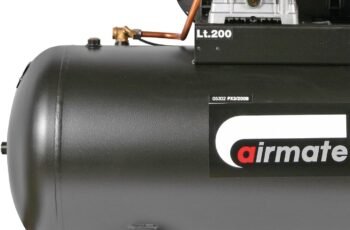
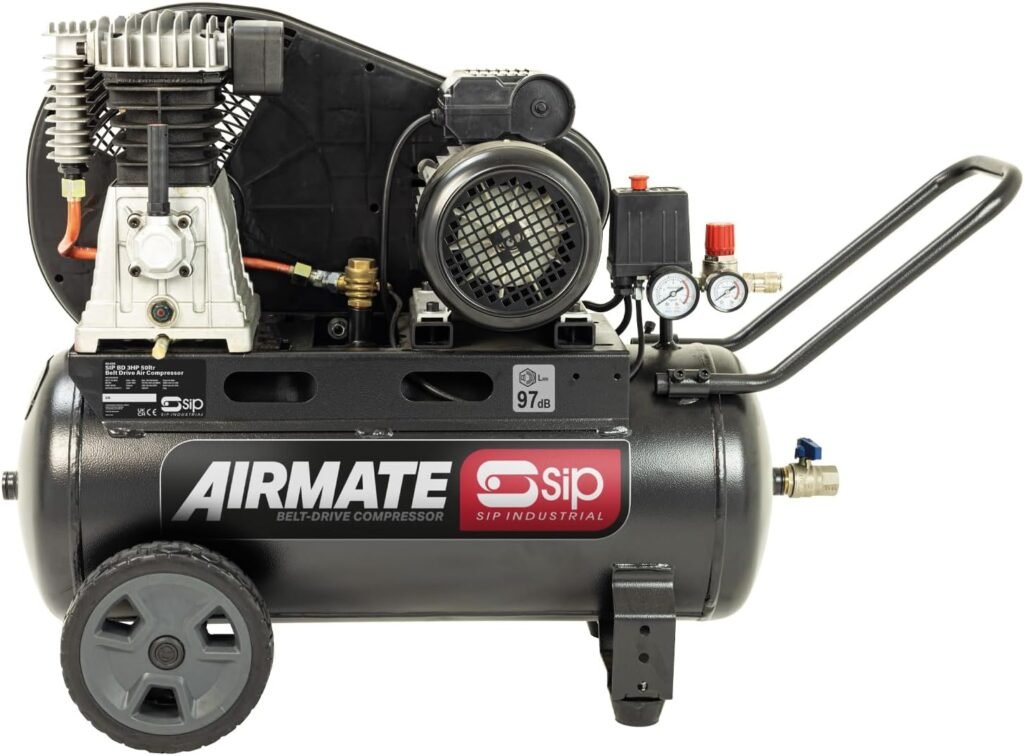
When we first look at the SIP Airmate Belt Drive Air Compressor, 230V 13A, 50L, 3hp / 2.2kW, 145psi / 10 Bar 14CFM 97dB, we can immediately tell it is designed for serious work. This is not a flimsy little gadget for inflating the occasional bicycle tyre; it is a full-bodied, heavy-duty compressor built with regular, demanding use in mind.
We are talking about a unit that comfortably lives in a garage or workshop but has the performance and durability to support trade and even light industrial tasks. It aims to bridge that space between home DIY and professional equipment, giving us power and reliability without overcomplicating things.
Key Specifications at a Glance
Before we get into how it feels to use, it helps to see the crucial figures in one place. These numbers tell us what kind of jobs this compressor can realistically handle and how it will fit into our workspace and electrical setup.
| Feature | Specification | What It Means for Us |
|---|---|---|
| Power Supply | 230V, 13A | Runs from a standard UK domestic socket (check our circuit first) |
| Motor Power | 3hp / 2.2kW | Strong enough for most workshop air tools |
| Tank Capacity | 50 litres | Good balance of capacity and footprint |
| Max Pressure | 145psi / 10 Bar | Handles most automotive and workshop tasks |
| Air Delivery (Approx.) | 14 CFM (cubic feet per minute) | Supports medium-demand tools and continuous use applications |
| Noise Level | 97dB | Loud: ear protection is recommended |
| Drive Type | Belt drive | Smoother, quieter than direct drive, better for longevity |
| Lubrication | Oil-lubricated | Higher efficiency, longer life, but needs regular maintenance |
| Typical Uses | Spray painting, air tools, inflating, cleaning, light industrial | Flexible across hobby and trade roles |
These specs place the SIP Airmate firmly in the “serious workshop” category. It gives us solid power, a decent tank, and robust build quality, without stepping into the enormous, three-phase territory that many homes and smaller workshops cannot accommodate.
Build Quality and Design
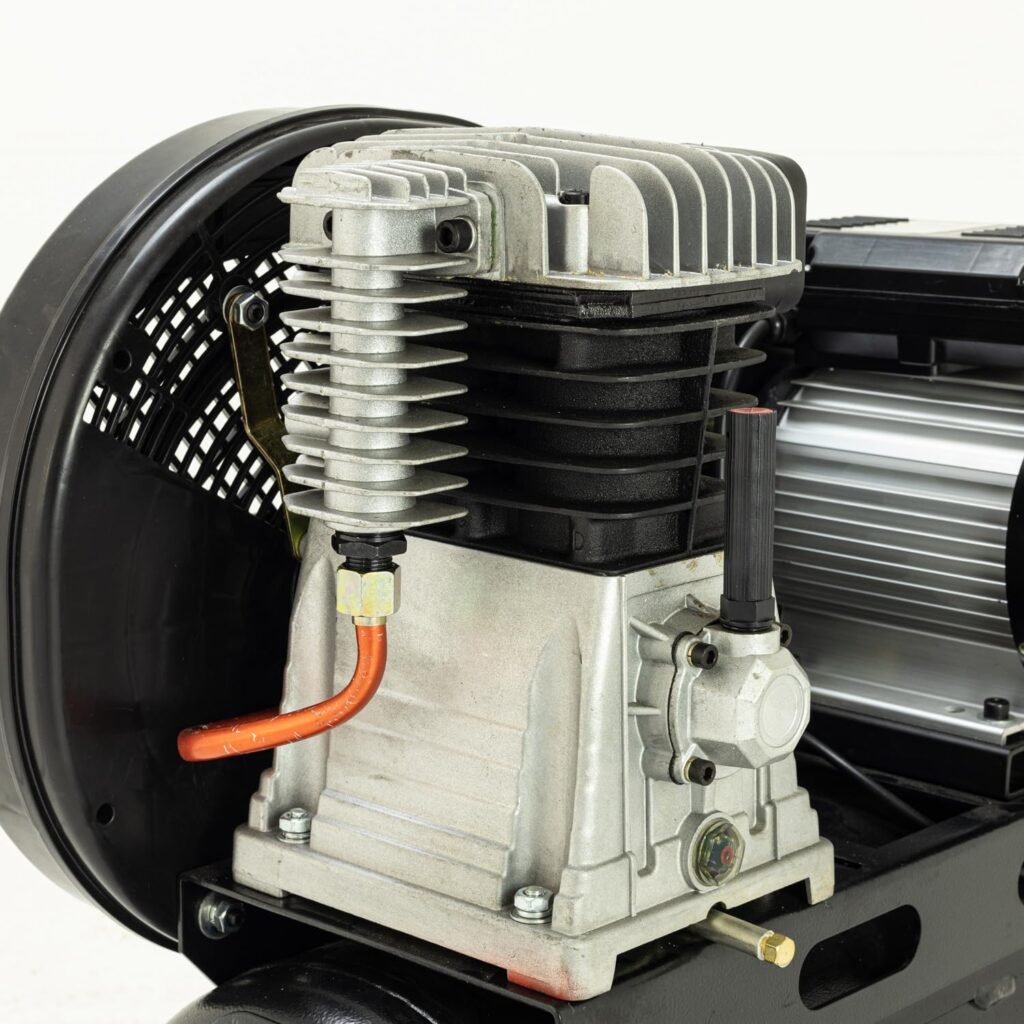
We can usually tell a lot about a compressor by its physical presence. The SIP Airmate looks and feels like a proper bit of kit—metal tank, sturdy frame, clear gauges, and a layout that makes sense when we are actually working around it.
The belt drive configuration means the motor drives the pump via a belt, rather than directly. This typically results in less vibration, smoother running, and better longevity compared with many direct drive models, especially when the compressor is used frequently or for longer sessions.
Motor Power: 3hp / 2.2kW in Real-World Use
On paper, 3hp / 2.2kW is a strong figure for a single-phase, 230V compressor. In real terms, this means we have more than enough grunt for typical workshop tasks: air ratchets, impact wrenches (within reason), nail guns, blow guns, and many medium-demand air tools.
We might still need to check each tool’s air consumption, but for most hobbyists, car enthusiasts, and small trade setups, this level of power feels impressive. It keeps the compressor from constantly struggling to catch up with demand, which is where cheaper or smaller models often become frustrating.
50-Litre Tank: Capacity vs Space
A 50-litre tank is a smart middle ground. It is big enough to give us a decent buffer of stored air so the motor is not turning on and off every few seconds, but not so huge that the unit becomes unmanageable in a typical garage.
For spray painting panels, running air tools intermittently, or inflating tyres and equipment, 50 litres feels comfortable. We still need to accept that continuous heavy use tools will cause the compressor to cycle regularly, but that is expected in this size class.
145psi / 10 Bar: Why Pressure Matters
With a maximum pressure of 145psi (10 bar), the SIP Airmate covers the vast majority of workshop requirements. Many air tools, including impact wrenches and spray guns, work happily between 90–120psi, so having capacity up to 145psi gives us a solid operating margin.
We are not just looking at the headline figure; we are benefiting from a pressure range that allows the compressor to store more energy in the tank. This helps maintain consistent performance as the pressure drops and the unit cycles.
Airflow and CFM: Supporting Our Tools
The quoted airflow of around 14CFM is a crucial figure. CFM (cubic feet per minute) is how much air volume the compressor can supply, and this directly affects which tools we can run effectively.
For typical domestic and light professional tasks, 14CFM is very capable. It supports:
- Spray guns for paint and varnish (within the tool’s specific CFM requirements)
- Air blow guns for cleaning parts and workspaces
- Many automotive tools such as impact wrenches, ratchets, and chisels
- Nail guns and staplers
- Tyre inflators and general inflating duties
We might still encounter certain high-demand tools (for example, sandblasters or some large professional spray guns) that outpace this capacity, but for 90% of workshop situations, we will feel well covered.

Noise Level: 97dB and What That Means for Us
At 97dB, the SIP Airmate is not a quiet machine. To put it into context, this is similar to the noise level of a motorcycle or a chainsaw at close range. This is very typical for an oil-lubricated belt drive compressor of this power class, but it still means we need to take hearing safety seriously.
We should plan to:
- Wear ear defenders or high-quality earplugs when working nearby, especially for longer periods
- Position the compressor slightly away from our main work area if possible
- Consider placing it against a solid wall or in a corner to reduce the perceived noise
Noise is one of the only areas where even good compressors feel a bit intrusive, and this one is no exception. The benefit, though, is that the belt drive usually makes the tone of the noise less harsh than some direct drive units.
Belt Drive vs Direct Drive: Why It Matters
Many budget compressors use direct drive, where the motor shaft connects directly to the pump. The SIP Airmate uses a belt drive system, which has several advantages for us over the long term.
With belt drive:
- The motor can run at a more efficient speed, while the pump runs at an optimized rate separately.
- There is often less mechanical stress and vibration on both motor and pump.
- The unit tends to last longer under frequent use, provided we maintain it properly.
We are effectively trading a little more complexity and cost for reliability and smooth operation. For users who expect to fire up their compressor often and for longer tasks, belt drive feels like the more professional and reassuring choice.
Oil-Lubricated Pump: Efficiency and Longevity
The SIP Airmate is an oil-lubricated compressor, which has significant benefits and some responsibilities. Oil lubrication reduces friction in the pump, which in turn lowers wear, helps manage heat, and improves efficiency.
In practice, this means:
- Better long-term durability
- More consistent performance under load
- Reduced risk of overheating during extended sessions
However, we need to keep an eye on:
- Oil levels: checking and topping up regularly
- Oil changes: following the manufacturer’s intervals
- Using the correct type of compressor oil
We also get the reassurance that the oil system is designed so that the air we use is kept clean; the oil and compressed air are separated effectively, which is particularly important for paint spraying and other applications where contamination would be a problem.
Performance for Spray Painting
Many of us look at a compressor like this and picture ourselves spray painting cars, furniture, or metalwork. The SIP Airmate is certainly positioned as suitable for paint spraying, and its specs support that claim.
With a 50-litre tank and around 14CFM of airflow, we can:
- Use HVLP or conventional spray guns (within their rated CFM/pressure requirements)
- Spray body panels, furniture pieces, doors, and similar projects
- Maintain a reasonably steady pressure for a consistent finish
We still need to pair this with the right gun, good technique, and proper preparation. In other words, the compressor gives us the platform to do a professional-looking job, but we bring the skill and setup. For many home and small workshop users, this is the step that turns painting from a chore into a proper, efficient process.
Using It as a General Workshop Compressor
Outside of painting, the SIP Airmate fits neatly into an all-round workshop role. We can set it up as the heart of an air system that powers:
- Impact wrenches for wheel nuts and stubborn bolts
- Ratchets for tight spaces around engines and machinery
- Air chisels and hammers for metalwork and demolition
- Nail guns for woodworking, framing, and finishing
- Blow guns for cleaning off machines, benches, and parts
Having this available changes how we work. Tasks that used to feel slow, noisy, or awkward with purely electric tools can suddenly feel faster and more controlled. For those of us who enjoy mechanical work or woodwork, it can be genuinely satisfying.
Suitability for Professional and Trade Use
The product details make it clear this is not just a “mini compressor” pretending to be something bigger. It is genuinely aimed at industrial, trade, and professional applications, within the natural limits of a 50-litre, 3hp, 230V unit.
We would describe its professional suitability like this:
- Ideal as a main compressor for small trade workshops with moderate air needs
- Very useful as a secondary or mobile unit for larger professional setups
- Strong enough to handle daily use, provided it is maintained properly
We should not expect it to match enormous 3-phase shop compressors used in heavy industry. Instead, it occupies a more flexible, compact role for trades such as mobile mechanics, small body shops, joiners, and general maintenance teams.
Ease of Use and Everyday Operation
One of the more subtle strengths of the SIP Airmate is that it is designed with operational ease in mind. For us as users, that means the controls, gauges, and fittings are laid out in a way that feels intuitive and logical.
Typically, we can expect:
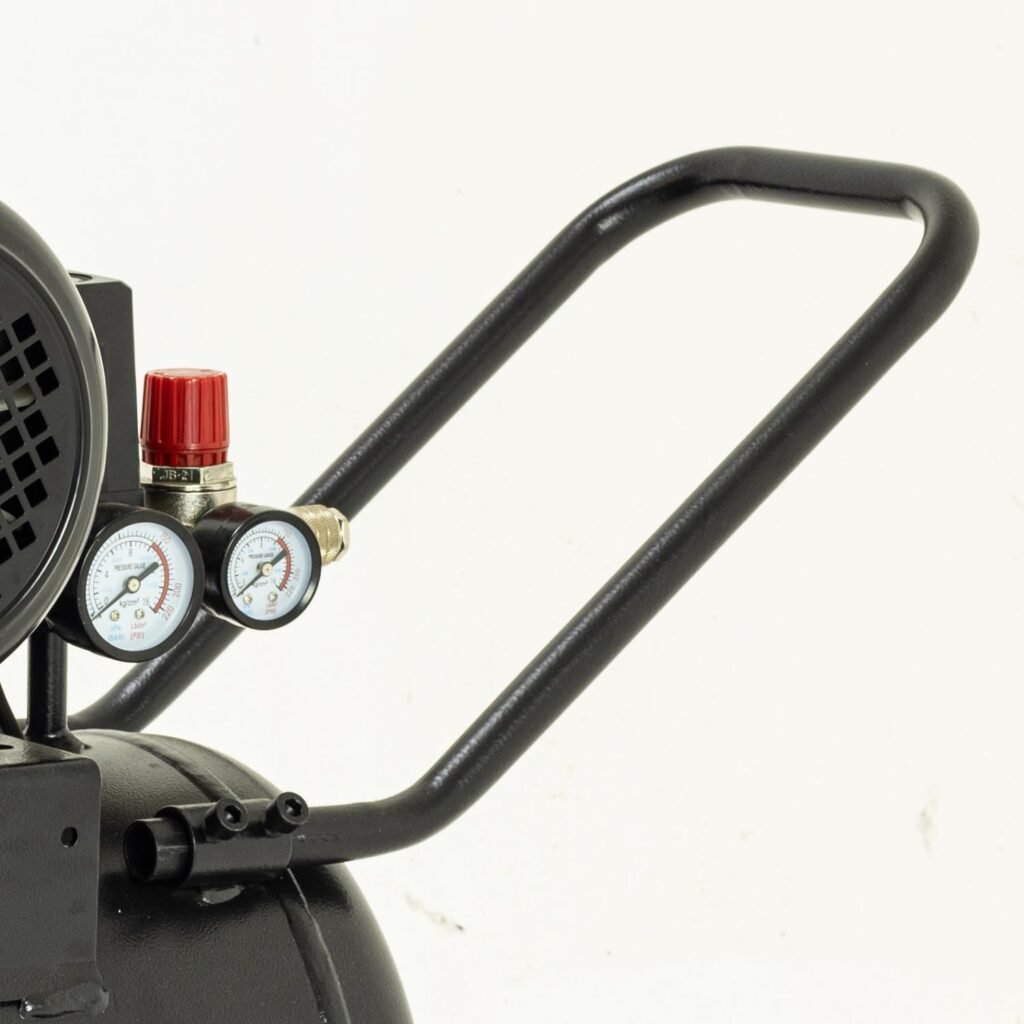
- Clearly visible pressure gauges for tank and outlet pressure
- Simple on/off switch or control for starting and stopping the unit
- Accessible connections for our hoses and tools
- An easy way to adjust working pressure via a regulator
Because the compressor is oil-lubricated and relatively powerful, there is a bit more responsibility than a tiny hobby compressor, but we are rewarded with reliability and performance. Once we form a basic maintenance routine, day-to-day operation becomes almost second nature.
Setup and Installation Considerations
Before we wheel the SIP Airmate into the corner of our garage and plug it in, it is worth thinking about where and how we will install it. A little planning goes a long way to making it pleasant and safe to live with.
We will want to consider:
- Positioning: Leave space around the unit for airflow and cooling. Avoid tight cupboards or fully enclosed spaces.
- Floor surface: A reasonably level, stable floor is ideal. We want it to sit securely.
- Electrical circuit: At 230V and 13A, it can run from a standard socket, but we should ensure our wiring is up to the task and avoid overloading circuits.
- Noise impact: If possible, keep it away from living spaces or thin walls shared with others.
Once it is set up, we will only need to move it occasionally for cleaning or adjustments. Thinking ahead now makes the compressor feel like part of a well-organised workspace rather than an awkward lump.
Maintenance: Keeping It Running Smoothly
Because this is an oil-lubricated, belt-driven unit, maintenance is part of owning it. The good news is that none of this is particularly complicated, and most tasks only take a few minutes if we stay on top of them.
Typical maintenance tasks include:
- Checking oil level regularly and topping up as required
- Changing oil according to the recommended schedule
- Draining condensation from the tank to prevent corrosion
- Inspecting the belt for wear and correct tension
- Cleaning or replacing air filters to maintain airflow and protect the pump
By treating these tasks as a routine rather than a chore, we greatly extend the life of the compressor and keep performance stable. Neglect here is one of the biggest reasons compressors fail earlier than they should.
Safety Considerations
Any powerful compressor deserves respect. The SIP Airmate can store and deliver a large amount of compressed air at high pressure, and misusing it can be dangerous. If we follow some simple guidelines, we protect ourselves and those around us.
Key safety habits include:
- Always using appropriate PPE, especially ear and eye protection
- Never exceeding tool or hose pressure ratings
- Keeping hoses in good condition and replacing cracked or damaged ones
- Ensuring all connections are secure before switching on
- Draining the tank regularly to avoid corrosion and potential weakness
The compressor is designed with safety features and robust construction, but safety is always a shared responsibility between the machine and us as users.
Comparing to Smaller “Mini” Compressors
Many of us may have started with a compact, “mini” style compressor and are now wondering if upgrading to something like the SIP Airmate is worthwhile. The differences become obvious the first time we use a serious air tool or do a full paint job.
Compared with smaller units, the SIP Airmate offers:
- Far greater airflow, so tools do not constantly starve for air
- Higher maximum pressure for more demanding jobs
- Much better performance under continuous or repeated load
- A stronger, more durable motor and pump setup
The trade-off is size, noise, and maintenance, but in return we get a compressor that can truly support our work rather than just dabble in it. If we are doing more than occasional inflating or airbrushing, the step up feels significant.
Using It as an Airbrush Compressor
The product details mention possible use as an airbrush compressor, which might surprise us at first because airbrush systems are often much smaller and quieter. In reality, the SIP Airmate has more than enough capacity for airbrushing; the key is how we set it up.
We can:
- Use a regulator and moisture trap near our airbrush to provide very stable, low pressure
- Benefit from a large reserve of air, meaning the motor does not need to run constantly
- Run multiple airbrushes or larger spray tools if needed
The potential downside is noise, especially if we are used to tiny, quiet airbrush compressors. For some art or indoor setups, this might not be ideal, but for workshop-based airbrushing, this unit can deliver very consistent, reliable airflow.
Portability and Footprint
While this is not a handheld portable compressor, the SIP Airmate still aims to be reasonably maneuverable for its class. A 50-litre unit with a 3hp motor will obviously have some weight, but with integrated handles and typically wheels, we can reposition it in the workshop without too much strain.
We would describe it as:
- Portable within a single building or site
- Movable for rearranging our setup, cleaning, or occasional transportation
- Not something we want to haul up flights of stairs on a regular basis
For most home garages and workshops, it occupies a sensible footprint. It is big enough to mean business, but not so large that it takes over the entire floor.
Energy Use and Efficiency
With a 2.2kW motor, energy use is part of the picture. Like any powerful workshop tool, it requires a decent amount of electricity when running. The belt drive and oil lubrication help improve efficiency by ensuring the motor and pump operate smoothly and with less wasted energy.
To make the most of its efficiency, we can:
- Avoid running the compressor unnecessarily when no air is needed
- Fix leaks in hoses and fittings so we are not constantly replenishing lost air
- Keep filters and oil in good condition to maintain performance
This approach not only helps our energy bills but also reduces wear on the compressor, letting us get more years of service from it.
Who This Compressor Is Best For
The SIP Airmate Belt Drive Air Compressor is not a “one size fits everybody” product. It targets a specific group of users who want serious workshop capability without stepping into industrial-scale infrastructure.
We see it as ideal for:
- Enthusiast car and motorcycle owners who regularly work on their vehicles
- Home workshops where woodworking, metalwork, and spraying are regular activities
- Small trade businesses needing reliable compressed air daily
- Semi-professional or professional users who want a robust secondary unit
For purely occasional, light inflating or very casual use, it is probably more compressor than we strictly need. But for those of us who want our workshop to feel capable, flexible, and ready for substantial tasks, it hits a very attractive sweet spot.
Benefits at a Glance
To summarise what we gain by choosing this model, it helps to pull the main advantages together in one place.
We get:
- Strong 3hp / 2.2kW motor suitable for serious tools and tasks
- A practical 50-litre tank balancing size and capacity
- Up to 145psi / 10 Bar, covering almost all common workshop jobs
- Around 14CFM of airflow, enough for most painting and air tool work
- Belt drive construction for smoother, longer-lasting operation
- Oil-lubricated pump for efficiency, durability, and better heat management
- A build quality aimed at industrial, trade, and professional demands
This combination makes the SIP Airmate feel like a genuine upgrade from hobby-grade gear, giving our workspace a much more professional backbone.
Limitations and Things to Keep in Mind
No compressor is perfect, and it is helpful for us to be honest about where this model might not fit every situation. Recognising these points upfront lets us decide whether it truly aligns with our needs.
We should keep in mind:
- The 97dB noise level means hearing protection is essential and placement matters.
- It requires regular maintenance (oil, draining, belt checks) to deliver its best over time.
- It may not fully satisfy extremely high-demand or continuous industrial applications.
- For very occasional users, it might feel like overkill in terms of size and power.
If we are comfortable with these realities and they match what we expect from a serious workshop compressor, then these are not flaws so much as natural characteristics of the category.
Practical Tips for Getting the Best from It
To really enjoy owning and using the SIP Airmate, it is worth building a few habits and small upgrades into our setup. These do not need to be complex; they simply help us run the compressor smartly.
We can:
- Install a good quality air regulator and moisture trap at the outlet (especially for painting).
- Create a short, sturdy “manifold” or distribution point if we plan to run multiple hoses.
- Keep a basic maintenance log to track oil changes and inspections.
- Store hoses properly, avoiding kinks and tight bends that restrict airflow.
Taking this approach means we are treating the compressor as part of a system, not just a standalone machine. The result is smoother work, fewer frustrations, and a longer service life.
Overall Verdict: Is the SIP Airmate Belt Drive Air Compressor Worth It?
Bringing everything together, we see the SIP Airmate Belt Drive Air Compressor, 230V 13A, 50L, 3hp / 2.2kW, 145psi / 10 Bar 14CFM 97dB as a very capable and well-balanced choice for serious workshops that still run from a domestic-style power supply.
We get robust performance, professional-grade build, and the flexibility to handle everything from spray painting and automotive work to woodworking and general maintenance. The belt drive and oil-lubricated pump suggest a compressor designed for longevity rather than just headline numbers.
If we are building or upgrading a workshop where compressed air will be used frequently and for a range of tasks, this model offers a substantial step up from small hobby compressors without demanding three-phase power or huge floor space. We simply need to accept the noise, commit to basic maintenance, and respect the power it brings to our toolkit.
For many of us, that feels like a very fair trade for the capability and confidence it adds to our everyday work.
Disclosure: As an Amazon Associate, I earn from qualifying purchases.