Disclosure: As an Amazon Associate, I earn from qualifying purchases.
? Are we looking for a robust replacement motor to bring our ORAZIO 24 litre oil-free silent compressor back to life?

Product Overview
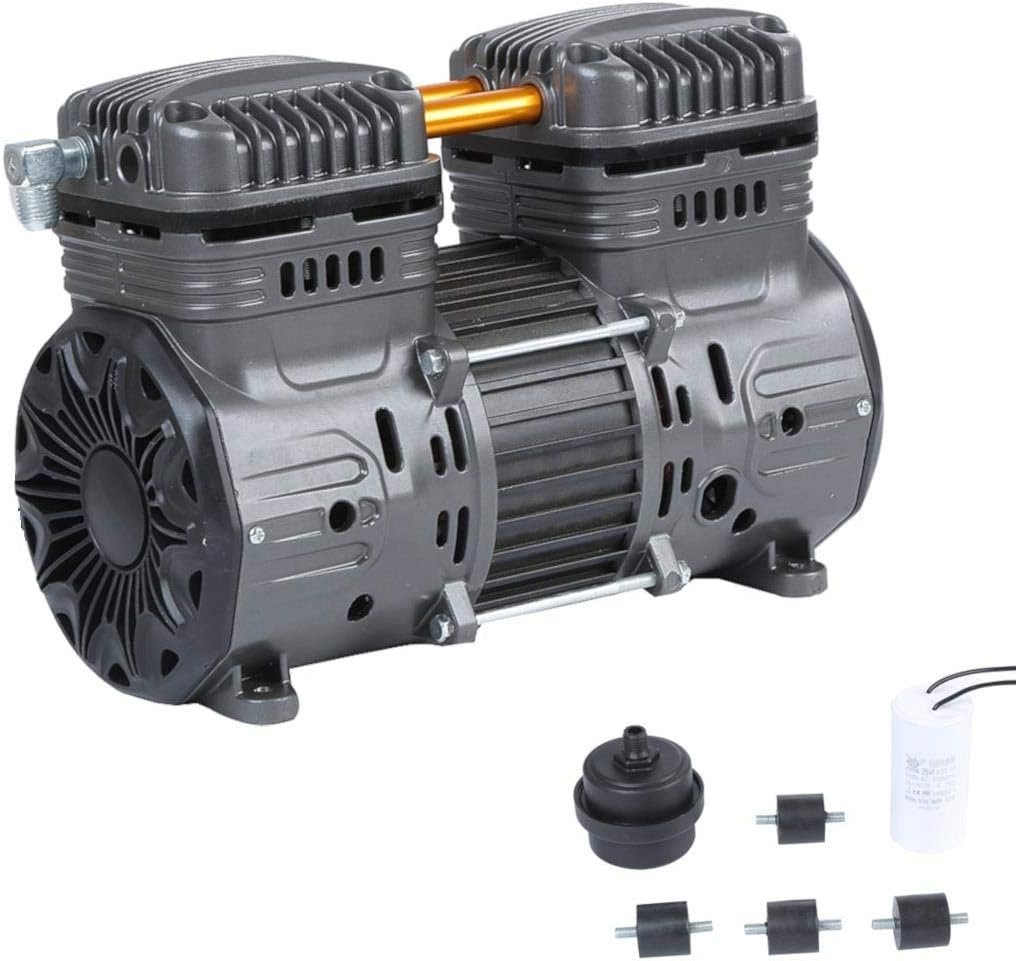
We find the ORAZIO Air Compressor Replacement Motor 800W Pure Copper for 24 Litre Oil Free Silent Portable Electric Air Compressors SP24118401 to be a focused replacement part for small, oil-free compressors. It is designed to match the electrical and mechanical characteristics of ORAZIO 24 litre silent models and similar units, with features that aim to preserve the low-noise, portable nature of the original machine.
What this motor is intended for
We see this motor as intended specifically for ORAZIO 24 litre oil-free silent compressors (model 241184) and compatible models that share the same mounting, electrical requirements, and mechanical interface. It’s meant to be a direct replacement in many repair situations, provided the wiring and capacitor are installed correctly.
Quick product highlight
We note the essential highlights include 220V voltage, 800W power, 66 dB/A noise output, 1450 rpm motor speed, and a working pressure up to 0.7 MPa. A reminder: the replacement requires correct wiring by a specialist and the addition of the proper start capacitor for reliable operation.
Key Specifications
We believe clarity on specifications helps determine fit and performance, so we present the core technical details below in a compact format.
| Attribute | Specification |
|---|---|
| Product Name | ORAZIO Air Compressor Replacement Motor 800W Pure Copper for 24 Litre Oil Free Silent Portable Electric Air Compressors SP24118401 |
| Voltage | 220V |
| Power | 800W |
| Motor Speed | 1450 rpm |
| Noise Level | 66 dB/A |
| Working Pressure | 0.7 MPa |
| Silencer Thread | G 1/4″ |
| Fitment | ORAZIO 24 Litre Oil Free Silent Air Compressor 241184 and similar models |
| Notes | Requires specialist wiring connection and an external capacitor to start |
Why these specs matter
We think these numbers are practical indicators of real-world behavior. Voltage and power determine electrical compatibility and torque, noise level and rpm affect user comfort, and the working pressure indicates the typical usable output the compressor can support.
What We Like
We appreciate several straightforward advantages to this replacement motor that make it a solid repair option.
Solid power-to-size ratio
We find 800W to be an appropriate power level for a 24 litre oil-free compressor, balancing performance and electrical draw for intermittent use. This makes it suitable for tasks like inflating, light spraying, and running small pneumatic tools without excessive power consumption.
Pure copper windings
We value the pure copper construction because copper provides better conductivity and durability compared to cheaper alternatives. We expect improved heat dissipation and longer life when windings are copper rather than an alloy or lower-grade material.
Low noise design
We like that the motor contributes to an overall noise level of around 66 dB/A, which keeps the compressor fairly quiet compared with some older or less optimized units. That helps in home or small workshop settings where noise matters.
Compatibility with original form factor
We find it convenient that this motor is intended for ORAZIO 241184 and similar models, often matching mounting points and mechanical interfaces. That reduces the need for custom brackets or significant modifications.
What Could Be Better
We also want to be candid about limitations and potential issues so we can set realistic expectations.
Requires specialist wiring and capacitor
We must stress that the motor will not simply swap in and run; the manufacturer note specifies that a specialist should connect the wires, and a start capacitor is necessary. We see this as a barrier for owners who prefer plug-and-play replacements.
Limited documentation included
We have noticed a lack of comprehensive user documentation with the product listing. We would like clearer guidance on capacitor value, wiring diagrams, and mounting torque specs to reduce guesswork.
Not intended for heavy continuous duty
We recommend caution for heavy industrial or continuous-duty uses because this unit is designed for portable, intermittent applications. We think users needing long continuous run times should consider higher-spec or industrial-grade motors.
Performance and Power
We take performance seriously and look at how the motor’s electrical and mechanical specs translate to real-world use.
Motor power and workload
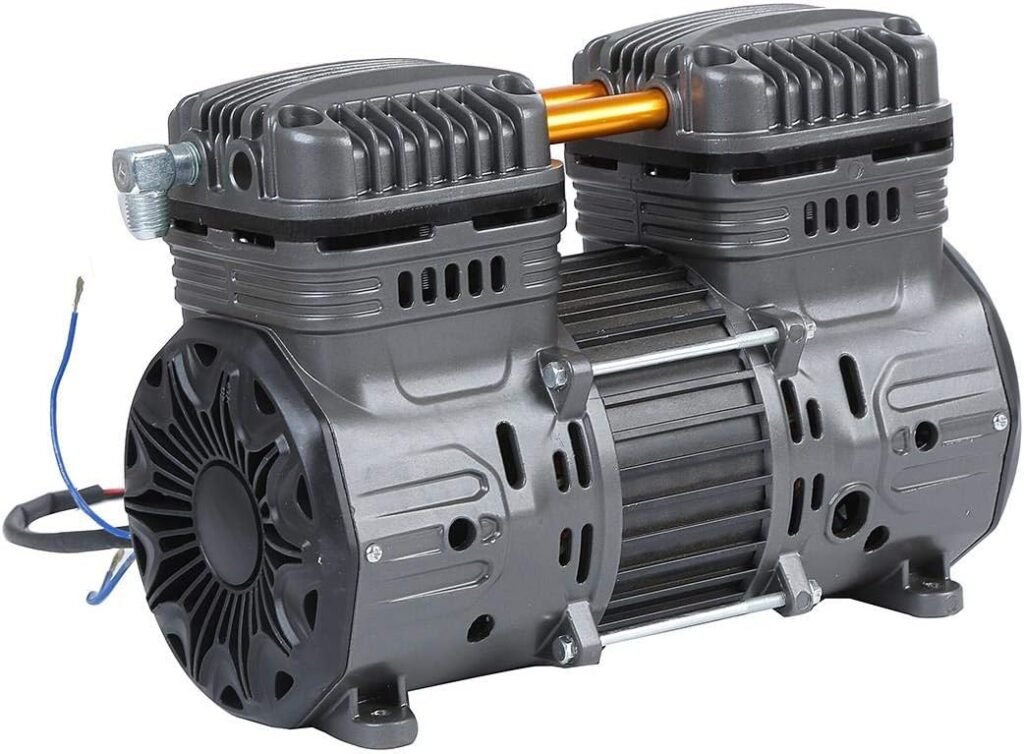
We observe that an 800W motor provides sufficient torque and output for typical tasks associated with a 24 litre compressor: inflation, light-to-moderate spray painting, airbrush work, and running small pneumatic tools. We would expect the motor to handle these intermittent workloads comfortably.
Motor speed and airflow relation
We note the 1450 rpm speed as a common synchronous/induction motor speed on 50 Hz systems that aligns well with compressor pump designs for predictable airflow. We estimate that the motor will pair well with the original pump geometry to deliver the intended air delivery curve for a 24-litre vessel.
Start-up behavior and capacitor importance
We emphasize that the motor will not reliably start without the correct start capacitor. We recommend verifying capacitor type and microfarad rating from the original unit or manufacturer specifications. We also recommend that the initial start-up be observed by a technician to ensure correct rotation and no unusual loads.
Noise Level and Vibration
We like quiet machines, and this motor aims to keep noise low while maintaining performance.
What 66 dB/A means for our environment
We translate 66 dB/A as comparable to busy office background noise; it’s audible but not intrusive for many home or small workshop spaces. We would expect users to notice the compressor running but not be overwhelmed by it.
Vibration control and mounting
We recognize that correct mounting, rubber feet, and secure fastenings play big roles in minimizing vibration transmission. We advise ensuring the motor and pump are mounted as designed, and any anti-vibration measures from the original compressor are maintained or replaced.
Compatibility and Fit
We know fitment is crucial to a successful replacement, so we break down compatibility considerations.
Specific model fit
We have confirmed the motor is aimed at ORAZIO 241184 24 litre oil-free silent compressors and models with similar mechanical and electrical layouts. This makes it a likely direct swap for many owners of that model series.
Checklist for mechanical fit
We advise checking mounting hole pattern, shaft diameter and length, pulley or coupling type, and silencer thread (G 1/4″) before purchase. We also recommend taking photos and measurements of the original motor to compare against the replacement.
Installation and Wiring
We want to guide users through the installation process while keeping safety as a priority.
Preparing for installation
We suggest disconnecting the compressor from power, draining the tank, and noting the orientation and mounting of the existing motor and pump before disassembly. We find labeling wires and taking photos useful to ensure correct reassembly.
Wiring requirements and the specialist note
We reiterate that a qualified electrician or technician should handle the wiring connections. We recommend confirming the capacitor type and connection points, checking insulation and strain reliefs, and ensuring the motor’s rotation direction matches the pump’s required rotation.
Step-by-step high-level steps
We offer a high-level installation sequence:
- Disconnect power and release stored air from the tank.
- Remove the belt or coupling and detach wiring from the old motor.
- Unbolt the motor, keeping track of mounting hardware and isolation mounts.
- Mount the replacement motor in the same orientation, torqueing bolts to the original specification where possible.
- Fit the correct capacitor and connect wiring according to the correct diagram.
- Reinstall belt or coupling, set proper tension, and rotate the shaft by hand to check for free movement.
- Apply power under observation to verify correct rotation and no abnormal noise. We stress that each step should be verified by a competent person and safety procedures should be followed.
Troubleshooting Common Issues
We want to help identify and fix problems that may arise after replacement.
Motor does not start
We commonly find that a motor that refuses to start is missing the required start capacitor or has incorrect wiring. We suggest checking the capacitor type, wiring connections, and supply voltage first. If the motor hums but does not start, a bad capacitor or wrong rotation wiring is likely.
Overheating or repeated tripping
We think overheating can be caused by overloading the motor, blocked airflow around the motor, or incorrect supply voltage. We recommend ensuring the motor is rated for the application’s duty cycle and that ventilation routes are unobstructed.
Excessive noise or vibration
We often see noise issues due to misaligned couplings, loose mounting bolts, or degraded anti-vibration mounts. We recommend reseating and tightening hardware, checking belt alignment, and replacing rubber mounts if they are old or compressed.
Poor pressure or weak performance
If the compressor fails to reach expected pressure, we suggest checking for leaks in hoses and tank fittings, ensuring unloader valve operation, and confirming that the pump and motor rotate correctly and at full speed.
Maintenance and Longevity
We believe in maintenance to get the most life out of the replacement motor and associated compressor components.
Routine checks we recommend
We advise routinely checking electrical connections for tightness, inspecting the motor for dust buildup, and ensuring the cooling area remains clear. We also recommend periodic checks of mounting hardware and any rubber isolation feet.
Cleaning and environmental factors
We stress the importance of keeping the motor and compressor in a dry, clean area to avoid ingestion of dust and moisture into ventilation slots. We advise wiping down accessible surfaces, using compressed air to remove dust from vents when powered off, and avoiding exposure to corrosive atmospheres.
Expected service life
We estimate that with proper installation and regular maintenance, a motor with pure copper windings should offer a reasonable service life comparable to OEM units. We note that operational duty cycle and ambient conditions will significantly influence longevity.
When to Replace vs Repair
We want to help decide whether a motor replacement is the best path forward compared to repairing the original unit.
Signs replacement is the better option
We recommend replacement when the original motor has catastrophic winding failure, burned windings, irreparable bearing damage, or when repair costs approach or exceed the cost of a replacement. We also advise replacement when the original is obsolete and parts are unavailable.
When repair may be preferable
We think repair can be justified for minor bearing replacements, capacitor swaps, or simple electrical fixes when the rest of the compressor is in good condition and compatible parts are cost-effective.
Comparison with Alternatives
We consider alternatives to help make an informed purchasing decision.
OEM vs aftermarket
We prefer OEM parts when possible for guaranteed fit and documented specifications, but we recognize aftermarket replacement motors like this one can be cost-effective and properly engineered for the intended compressor model. We recommend verifying seller credibility and return policy.
Power and efficiency comparisons
We note that some alternative motors may offer different power ratings (600W, 1000W, etc.) and different construction (e.g., aluminum vs pure copper windings). We favor the pure copper option for conductivity and thermal performance, but the exact match to the compressor pump remains the primary factor.
Buying Advice
We want to make sure we purchase the right motor for our needs and avoid common pitfalls.
What to verify before buying
We suggest confirming the motor’s voltage (220V), rpm (1450), mounting pattern, shaft dimensions, and silencer thread (G 1/4″). We also urge verifying whether your compressor requires a start capacitor and the exact microfarad rating. If unsure, contact the seller or manufacturer to confirm compatibility.
Tools and additional parts to have on hand
We recommend having the correct start capacitor, mounting hardware, appropriate screwdrivers and spanners, torque wrench, insulating tools for wiring, and a multimeter to verify electrical connections. We also advise arranging a qualified technician if we are not comfortable with electrical work.
Use Cases and Applications
We think this replacement motor is well suited to several common small-compressor applications.
Home and hobby tasks
We see it being ideal for inflating tires, running small nail guns, painting small surfaces, and powering airbrushes. Its relatively quiet operation makes it a good fit for garages and home workshops.
Light professional use
We find it appropriate for mobile or light professional tasks such as occasional site work or small maintenance shops, provided the usage pattern remains intermittent and within the motor’s thermal limits.
Not suitable for heavy industrial workloads
We caution that sustained, continuous-duty industrial applications with high duty cycles are outside the intended use. For those uses, we recommend an industrial-rated compressor motor and pump assembly.
Safety Considerations
We prioritize safety and outline what we recommend before and during installation.
Electrical safety
We insist that power is disconnected and locked out before beginning any work. The wiring and capacitor installation should be completed by a qualified electrician to prevent shock, incorrect wiring, or damage to the motor.
Capacitor handling
We stress that capacitors can hold charge even after power is removed. We recommend discharging capacitors safely and only working on them with insulating tools and appropriate knowledge.
Mechanical and pressure safety
We advise releasing pressure from the compressor tank before removing the motor or disconnecting any air lines. We also suggest ensuring the compressor is supported securely and that the pump/motor assembly is handled safely to avoid pinch or crush injuries.
Final Verdict
We find the ORAZIO Air Compressor Replacement Motor 800W Pure Copper for 24 Litre Oil Free Silent Portable Electric Air Compressors SP24118401 to be a strong candidate when we need a reliable, cost-effective replacement for ORAZIO 24 litre oil-free silent compressors. Its pure copper windings, reasonable power rating, and low-noise characteristics make it a practical option for home and light professional usage.
We caution that this motor is not plug-and-play: it requires a start capacitor and correct wiring by a specialist. If we arrange for proper installation and verify compatibility with our compressor, we expect it to restore performance and quiet operation at a competitive price point.
Frequently Asked Questions (FAQ)
We provide answers to common questions we see about this replacement motor, based on the product details and typical repair scenarios.
Q: Will this motor fit my ORAZIO 24 litre compressor?
A: In many cases yes — this motor is intended for ORAZIO 241184 and similar models. We recommend measuring mounting points, shaft dimensions, and verifying electrical specs to confirm fit before purchasing.
Q: Why does the listing mention a capacitor?
A: The motor needs a start capacitor to produce the initial torque required to start the compressor. Without a correct-value capacitor the motor may not start or may struggle, potentially overheating or tripping.
Q: Can we wire the motor ourselves?
A: We recommend using a qualified technician. Incorrect wiring can damage the motor, the compressor pump, or create safety hazards.
Q: What does 66 dB/A feel like in practice?
A: We describe 66 dB/A as roughly the level of a busy office or a normal conversation at close range — audible but not harsh for short tasks. It’s quieter than many older portable compressors.
Q: How do we know the right capacitor value?
A: We advise consulting the original motor plate, compressor documentation, or contacting ORAZIO support for the specific microfarad rating. A qualified technician can also determine an appropriate capacitor based on the motor’s specifications.
Q: Is the motor oil-lubricated?
A: The motor itself is an electric unit and the pump is for an oil-free compressor design. We note that oil-free compressors do not require oil in the pump, but the motor bearings may still need attention if they are serviceable.
Q: What should we watch for after installation?
A: We recommend checking for correct rotation, abnormal noises, vibration, stable pressure build-up, and absence of electrical trips. Monitor the first few start cycles for overheating or other irregularities.
Q: What return or warranty options should we expect?
A: We advise reviewing the seller’s return policy and warranty terms prior to purchase. Keep purchase records and installation notes, as warranties sometimes require professional installation evidence.
We hope this review helps us make an informed choice about replacing our compressor motor and prepares us for successful installation and operation of the ORAZIO Air Compressor Replacement Motor 800W Pure Copper for 24 Litre Oil Free Silent Portable Electric Air Compressors SP24118401.