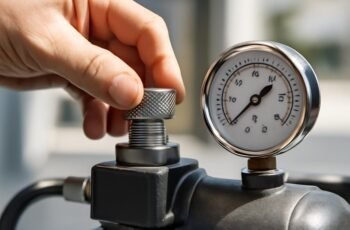
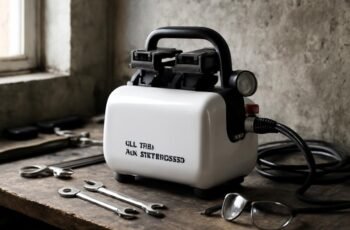
Many users overlook that the size and type of an air compressor tank directly influence system efficiency and safety, yet these factors are often overlooked during setup. Properly selected tanks serve as essential pressure reservoirs, stabilizing airflow and reducing wear on components. Without correct sizing and maintenance, tanks can become safety hazards or diminish performance. Understanding these nuances is essential for reliable operation, and the details behind choosing, installing, and maintaining the right tank are more intricate than they might seem.
Key Takeaways
- Air compressor tanks act as reservoirs to stabilize pressure and reduce compressor cycling, extending equipment lifespan.
- Proper installation includes secure fittings, pressure relief valves, and drainage to ensure safety and efficiency.
- Regular inspection, pressure testing, and drainage prevent corrosion, leaks, and structural damage.
- Tank size should match peak airflow requirements to optimize performance and prevent overloading.
- Replacement is necessary when persistent issues like corrosion, leaks, or abnormal pressure fluctuations occur.
Understanding the Role of Air Compressor Tanks in Your System
Have you ever wondered why air compressor tanks are a crucial component of the system? These tanks serve as the reservoir that stabilizes pressure, ensuring consistent airflow during operation. Properly functioning tanks reduce cycling frequency, which minimizes wear on the compressor and improves efficiency. Addressing maintenance myths is essential; some believe tanks require frequent replacement, but regular inspections and drainage prevent corrosion and contamination. Additionally, tanks play a significant role in noise reduction by dampening sound levels produced during compressor cycling. Understanding their role allows us to optimize system performance and longevity. Maintaining tanks properly enhances overall efficiency and prevents costly downtime, emphasizing their essential function in air compressor systems.
Types of Air Compressor Tanks and Their Applications
What are the different types of air compressor tanks, and how do their designs suit specific applications? We find that vertical tanks are common in workshops due to their space efficiency, while horizontal tanks offer stability for continuous use. The choice of air tank materials, such as steel or aluminum, impacts durability and corrosion resistance, which is critical for long-term performance. Steel tanks, especially those with protective coatings, provide strength and excellent corrosion resistance in harsh environments. Aluminum tanks are lightweight and naturally resistant to corrosion, making them suitable for portable applications. The design of each tank type aligns with specific operational needs, whether for high-volume industrial tasks or portable, maintenance-focused use. Proper material selection enhances longevity and system reliability.
Choosing the Right Size and Capacity for Your Needs
To select the appropriate air compressor tank, we need to accurately assess our airflow requirements based on the tools and applications involved. Matching tank size to usage ensures consistent pressure and minimizes system cycling, optimizing efficiency. Precise capacity selection is essential for maintaining performance and avoiding resource waste.
Assessing Your Airflow Requirements
Selecting the appropriate air compressor tank size begins with a clear understanding of your airflow demands. To optimum airflow and tank efficiency, we assess your typical CFM (cubic feet per minute) requirements during peak operation. Accurate assessment involves measuring the maximum airflow needed for your tools and applications, rather than average consumption, ensuring the tank can handle sudden demand surges. We also consider duty cycle and continuous usage patterns. By precisely evaluating these factors, we can determine the optimal tank capacity that minimizes compressor cycling and maximizes efficiency. Properly assessing airflow needs enables us to select a tank that enhances airflow optimization, reduces energy consumption, and prolongs equipment lifespan, ensuring your system operates reliably under varying conditions.
Matching Tank Size to Usage
Choosing the right tank size for your air compressor system requires a precise match between capacity and your operational demands. Proper sizing ensures consistent airflow and minimizes compressor cycling, optimizing efficiency. When selecting, consider tank materials like steel or aluminum, which influence durability and corrosion prevention. Steel tanks, often coated or galvanized, resist corrosion, but require regular maintenance to prevent rust. Aluminum tanks offer lightweight, corrosion-resistant alternatives, ideal for portable applications. Matching tank capacity to your usage prevents over- or under-pressurization, ensuring reliable performance. It’s essential to evaluate your airflow demands, duty cycle, and anticipated pressure drops. By selecting an appropriately sized tank with suitable materials, you enhance system longevity, maintain air quality, and reduce maintenance costs.
Safety Considerations and Maintenance Tips for Air Tanks
Regular inspections are essential to identify corrosion, leaks, or structural damage that could compromise tank integrity. Proper drainage prevents moisture buildup, reducing the risk of rust and pressure issues, while ensuring safety. Additionally, maintaining pressure relief valves and verifying their functionality is critical to prevent over-pressurization and potential failure.
Regular Inspection Procedures
How often should we inspect air compressor tanks to ensure safety and optimal performance? Regular inspections are crucial for addressing durability concerns and environmental monitoring. We recommend conducting visual inspections monthly to detect corrosion, cracks, or deformation. Additionally, pressure testing every 6 to 12 months verifies structural integrity under operational conditions. During inspections, we examine welds, seams, and fittings for signs of wear or deterioration. We also assess the tank’s internal corrosion potential and check safety relief valves for proper function. These steps help prevent catastrophic failures and ensure compliance with safety standards. Implementing strict inspection routines minimizes risk, extends tank lifespan, and maintains environmental safety by catching issues early. Proper documentation of each inspection is essential for ongoing safety management.
Proper Drainage Practices
Effective drainage practices are essential for maintaining the safety and longevity of air compressor tanks. Proper drainage ensures optimal drainage efficiency, reducing moisture buildup that can cause corrosion and compromise structural integrity. Regularly opening drain valves and using automatic drain systems enhance moisture control. To illustrate, consider this table:
| Drain Type | Frequency of Use | Benefits |
|---|---|---|
| Manual Drain Valve | After each shift | Cost-effective, straightforward control |
| Automatic Drain | Continuous, during operation | Consistent moisture removal |
| Condensate Collectors | Weekly inspection | Prevents moisture accumulation |
| Desiccant Filters | Monthly maintenance | Reduces internal humidity |
Maintaining these practices ensures moisture doesn’t accumulate, preserving tank integrity and operational safety.
Pressure Relief Safety
Have you guaranteed that your air tank’s pressure relief devices are functioning correctly? Properly maintained safety valves are essential to prevent over-pressurization, which can compromise noise levels and reduce energy efficiency. Regular testing ensures these devices open at the designated pressure, reducing the risk of catastrophic failure. Additionally, inspecting for corrosion or debris prevents false triggers or device failure. It’s crucial to document maintenance activities for compliance and safety audits. Properly functioning relief devices maintain optimal noise levels, minimizing operational disruptions. They also help conserve energy by preventing unnecessary compressor cycling caused by pressure fluctuations. Ensuring these safety features are operational enhances overall tank safety, prolongs equipment lifespan, and maintains energy-efficient operation. Regular proactive checks are vital for safe, efficient system performance.
How to Properly Install and Set Up Your Air Compressor Tank
Ensuring the correct installation and setup of your air compressor tank is critical for safe and efficient operation. Begin by selecting a stable, level surface away from flammable materials and high-traffic areas. Connect the tank to the compressor unit using appropriate fittings, ensuring all connections are tight and leak-free. Incorporate a pressure relief valve and a drain valve, positioned according to manufacturer specifications, to facilitate maintenance and safety. When setting pressure levels, refer to the manufacturer’s guidelines, avoiding unrelated to tanks, landing page topics that could cause confusion. Verify electrical connections meet local codes, and ensure proper grounding. Finally, check all safety devices and test run the system to confirm correct operation, adhering closely to safety standards to prevent hazards.
Troubleshooting Common Issues and When to Replace Your Tank
When your air compressor tank begins to show signs of trouble, addressing issues promptly can prevent costly damage and unsafe conditions. Common problems include corrosion, leaks, abnormal pressure fluctuations, and excessive noise. Corrosion often indicates prolonged exposure to moisture, compromising tank integrity. Leaks may stem from faulty welds or damaged fittings, risking pressure loss. Unusual pressure swings could point to pressure switch failures or internal obstructions, while loud noises might signal structural weakness. If these issues persist despite maintenance, it’s time to contemplate tank replacement. Additionally, irrelevants like Irrelevant topic 1 and Irrelevant topic 2 highlight the importance of regular inspections. Recognizing these signs early helps guarantee safety and peak compressor performance, preventing catastrophic failure and extending your equipment’s lifespan.
Frequently Asked Questions
How Long Do Air Compressor Tanks Typically Last?
Typically, air compressor tanks last 10-15 years, depending on usage, maintenance, and corrosion indicators. Regular inspections help detect early signs of corrosion, extending tank lifespan and ensuring safe, efficient operation over time.
Can You Convert an Old Tank for Other Uses?
We can convert old tanks for other uses, but safety concerns are paramount; thorough inspection, cleaning, and appropriate modifications are essential to prevent hazards. Proper procedures ensure safe, effective repurposing, avoiding risks associated with structural integrity and residual pressure.
What Are Signs of Internal Corrosion in a Tank?
We observe internal corrosion signs through pitting, discoloration, or rust flakes inside the tank. Remote monitoring helps detect these issues early, preventing structural failure and ensuring safety by providing real-time alerts of corrosion progression.
Is It Possible to Upgrade an Existing Tank’s Capacity?
Yes, we can upgrade a tank’s capacity through tank repurposing, which involves evaluating structural integrity, modifying dimensions if feasible, and ensuring compliance with safety standards, enabling effective upgrading of capacity for specific industrial needs.
How Does Ambient Temperature Affect Tank Performance?
Ambient temperature directly impacts tank performance; higher temperatures increase internal pressure, risking safety and efficiency, while lower temperatures reduce pressure, potentially affecting operation. We recommend monitoring ambient conditions to optimize tank safety and performance effectively.
Conclusion
Understanding the nuances of air compressor tanks is crucial for optimal system performance and safety. As we’ve seen, proper sizing, regular maintenance, and correct installation are key. But the question remains: how do you ensure your tank continues to perform reliably over time? The answers lie in vigilant inspection and awareness of potential issues. Stay informed, stay proactive — because the right tank, maintained correctly, keeps your system running smoothly when you need it most.