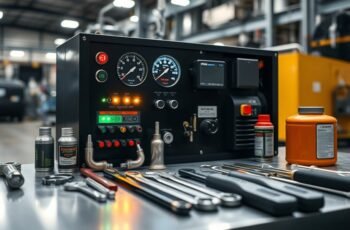
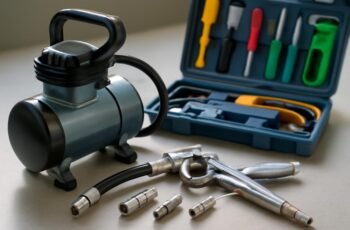
When troubleshooting air compressor pressure switches, it’s vital to approach the process systematically, focusing on electrical connections, calibration, and physical condition. Proper diagnosis can prevent equipment failure and guarantee safe operation, but the complexity of these components requires a detailed understanding of their function and common failure points. We’ll explore key diagnostic steps and maintenance practices to help you identify issues accurately and maintain peak performance—a fundamental aspect of reliable compressor operation.
Key Takeaways
- Check wiring connections and continuity to ensure proper electrical flow.
- Measure and verify cut-in and cut-out pressures against manufacturer specifications.
- Inspect the switch for physical damage, corrosion, or debris buildup.
- Test the switch response by manually cycling it to confirm correct operation.
- Adjust or replace the switch if pressure levels or response are outside recommended ranges.
Understanding How Air Compressor Pressure Switches Work
Have you ever wondered how an air compressor maintains consistent pressure during operation? The answer lies in the pressure switch, a critical component that regulates compressor cycling. During operation, the pressure switch monitors system pressure and activates or deactivates the compressor accordingly. Proper pressure switch calibration ensures it responds accurately to pressure changes, preventing over-pressurization or insufficient airflow. Regular air compressor maintenance includes verifying the switch’s calibration and adjusting settings if needed. When calibrated correctly, the switch maintains stable pressure levels, optimizing performance and extending equipment lifespan. Understanding this mechanism helps us troubleshoot issues effectively, guaranteeing the compressor operates smoothly. Accurate pressure switch function is essential for efficient, safe, and reliable air compressor operation, making calibration and maintenance essential.
Common Signs of Pressure Switch Problems and What They Mean
Identifying signs of pressure switch issues is vital for maintaining the best compressor performance. Common indicators include inconsistent pressure regulation, where the compressor cycles improperly or fails to reach set pressure levels, signaling potential pressure switch failure. Electrical wiring issues often manifest as frequent cycling, unexpected shutdowns, or failure to activate the compressor altogether. These wiring problems can cause erratic operation, miscommunication between components, or electrical shorts, all of which compromise system reliability. Recognizing these symptoms early helps differentiate between mechanical failure and electrical faults. Addressing these signs promptly guarantees the pressure switch functions correctly, preventing further damage and optimizing compressor efficiency. Accurate diagnosis of pressure switch failure and electrical wiring issues is essential for effective troubleshooting and system longevity.
Step-by-Step Guide to Troubleshooting Pressure Switch Issues
When troubleshooting pressure switch issues, following a structured approach guarantees accurate diagnosis and effective repairs. We start by inspecting switch wiring diagrams to verify correct connections and identify potential wiring faults. Next, we test the switch’s electrical continuity to verify proper functioning. If the switch appears functional, we assess pressure switch calibration by measuring the cut-in and cut-out pressures against manufacturer specifications. Discrepancies here can indicate calibration drift, leading to improper activation. We also examine for signs of physical damage or corrosion. If calibration is off, adjusting it might resolve the issue, but if wiring or switch components are faulty, replacement may be necessary. This systematic process ensures precise diagnosis, minimizing downtime and preventing further damage.
How to Adjust or Replace Your Pressure Switch Safely
Adjusting or replacing your pressure switch requires careful attention to safety procedures to prevent injury or equipment damage. Proper handling ensures accurate pressure switch calibration and maintains switch material durability. Before proceeding, disconnect power and depressurize the system. When calibrating, verify the switch’s settings match the manufacturer’s specifications to avoid over-pressurization. Inspect the switch material for signs of wear or corrosion, as degraded materials can compromise durability and operation.
Key steps include:
- Using insulated tools to prevent electrical shocks during calibration or replacement
- Ensuring the pressure gauge is accurate for precise adjustments
- Testing the switch’s response after adjustments to confirm proper function
Adhering to safety protocols preserves the switch’s longevity and system integrity.
Preventative Tips to Keep Your Pressure Switch Running Smoothly
Regular maintenance and proactive care are essential to ensuring your pressure switch remains reliable and functions correctly over time. Implementing consistent maintenance routines, such as inspecting electrical connections, cleaning contact points, and verifying calibration, minimizes the risk of failure. Safety precautions are critical during these procedures; always disconnect power before servicing to prevent electrical hazards. Regularly check for signs of wear, corrosion, or debris buildup that could impair operation. Lubricate moving parts if applicable, following manufacturer guidelines. Monitoring system pressure settings and ensuring they align with operational specifications prevents undue stress on the switch. By adhering to these preventative measures, we reduce downtime, extend component lifespan, and maintain ideal compressor performance, ensuring safe and efficient operation over the long term.
Frequently Asked Questions
Can a Pressure Switch Cause the Compressor to Overheat?
Yes, a pressure switch malfunction can cause compressor overheating by failing to regulate pressure properly, leading to continuous operation. We analyze such issues by checking the switch’s responsiveness, ensuring it disconnects at proper pressure levels to prevent damage.
What Is the Average Lifespan of an Air Compressor Pressure Switch?
Like a ticking clock, pressure switch failure typically occurs after 3-5 years. Regular maintenance tips, such as inspecting for wear or corrosion, help prolong its lifespan, ensuring reliable compressor operation and preventing sudden failure.
Are There Different Types of Pressure Switches for Various Compressors?
We recognize that pressure switch types vary to guarantee compressor compatibility, with specific designs tailored for different systems. Selecting the right switch involves analyzing compressor specifications, ensuring technical compatibility, and understanding the distinct features that optimize performance and safety.
How Do I Know if My Pressure Switch Is Compatible With My Compressor Model?
We verify pressure switch compatibility by checking our compressor model specifications and matching them with switch ratings. Even if it seems complex, consulting manufacturer datasheets guarantees the switch fits precisely, avoiding costly errors and ensuring reliable operation.
What Safety Precautions Should I Take Before Replacing a Pressure Switch?
We prioritize electrical safety and proper tool maintenance by disconnecting power, wearing insulated gloves, and verifying circuit de-energization before replacing a pressure switch, ensuring safe handling and preventing electrical hazards during compressor maintenance.
Conclusion
By systematically troubleshooting and maintaining your pressure switch, we can prevent potential failures that might lead to catastrophic compressor shutdowns—think of it as safeguarding the heart of your entire system. Regular inspections, precise adjustments, and timely replacements ensure peak performance and safety. Staying vigilant with these technical checks keeps your compressor running smoothly, avoiding costly downtime. Remember, a well-maintained pressure switch isn’t just a component—it’s the unsung hero that keeps your entire operation alive and thriving.