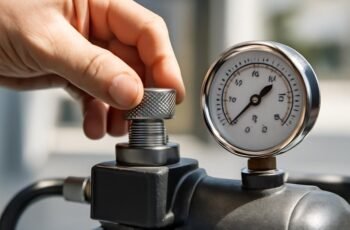
Like a finely tuned engine that risks seizing under stress, an air compressor’s performance hinges on effective heat management. Overheating is often a silent adversary, stemming from mechanical wear, excessive workload, or poor ventilation. Understanding these factors is vital, as unchecked heat can lead to costly damage and downtime. To safeguard your equipment and maintain peak operation, it’s essential to identify the signs early and implement preventive measures—a topic we’ll explore in detail.
Key Takeaways
- Overloading or continuous high operation can overwhelm cooling systems, causing excessive heat buildup.
- Mechanical faults like worn bearings or faulty valves hinder heat dissipation, increasing overheating risk.
- Restricted airflow, dust, and poor ventilation reduce cooling efficiency and elevate compressor temperatures.
- Inadequate maintenance of cooling components and improper ambient conditions worsen heat accumulation.
- Regular temperature monitoring and prompt troubleshooting help prevent damage and extend compressor lifespan.
What Causes Air Compressors to Overheat?
Air compressors tend to overheat when their cooling mechanisms are compromised or overwhelmed by operational demands. Reduced thermal management efficiency impairs the system’s ability to dissipate heat effectively, leading to elevated temperatures. Factors such as inadequate airflow, dirty cooling fins, or malfunctioning cooling fans diminish heat transfer, directly impacting air compressor efficiency. Additionally, continuous operation at high loads without proper rest periods increases thermal buildup. Overloading the compressor or running it beyond recommended duty cycles further strains components, generating excess heat. Poor maintenance, including neglected filter cleaning or cooling system inspections, exacerbates overheating risks. Ultimately, compromised thermal management impairs performance and accelerates wear, making it critical to optimize cooling systems and operate within designed parameters to prevent overheating.
Recognizing the Signs of Overheating in Your Compressor
While compressor overheating can sometimes be subtle, there are specific indicators that signal when thermal management is failing. An increase in abnormal air compressor noise—such as rattling or grinding—often accompanies overheating, reflecting internal stress or component failure. Additionally, reduced energy efficiency becomes apparent as the compressor works harder to achieve the same output, leading to higher power consumption. Overheating may also cause the unit to cycle on and off more frequently, indicating thermal overload. These signs suggest that heat buildup is impairing performance and could cause long-term damage. Recognizing these early warning signs allows for timely intervention, preventing further overheating and maintaining ideal operational efficiency. Monitoring noise levels and energy consumption is essential for early detection.
How Poor Ventilation Contributes to Overheating Problems
Poor ventilation impairs airflow circulation, causing heat to build up within the compressor housing. Inadequate ventilation systems and overcrowded work areas further restrict heat dissipation, exacerbating overheating risks. Addressing these ventilation issues is essential for maintaining ideal compressor temperatures and preventing damage.
Restricted Airflow Circulation
Restricted airflow circulation considerably hampers a compressor’s ability to dissipate heat effectively. When airflow is obstructed, heat accumulates within the unit, leading to elevated operating temperatures and potential overheating. Poor airflow not only impacts the compressor’s thermal management but also degrades air quality by trapping dust, debris, and contaminants that can clog components. Additionally, restricted airflow often results in increased noise levels, as the compressor struggles to operate efficiently, producing more vibrations and sound emissions. Continuous overheating due to inadequate airflow can cause premature component failure and reduced lifespan. Ensuring unobstructed airflow is vital for maintaining ideal heat dissipation, controlling noise levels, and preserving air quality, all of which contribute to reliable, efficient compressor operation.
Inadequate Ventilation Systems
Inadequate ventilation systems considerably hinder a compressor’s ability to dissipate heat, leading to rapid temperature buildup and potential overheating. Poor ventilation impacts air quality by trapping hot, contaminated air, which exacerbates thermal stress on components. Additionally, insufficient airflow increases noise levels by amplifying vibrations and sound reflection, complicating maintenance and safety. Key factors include:
- Limited airflow reduces heat exchange efficiency, raising operating temperatures.
- Poor air quality causes dust accumulation, impairing cooling mechanisms.
- Inadequate ventilation hampers noise reduction, increasing worker fatigue.
- Restricted airflow elevates the risk of thermal stress, shortening compressor lifespan.
Addressing ventilation deficiencies improves heat dissipation, enhances air quality, and reduces noise, ultimately safeguarding compressor operation.
Overcrowded Work Areas
How does crowding in work areas influence compressor overheating? Overcrowded spaces exacerbate workplace hazards by restricting airflow, impairing heat dissipation, and elevating ambient temperatures. Poor ventilation, combined with high occupancy, hampers the compressor’s ability to release heat efficiently, leading to thermal buildup. This situation strains the equipment, increasing the risk of overheating and potential failure. Adhering to safety protocols is essential to prevent such hazards; ensuring adequate spacing and ventilation minimizes heat accumulation. Overcrowded environments not only jeopardize compressor longevity but also compromise worker safety, emphasizing the importance of organized, well-ventilated workspaces. Addressing these factors proactively reduces the likelihood of overheating, maintains operational efficiency, and aligns with best practices for workplace safety.
The Impact of Overuse and Mechanical Faults on Compressor Temperature
Overuse of an air compressor considerably elevates its operating temperature, often leading to overheating issues that compromise compressor durability. Mechanical faults, such as worn bearings or faulty valves, exacerbate heat accumulation by impeding efficient heat dissipation. These factors directly influence the compressor’s ability to maintain ideal operating conditions. Key impacts include:
Overuse and mechanical faults increase temperature, risking overheating and reducing compressor lifespan.
- Increased thermal stress accelerates component wear, reducing overall durability.
- Inefficient heat dissipation causes hotspots, risking thermal failure.
- Continuous overuse strains cooling systems, diminishing their effectiveness.
- Mechanical faults hinder heat transfer, escalating temperatures further.
Understanding these influences helps identify how overuse and faults can destabilize compressor temperature regulation, emphasizing the importance of monitoring operational limits to preserve system integrity and guarantee reliable performance.
Maintenance Tips to Prevent Compressor Overheating
Regular maintenance is essential for preventing compressor overheating, as it guarantees all components operate within ideal temperature ranges. Routine inspections of cooling systems, such as fans and heat exchangers, ensure superior heat dissipation, directly impacting energy efficiency by reducing unnecessary power consumption. Lubricating moving parts minimizes friction and heat buildup, further lowering the risk of overheating. Additionally, cleaning or replacing air filters improves airflow, which enhances cooling performance and noise reduction by decreasing operational vibrations. Monitoring pressure levels and temperature gauges allows early detection of anomalies, enabling prompt adjustments. These preventative measures maximize energy use and maintain quieter operation, ultimately extending compressor lifespan. Consistent maintenance not only prevents overheating but also improves overall system efficiency and reduces operational noise levels.
Troubleshooting Common Overheating Issues Effectively
To troubleshoot overheating effectively, we start by evaluating ventilation and airflow to guarantee proper heat dissipation. Next, we inspect cooling system components for blockages or failures that could impair cooling efficiency. Finally, we monitor operating temperatures to identify abnormal spikes that indicate underlying issues needing prompt correction.
Check Ventilation and Airflow
Since inadequate ventilation can considerably impair airflow, it’s essential to assess the positioning and condition of your air compressor’s vents. Poor ventilation can lead to increased temperatures, reduced air quality, and elevated noise levels, complicating thermal management. To optimize airflow:
- Confirm vents are unobstructed and free of dust or debris.
- Position the compressor in a well-ventilated area, avoiding enclosed spaces.
- Check for proper ducting to facilitate efficient air exchange.
- Verify that ambient temperature around the unit isn’t contributing to heat buildup.
Improper airflow restricts heat dissipation, negatively affecting air quality and noise levels, which can further exacerbate overheating issues. Maintaining clear, well-ventilated pathways is critical for consistent compressor performance and thermal regulation.
Inspect Cooling System Components
Inspecting the cooling system components is essential because malfunctioning parts can considerably impair heat dissipation and cause overheating. We start by examining the cooling fluid—ensuring it’s at the correct level, free of contaminants, and not degraded, as inadequate fluid hampers heat transfer. Next, we assess the thermal insulation around critical components; damaged or missing insulation can lead to heat buildup and inefficient cooling. We also verify that cooling fans and heat exchangers are operational, unobstructed, and clean, facilitating proper airflow and heat removal. Any leaks, corrosion, or blockages must be addressed immediately. A thorough inspection of these elements helps maintain ideal heat dissipation, preventing overheating and ensuring the compressor operates reliably and efficiently.
Monitor Operating Temperatures
Monitoring operating temperatures is critical because it provides real-time insights into the compressor’s thermal performance and helps identify early signs of overheating. Consistently tracking temperature levels allows us to assess energy efficiency, ensuring the compressor runs effectively without excess power consumption. It also aids in noise reduction, as overheating often causes components to operate noisily.
Key monitoring strategies include:
- Using digital sensors for precise temperature readings.
- Comparing real-time data against manufacturer specifications.
- Implementing alarms for temperature thresholds to prompt immediate action.
- Regularly logging temperature data to identify trends and prevent thermal stress.
When to Seek Professional Help for Overheating Problems
Understanding when to seek professional assistance for an overheating air compressor is crucial to prevent equipment damage and guarantee safety. Persistent overheating, despite implementing standard maintenance, indicates underlying issues beyond routine troubleshooting. If the compressor exhibits excessive noise, even after applying noise reduction techniques, it signals potential mechanical failures requiring expert evaluation. Additionally, abnormal temperature fluctuations that trigger safety shutdowns or alarms suggest critical components are compromised and need professional diagnosis. Ignoring these signs risks severe damage, safety hazards, and costly repairs. Properly addressing overheating concerns ensures adherence to air compressor safety standards and maintains operational efficiency. When these warning signs appear, consulting a trained technician promptly helps identify root causes and prevents escalation, safeguarding both equipment and personnel.
How to Extend Your Air Compressor’s Lifespan by Managing Heat
Effective heat management is essential for maximizing the lifespan of your air compressor, as excessive heat accelerates wear and increases the risk of component failure. Proper heat control not only reduces air compressor noise but also enhances energy efficiency. To achieve this, consider these strategies:
- Regular Maintenance: Clean cooling fins and replace filters to prevent overheating.
- Adequate Ventilation: Ensure proper airflow around the compressor to dissipate heat effectively.
- Use of Coolant Systems: Incorporate water or air cooling systems to regulate temperature during extended operation.
- Monitor Operating Temperature: Utilize sensors to track heat levels, enabling proactive adjustments before critical thresholds are reached.
Implementing these measures balances heat, prolongs compressor life, and maintains best performance.
Frequently Asked Questions
Can Using the Wrong Oil Cause Compressor Overheating?
Using the wrong oil can cause overheating because improper oil viscosity leads to lubrication issues, increasing friction and heat. This disrupts compressor efficiency, potentially causing damage and reducing lifespan, so selecting the correct oil is essential for peak operation.
How Does Ambient Temperature Affect Compressor Overheating?
When ambient temperature rises, it’s like adding fuel to a fire—higher humidity hampers cooling, and inadequate cooling fans struggle, causing overheating. We must analyze environmental conditions to optimize cooling systems and prevent compressor failure.
Are There Specific Brands More Prone to Overheating?
Certain brands, due to their reliability and design, exhibit higher overheating tendencies. We analyze these patterns critically, noting that subpar thermal management and component quality contribute to overheating issues, emphasizing the importance of choosing reputable, high-quality compressor brands.
Does Altitude Impact Air Compressor Cooling Efficiency?
Altitude effects our air compressor’s cooling efficiency, creating cooling challenges like thinner air for heat dissipation. As we ascend, less dense air hampers cooling, symbolizing how altitude can silently challenge even the most resilient systems.
Can Improper Storage Lead to Overheating Issues?
Improper storage conditions can indeed cause overheating issues by disrupting temperature regulation, as excessive heat, humidity, or poor ventilation impair compressor cooling. Proper storage guarantees ideal temperature control, preventing thermal stress and maintaining efficient operation.
Conclusion
By understanding the causes and signs of overheating, we can proactively maintain our compressors and prevent costly breakdowns. Regular inspections, proper ventilation, and timely troubleshooting are our best defenses against heat-related failures. Remember, neglecting these measures risks turning our equipment into a veritable Icarus—overreaching and melting down. Staying vigilant and committed to proper maintenance guarantees our compressors operate efficiently, extending their lifespan and safeguarding our operations with the precision of a well-tuned chronometer.