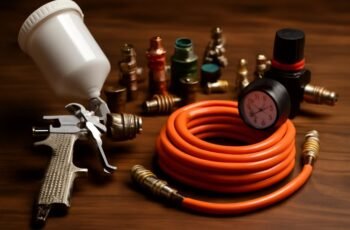
Some may assume that replacing air compressor accessories is unnecessary or merely routine, but neglecting this maintenance can compromise performance and safety. Proper selection and timely replacement of filters, seals, and gauges are critical for optimal operation and longevity. Understanding the specific needs of your compressor and the role of each accessory helps prevent costly downtime. We’ll explore how to identify, select, and maintain these components to ensure your equipment runs reliably and efficiently.
Key Takeaways
- Verify compatibility with your compressor model before selecting replacement accessories.
- Regularly inspect and replace filters, seals, and gauges to maintain optimal performance.
- Follow manufacturer guidelines for installation, lubrication, and maintenance routines.
- Use high-quality, approved parts to reduce wear, noise, and contamination risks.
- Keep accessories stored in a clean, dry environment to prolong their lifespan and ensure safety.
Understanding the Importance of Replacement Air Compressor Accessories
Have you ever considered how essential replacement accessories are to the overall performance and longevity of an air compressor? These components directly influence key factors like noise levels and maintenance routines. Properly selected replacement parts, such as filters and seals, ensure optimal airflow and prevent contamination, which can lead to increased wear and reduced efficiency. Maintaining low noise levels is critical for operational safety and worker comfort, and replacing worn accessories helps achieve this. Regularly updating these parts simplifies maintenance routines, reducing downtime and preventing costly repairs. By understanding the importance of these accessories, we can improve compressor reliability and extend its service life, ensuring it operates at peak efficiency with minimal disruptions.
Common Types of Replacement Accessories and Their Functions
Various replacement accessories play a crucial role in maintaining the efficiency and reliability of air compressors. Replacement filters are essential for removing contaminants from intake air, ensuring optimal compressor performance. Oil seals prevent leaks and protect internal components from contamination and wear, extending equipment lifespan. Accessories compatibility is vital; selecting compatible parts guarantees proper fit and function, reducing downtime. Replacement gauges provide accurate pressure readings, facilitating precise system monitoring and diagnostics. Other common accessories include safety valves and couplings, which enhance operational safety and connectivity. Proper selection and timely replacement of these accessories ensure the compressor operates efficiently, reduces maintenance costs, and prevents unexpected failures. Accurate understanding of these components is fundamental to effective compressor management.
How to Choose the Right Replacement Accessories for Your Compressor
How can we ensure we select the correct replacement accessories for our compressor? First, verify compatibility with your specific model, referencing the manufacturer’s specifications. When choosing replacement lubrication, ensure it meets the recommended viscosity and type for optimal engine performance and longevity. Proper lubrication reduces wear and prevents overheating. Additionally, prioritize power cord safety by inspecting for proper insulation, grounding, and compliance with safety standards. Using the correct replacement parts minimizes the risk of electrical faults or malfunctions. Always consult the compressor’s manual to confirm specifications for accessories. Precise selection based on manufacturer guidelines guarantees safe, efficient operation, extending the lifespan of your compressor and maintaining optimal performance.
Installing and Maintaining Replacement Air Compressor Parts
Installing and maintaining replacement air compressor parts requires careful adherence to manufacturer instructions to ensure safety and optimal performance. Proper installation aligns with established repair schedules, minimizing downtime and preventing premature failures. Regular maintenance involves inspecting parts for wear, cleaning components, and ensuring secure connections to maintain efficiency. Adhering to warranty coverage guidelines is crucial; improper installation can void warranties, risking additional costs.
- Follow manufacturer-specific installation procedures precisely
- Schedule inspections based on recommended repair timelines
- Use approved tools and replacement parts
- Document maintenance activities for warranty compliance
Signs You Need to Replace Your Air Compressor Accessories
Monitoring your air compressor for reduced performance, excessive air leaks, or unusual noise and vibration can indicate component deterioration. These signs often point to the need for replacing accessories to maintain efficiency and safety. Recognizing these indicators promptly helps prevent further equipment damage and operational downtime.
Reduced Performance Levels
Have you noticed a decline in your air compressor’s efficiency or output? Reduced efficiency and diminished performance often indicate that accessory components may need replacement. Signs include inconsistent air pressure, increased operational noise, longer cycle times, and frequent pressure drops. These issues can stem from worn or damaged filters, degraded valves, or compromised regulators, all contributing to reduced airflow and system strain. Addressing these signs promptly ensures optimal performance. Regular inspection of accessories helps identify early deterioration, preventing costly repairs and downtime. When performance issues persist despite maintenance, replacing worn accessories becomes necessary to restore system reliability and efficiency. Staying vigilant allows us to maintain consistent airflow, minimize energy consumption, and prolong the lifespan of the compressor.
Excessive Air Leaks
How can you tell if your air compressor accessories are causing excessive air leaks? Signs include a noticeable drop in pressure, increased energy consumption, and inconsistent operation. To diagnose, monitor pressure gauges during operation; persistent drops indicate leaks. Visual inspection for damaged or loose fittings is essential. The following table outlines key indicators:
| Indicator | Diagnostic Approach | Repair Strategy |
|---|---|---|
| Continuous pressure loss | Check for hissing sounds or visible leaks | Replace worn or damaged fittings |
| Increased power usage | Measure energy consumption over time | Tighten connections or replace seals |
| Inconsistent airflow | Use soap solution on fittings to detect leaks | Repair or replace faulty accessories |
Addressing excessive leaks promptly prevents efficiency loss, and targeted repair strategies are vital for maintaining optimal compressor performance.
Unusual Noise or Vibration
Unusual noise or vibration from your air compressor often signals that an accessory may be failing or improperly installed. These vibration issues can indicate worn bearings, loose components, or misaligned pulleys. Persistent unusual noise may also stem from damaged valves or failing motor mounts. It’s critical to identify the source early to prevent further damage.
Signs include:
- Excessive rattling or banging sounds during operation
- Persistent shaking or instability in the compressor
- Increased noise levels compared to normal operation
- Visible or audible misalignment of moving parts
Addressing these issues promptly ensures optimal performance and safety. Regular inspection of accessories and quick replacement of worn parts can mitigate vibration issues and reduce the risk of compressor failure.
Cost Considerations and Budgeting for Replacement Parts
When planning for replacement air compressor accessories, assessing cost considerations and establishing a clear budget are essential steps to ensure operational efficiency and financial stability. Effective cost budgeting involves analyzing the anticipated expenses for parts procurement, including the price of high-quality components versus OEM replacements. It’s crucial to consider the long-term value, balancing initial costs with durability and maintenance savings. Accurate budgeting helps prevent unexpected expenses and minimizes downtime caused by delayed replacements. We recommend obtaining multiple quotes from suppliers and evaluating warranty options to optimize cost efficiency. By carefully managing these factors, you can maintain optimal compressor performance while controlling expenditure. This strategic approach ensures that replacement parts fit within your financial framework without compromising quality or operational reliability.
Tips for Extending the Lifespan of Your Air Compressor Accessories
Ever wondered what steps can considerably extend the lifespan of your air compressor accessories? Proper maintenance and informed usage are essential. Regularly inspect and replace filters to prevent dust buildup, which can cause unnecessary wear. Lubricate moving parts according to manufacturer specifications to reduce friction and heat. Avoid off-topic discussions about unrelated topics that might lead to improper handling or neglect. Store accessories in a clean, dry environment to prevent corrosion. Additionally, avoid sudden pressure fluctuations that can stress components. Adhering to these practices ensures optimal performance and durability.
- Conduct routine inspections and cleanings
- Follow manufacturer lubrication schedules
- Store accessories in controlled environments
- Limit exposure to extreme pressures and temperatures
Frequently Asked Questions
How Often Should I Replace My Air Compressor Accessories?
We recommend inspecting your air compressor accessories regularly, replacing them based on replacement timing and accessory lifecycle to ensure optimal performance and safety. Typically, filters and hoses should be checked every few months, replaced as needed.
Are Aftermarket Replacement Parts as Reliable as OEM?
We find that aftermarket replacement parts can offer comparable reliability to OEM components, but their overall reliability varies. We recommend evaluating manufacturer reputation and product specifications to ensure aftermarket parts meet OEM parity and performance standards.
Can I Upgrade Accessories for Better Compressor Performance?
Absolutely, upgrading accessories dramatically amplifies compressor performance, pushing limits beyond factory standards. Our upgrade options optimize airflow and efficiency, delivering substantial performance boosts that assure your compressor operates at peak capacity with enhanced durability and reliability.
What Safety Precautions Should I Follow During Replacement?
We follow strict safety precautions during replacement to prevent hazards, including disconnecting power, releasing pressure, wearing protective gear, and handling components carefully. This approach minimizes replacement hazards and guarantees safe, efficient accessory upgrades or repairs.
How Do I Dispose of Old or Damaged Accessories Properly?
We treat old accessories as delicate treasures, ensuring proper disposal recycling and safety handling. We carefully separate recyclable parts, follow local regulations, and prevent environmental harm, safeguarding our workspace and community from potential hazards of damaged equipment.
Conclusion
By carefully selecting and maintaining the right replacement accessories, we ensure our air compressors operate smoothly—like a finely tuned engine, delivering consistent air pressure and performance. Regular inspections and timely upgrades act as the vital arteries keeping the system alive, preventing costly breakdowns. When we prioritize quality and adherence to manufacturer guidelines, we safeguard our investment, ensuring reliable airflow flows seamlessly through every component, powering our operations efficiently and effectively for years to come.