Have we ever wondered why our air tools and pneumatic systems don’t last as long as they should, even though we run a good compressor and use quality equipment?

What This Heavy Duty High Flow In‑Line Particulate Filter Actually Does
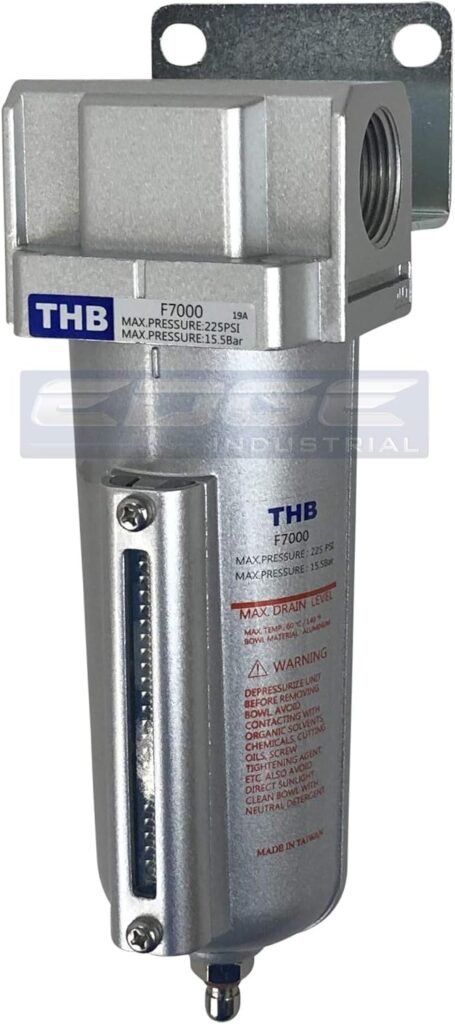
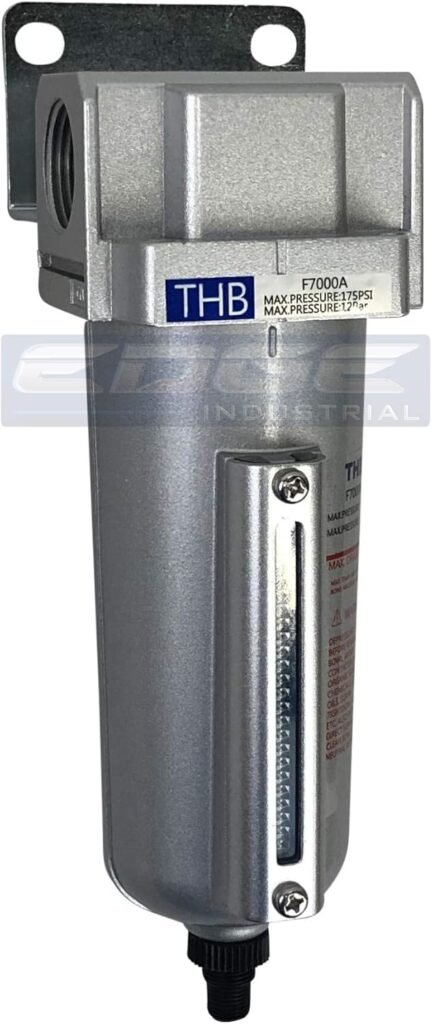
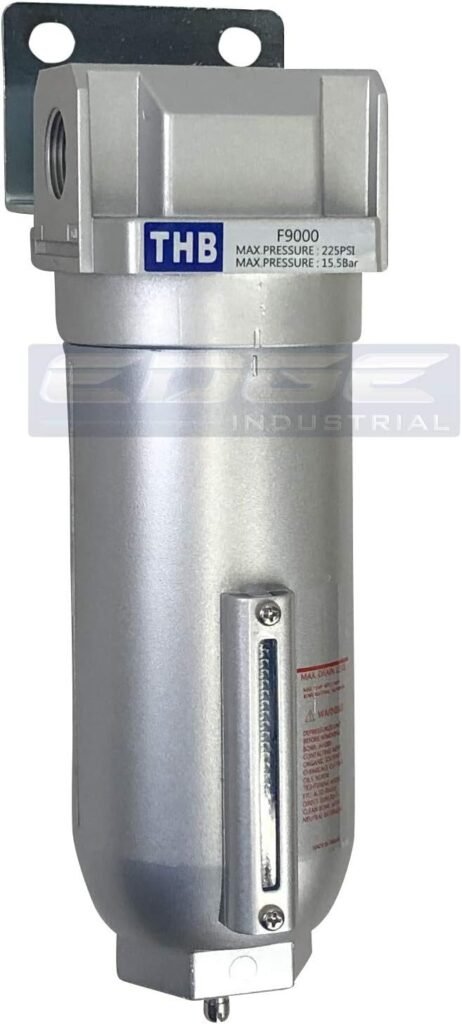
When we add the Heavy Duty HIGH Flow Compressed AIR in-LINE PARTICULATE Filter with Metal Bowl, 3/4″ NPT Ports, 140 CFM, Visible Sight Glass, 5 Micron Element to our air system, we are giving our tools and machines a serious boost in reliability. This filter stands between our compressor and our equipment, catching moisture, rust, and debris before they cause damage.
We’re essentially turning a raw, sometimes dirty compressed air stream into something much cleaner and safer for our tools, paint jobs, valves, and cylinders. That one change can dramatically affect maintenance costs and downtime.
Key Specs and Features at a Glance
Before we get into real‑world performance, it helps to see the main numbers and features in one place. These are the details that tell us where and how this filter fits best in our setup.
| Feature | Detail |
|---|---|
| Product Type | Heavy Duty In‑Line Compressed Air Particulate Filter / Moisture Trap |
| Port Size | 3/4″ Female NPT |
| Outside Thread Diameter | 1.05″ (3/4″ NPT specification reference) |
| Max Input Pressure | 250 PSI |
| Max Output Pressure | 215 PSI |
| Flow Rate | 140 SCFM (Standard Cubic Feet per Minute) |
| Bowl Material | Metal bowl (5 oz capacity) |
| Bowl Visibility | Visible sight glass window |
| Filter Element Rating | 5 micron |
| Moisture / Debris Removal Efficiency | Up to 95% moisture, debris, and contaminants |
| Mounting | Wall mounting bracket included |
| Typical Use | Shop air systems, industrial lines, automotive, painting, general air tools |
Looking at this table, we can see that this filter is built for serious airflow, not just a small home compressor. Still, it can support both professional and serious hobbyist use very comfortably.
Build Quality and Construction
When we pick up a compressed air filter, we can usually tell in a few seconds whether it’s going to hold up or not. In this case, the build tells us it’s designed for long‑term service, not single‑season use.
Heavy Duty Metal Bowl for Durability
The inclusion of a 5 oz metal bowl is a big deal. Many budget filters rely solely on plastic bowls, which can be more vulnerable to cracking, UV exposure, and impacts. With a metal bowl, we get a higher level of confidence in rougher environments.
We might occasionally knock the filter with a hose, tool, or even a piece of material in a busy shop. Knowing that the bowl is metal rather than thin plastic can mean the difference between shrugging it off and replacing the unit.
Visible Sight Glass for Quick Checks
At the same time, the filter still needs to tell us what’s going on inside. That’s where the visible sight glass comes in. Instead of removing the bowl or guessing when to drain moisture, we can simply glance at the window and see how much water and debris has accumulated.
This may seem like a small feature, but in practical use, it saves time and helps us maintain a regular draining habit. And regular draining is what keeps performance high and prevents carryover of moisture.
Rugged Housing and Threaded Ports
With 3/4″ female NPT ports and an outside thread reference diameter of 1.05″, we’re clearly in the realm of medium to larger shop systems. The housing around the bowl is stout, and the threaded ports are sized to handle both the pressure and the flow.
This combination of a solid housing and substantial threads means fewer worries about leaks, cross‑threading, or structural failure when we’re tightening fittings.

Airflow Capacity and Pressure Ratings
For any air filter, airflow and pressure handling matter just as much as filtration efficiency. We want clean air, but we don’t want our system to choke or restrict tools.
140 SCFM: Built for High Flow Systems
The 140 SCFM (Standard Cubic Feet per Minute) rating is a strong indicator of where this filter fits. We’re not dealing with a tiny filter suitable only for a small nail gun setup. Instead, this unit is meant to handle multiple tools or higher demand applications.
For reference, a single impact wrench might use around 4–6 CFM, and a large spray gun can run 10–20 CFM. With 140 SCFM capacity, this filter is well equipped for:
- Busy automotive shops running multiple tools
- Light industrial systems powering cylinders and actuators
- Larger home or hobby shops with sandblasters, grinders, and sprayers
By keeping the pressure drop low at that flow rate, we maintain better performance, more consistent torque, and smoother tool operation.
High Pressure Handling: 250 PSI Input, 215 PSI Output
The 250 PSI max input pressure and 215 PSI max output pressure tell us that this filter is suited for many commercial and industrial compressors. Some shop systems run up around 175–200 PSI; this unit can comfortably handle those ranges with safety margin.
We are not locked into low‑pressure use only. If we have a two‑stage compressor or a high‑pressure setup feeding multiple branches, this filter can be an integral part of that system without acting as a weak link.
Filtration Performance and Contaminant Removal
The most important job of this filter is to protect our tools and processes from what’s riding along with the air: water, rust particles, oil mist, and general debris.
5 Micron Filter Element: Fine Enough for Most Shop Work
With a 5 micron filter element, we’re capturing particles small enough to avoid visible specks and most damaging solids. For many general applications—air tools, cylinders, valves, and even many painting tasks—5 micron is a very good balance between protection and airflow.
We’re not at ultra‑fine coalescing filter level (which might go down below 1 micron for oil aerosols), but we’re getting a strong first line of defense that handles:
- Rust flakes from the tank
- Scale and grit in the lines
- Larger oil droplets and general dust introduced through fittings
This level of filtration dramatically reduces wear on moving parts and keeps internal components from scratching, galling, or seizing.
95% Moisture, Debris, and Contaminant Removal
The manufacturer’s claim of removing up to 95% moisture, debris, and contaminants gives us a real‑world expectation: this isn’t just a token filter. For most typical shop environments where humidity and compressor heat create condensate, this filter will intercept a large share of that moisture.
We still have to be realistic. No standard particulate filter eliminates every trace of water vapor, but by taking out the majority of liquid water and solid particles, we:
- Reduce tool corrosion
- Improve paint finishes by minimizing water spots and fisheyes
- Protect valves and regulators downstream
- Decrease sludge buildup in hoses and fittings
Many systems pair this kind of particulate/moisture trap with a downstream regulator, lubricator, or a finer coalescing filter for exceptionally sensitive tasks. As a primary line of defense, this unit does a solid job.
Installation and Setup
Getting a filter like this into our system isn’t complicated, but doing it thoughtfully will yield the best results and longest service life.
3/4″ Female NPT Ports: Flexible Integration
The 3/4″ female NPT ports make this filter compatible with most standard air piping systems, including:
- Black iron or galvanized pipe systems
- Copper systems with NPT adapters
- High‑flow 3/4″ air hoses
- Manifolds or header assemblies
Because we have female ports, we’ll typically thread male NPT nipples into each side, which can then connect to our existing piping or hoses. The 3/4″ size helps preserve flow across the filter, minimizing pressure drop.
Wall Mounting Bracket Included
The included wall mounting bracket is a practical bonus that many of us appreciate once we start setting things up. Instead of the filter dangling from hoses or stressing pipe joints, we can mount it solidly on a wall or support post.
A wall‑mounted filter has several advantages:
- Reduced stress on fittings and threads
- Easier access for draining the bowl
- Cleaner and more organized air station layout
With the bracket, we can position the filter at a comfortable height, close to a drain or container for collected moisture.
Placement in Our Air System
To get the best from this filter, we want to think about where it fits in our layout. Typically, we’ll want it:
- Downstream from the compressor and tank, not right at the compressor outlet. Allowing some pipe run between the compressor and filter helps hot air cool and more moisture condense, making it easier for the filter to capture.
- Upstream from regulators and lubricators, if we’re using an FRL (Filter‑Regulator‑Lubricator) arrangement. This filter acts as the main particulate and moisture trap before more delicate devices.
- Before critical branches, such as painting stations, CNC machines, or lines feeding sensitive valves.
By planning placement, we can often protect multiple stations with one well‑positioned filter.
Day‑to‑Day Use and Maintenance
A filter is only as good as the way we use and maintain it. Fortunately, this particular model is quite friendly to look after.
Using the Sight Glass to Monitor Moisture
The visible sight glass might be one of our favorite features for everyday use. Instead of guessing or following a fixed schedule for draining, we can:
- Glance at the window whenever we pass the station
- Notice when the fluid level gets close to the recommended max
- Drain promptly, preventing carryover into the air stream
This approach makes maintenance more intuitive. In humid weather or under heavy compressor use, we’ll quickly see moisture build up and can adjust our draining frequency accordingly.
Draining and Cleaning the Bowl
Routine draining is as important as having the filter in the first place. While the exact method can vary by specific model design, the general process is straightforward:
- Depressurize the line (or at least the downstream side) for safety.
- Open the drain at the bottom of the bowl to release collected water and contaminants.
- Inspect the sight glass again to ensure the level returned to normal.
- Periodically, remove the bowl (with pressure safely relieved) for cleaning if noticeable sludge or heavy contamination builds up.
Because the bowl is metal, we’re less concerned about cracks or damage during removal and cleaning. Still, we should avoid harsh chemicals that could attack seals or the sight window.
Filter Element Care and Replacement
The 5 micron filter element will gradually accumulate particles over time. As it loads up, we may notice:
- Increasing pressure drop across the filter
- Slightly weaker tool performance at the same regulator setting
- More frequent moisture appearing downstream if flow is severely restricted
When that happens, it’s usually time to either clean or replace the element, depending on the design. Many elements can be gently blown off with clean, dry air from the inside out (following manufacturer guidelines) to extend service life.
Setting a rough schedule—such as inspecting the element every few months in a busy shop—can prevent unexpected flow restriction.
Performance with Common Tools and Applications
To understand the practical benefits, it helps to think about how this filter behaves in actual day‑to‑day shop scenarios.
Air Tools: Impacts, Ratchets, Grinders, and Sanders
For general automotive and mechanical work, we typically run:
- Impact wrenches
- Air ratchets
- Die grinders
- Dual‑action sanders
- Cut‑off tools
These tools are sensitive to both water and grit. Without filtration, moisture can lead to internal rust, and dirt can chew up bearings and vanes. With this filter installed upstream, tools tend to:
- Maintain their torque and speed longer between services
- Require less internal cleaning and lubrication
- Suffer fewer sticking and icing issues in cold or damp environments
The 140 SCFM capacity ensures that even when multiple tools are in use, the filter will not dramatically choke off airflow.
Spraying and Painting: Cleaner Finishes
Painting and spraying operations are particularly vulnerable to moisture and contaminants in the air. Water in the line can cause:
- Blushing or hazy finishes
- Fisheyes and craters in automotive paint
- Poor adhesion or rough textures
With a 5 micron element and strong moisture removal efficiency, this filter makes a noticeable difference in finish quality. For extremely demanding finishes (such as high‑end automotive work), many of us might add a secondary fine coalescing filter or desiccant system downstream. However, even as a first stage, this unit significantly reduces the risk of obvious moisture defects.
Pneumatic Cylinders, Valves, and Automation
In industrial or workshop automation, we often depend on:
- Air cylinders
- Directional control valves
- Solenoid valves
- Air‑driven actuators
Contaminated air leads directly to seal wear, stick‑slip movement, and failure. With this filter in place, we:
- Protect seals from abrasive particles
- Reduce sludge or emulsion buildup inside components
- Improve reliability and repeatability of cylinder motion
Over time, these benefits translate into longer component life and fewer unplanned stops.
Where This Filter Really Shines
Every product has its sweet spot—conditions and setups where it performs especially well and offers great value.
High Flow, Medium‑to‑Large Shop Systems
Because of the 140 SCFM flow rating and 3/4″ NPT ports, this filter is a natural fit in:
- Full‑size automotive or truck shops
- Fabrication and welding shops with multiple air stations
- Woodworking shops running sanders, blow‑offs, and spray guns
- Industrial lines feeding multiple branches
Instead of setting up several small filters at every outlet, we can install this unit as a main filter on a trunk line and provide reasonably clean air to multiple zones.
Environments Prone to Moisture and Rust
In regions with high humidity or older compressed air systems with rusty tanks and lines, this unit offers strong protection. The 95% moisture and debris removal capability means we’re catching the worst of what would otherwise end up in our tools.
Shops that frequently see rapid compressor cycling, frequent tank draining, and high humidity will appreciate having a filter robust enough to handle that moisture load.
Users Who Value Visual Feedback
The visible sight glass is particularly useful for users who like to keep a close eye on system health. If we tend to walk the shop, check gauges, and listen for leaks, the sight glass fits right into that routine.
We can treat the moisture level as a real‑time indicator of how hard our system is working and how much water our compressor is generating at different times of year.
Potential Limitations and Considerations
To be fair and realistic, we should also consider where this filter might not be ideal or where we might need additional components.
Not a Complete Air Treatment System
While this filter does a strong job as a particulate and moisture trap, it’s not a full air treatment system on its own. For certain sensitive applications, we might still need:
- A coalescing filter downstream for very fine oil and aerosol removal
- A desiccant dryer if we require extremely dry air (such as for some instrumentation or high‑end finishing)
- A regulator to control pressure to specific tools or stations
So, we can view this unit as an essential first stage, not the entire solution for every use case.
Best Suited for 3/4″ or Larger Systems
The 3/4″ NPT ports and 140 CFM rating make the filter a bit overkill for a very small, occasional‑use compressor with 1/4″ or 3/8″ hoses only. We can still adapt it down, but:
- We may be paying for capacity we’ll never use
- The physical size may feel large relative to a small portable compressor
For those very small setups, a compact 1/4″ or 3/8″ filter might be more convenient, even if less robust.
Requires Regular Draining and Inspection
Like any moisture trap, this filter needs regular draining. If we tend to forget about maintenance entirely, no filter will save us from eventual carryover. The visible sight glass helps, but we still need to act on what we see.
Thankfully, this is more of a habit issue than a technical limitation, and once we get into the routine, upkeep becomes second nature.
Comparing to Typical Low‑End Filters
Many of us start with low‑cost, small filters packaged with consumer compressors. Comparing those to a unit like this helps us understand what we gain by upgrading.
Bowl Material and Capacity
- Low‑end filters: Often have small plastic bowls with limited capacity, making them easy to overfill and more prone to impact damage.
- This filter: Uses a 5 oz metal bowl, offering more resistant construction and more room for collected moisture before draining is required.
With more capacity, we’re not running to the filter every few minutes, and the metal construction gives us more peace of mind.
Flow and Pressure Handling
- Low‑end filters: Frequently limited to lower flow rates (20–60 CFM) and modest pressure ratings, making them marginal for busy shops.
- This filter: Offers 140 SCFM and up to 250 PSI input, making it suitable for demanding, multi‑tool use.
This difference is especially clear when we ask several air tools to run at once or when we make heavy use of high‑consumption tools like sandblasters.
Filtration Efficiency and Real‑World Protection
- Low‑end filters: Often have coarser elements that let more fine particles and moisture slip through, which still wears out tools and mars finishes.
- This filter: Provides 5 micron filtration, capturing a wide range of damaging contaminants and a high percentage of moisture.
Over months and years, better filtration shows up as fewer tool failures, better paint jobs, and less internal gunk in lines and regulators.
Best Practices for Getting the Most Out of This Filter
To justify the investment and extend the life of our system, it helps to adopt a few good practices around this filter.
Plan the Piping and Drainage
We can make our lives easier by:
- Installing the filter where we have room to work around it
- Positioning it near a drain or container to catch drained moisture
- Using rigid pipe where possible to reduce stress on the filter body
This way, maintenance tasks like draining and inspecting become quick and painless.
Make Visual Checks Part of Our Routine
Since we have a visible sight glass, we can add a few seconds to our daily routine:
- Walk past the filter when starting the day
- Check the sight glass during breaks or when shutting down
- Drain whenever the level is clearly accumulating
These quick visual checks do more to preserve air quality than any rigid calendar schedule could.
Combine with Downstream Regulators and Accessories
To create an efficient, user‑friendly station, we can pair this filter with:
- A pressure regulator for consistent tool pressure
- A lubricator if our tools benefit from mist lubrication
- A secondary fine filter if we carry out critical painting or instrumentation work
In this arrangement, the Heavy Duty HIGH Flow filter handles the heavy lifting of debris and moisture removal, while downstream devices fine‑tune air quality and pressure.
Who Will Appreciate This Filter the Most?
Different users will value different aspects of this product, but some stand out as prime candidates.
Professional and Semi‑Professional Shops
Automotive garages, fabrication shops, and small industrial facilities will appreciate:
- The high flow capacity for multiple users
- The solid metal construction for rough environments
- The pressure ratings compatible with larger compressors
In these settings, clean, reliable air is not a luxury; it’s part of staying productive and avoiding expensive downtime.
Serious DIYers and Hobbyists with Larger Compressors
If we run a 60‑ or 80‑gallon compressor at home, perhaps with:
- A small paint booth
- A sandblasting cabinet
- Air tools for restoration or fabrication
then this filter is a strong upgrade from entry‑level options. We benefit from cleaner air and a more “professional” infrastructure in our home shop.
Users Scaling Up from Small Compressors
Some of us start small and then move up to more capable systems over time. When we upgrade our compressor, it makes sense to upgrade filtration as well. This filter makes a logical central piece when we move from a single portable compressor to a fixed, piped‑in air system.
Overall Value and Long‑Term Benefits
When we ask whether this filter is “worth it,” we’re really asking if the benefits outweigh the cost and effort to install and maintain it.
Reduced Tool Wear and Replacement Costs
Cleaner, drier air directly extends tool life. If we think about the cost of:
- Replacement impact wrenches
- Rebuilding pneumatic cylinders
- Replacing valves and regulators
it quickly becomes clear that an effective particulate and moisture filter can pay for itself over time.
Better Results in Paint and Finishing
If part of our work involves painting, coating, or finishing, then the value also shows up in fewer defects and rework jobs. Reduced water and particulate contamination means:
- Fewer ruined panels or parts
- Less paint waste
- A more consistent, professional finish
That can be especially important when we’re working for paying clients or producing parts to sell.
Greater Confidence in Our Air System
Finally, there’s the ongoing peace of mind that comes from knowing we’ve taken a major step to protect our air system. With robust construction, strong flow capabilities, and visible monitoring through the sight glass, we can trust the air leaving this filter far more than what comes straight from an unprotected tank.
Final Thoughts on the Heavy Duty High Flow In‑Line Filter
Putting everything together, we see this Heavy Duty HIGH Flow Compressed AIR in-LINE PARTICULATE Filter with Metal Bowl, 3/4″ NPT Ports, 140 CFM, Visible Sight Glass, 5 Micron Element as a serious, work‑ready component for anyone who values clean, reliable compressed air.
We get:
- High flow capacity (140 SCFM) and strong pressure ratings (250 PSI input, 215 PSI output)
- A durable 5 oz metal bowl with a convenient visible sight glass
- Effective 5 micron filtration that removes up to 95% of moisture, debris, and contaminants
- Practical installation options thanks to 3/4″ NPT ports and an included wall mounting bracket
By installing this filter as a primary moisture and particulate trap, we protect our tools, improve our finishes, and strengthen our entire air system. For shops and serious users looking to step up from basic, disposable filters, this unit offers a well‑balanced combination of performance, durability, and everyday usability.
Disclosure: As an Amazon Associate, I earn from qualifying purchases.