Have we been looking for a serious air compressor that can comfortably handle both busy workshop duties and more precise tasks like spraying or airbrushing?

Why We Think the SIP Airmate B3800/270 Matters
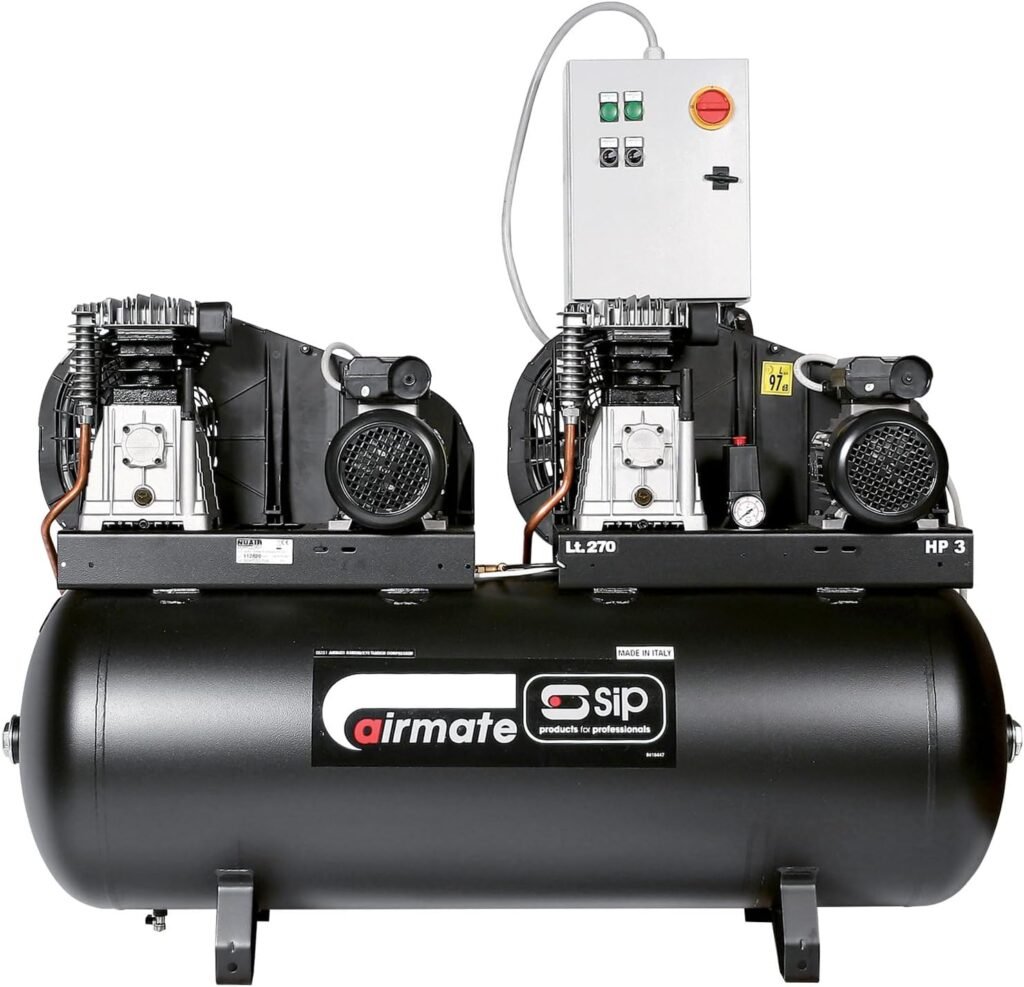
When we invest in an air compressor, we’re not just buying a machine; we’re buying reliability for our tools, projects, and deadlines. The SIP Airmate B3800/270 Tandem Belt Drive Air Compressor steps firmly into that role as a heavy-duty, workshop-ready unit that can handle demanding air requirements.
We see this model as a core piece of equipment for anyone working in garages, workshops, and light industrial environments where consistent airflow and long duty cycles really count.
Key Specifications at a Glance
Sometimes the technical details feel overwhelming, so we like to break them down clearly. This compressor packs some significant power and capacity into a robust, workshop-ready format.
Here is a quick reference overview:
| Feature | Specification |
|---|---|
| Product Name | SIP Airmate B3800/270 Tandem Belt Drive Air Compressor |
| Power Supply | 230V, 32A single phase |
| Motor Configuration | 2 x 3hp / 2.2kW (tandem) |
| Total Motor Power | 6hp / 4.4kW |
| Air Tank Capacity | 270 litres |
| Maximum Pressure | 145 psi / 10 bar |
| Free Air Delivery (FAD) | Up to 32 CFM (cubic feet per minute) |
| Drive Type | Belt-driven |
| Lubrication | Oil-lubricated |
| Application Range | Industrial, trade, professional, garage, workshop |
| Typical Uses | Air tools, paint spraying, air guns, airbrushing, general workshop operations |
We find that having these essentials in a simple table makes it easier to judge whether this compressor fits our specific needs and existing electrical setup.
Power and Performance
A compressor lives or dies on its performance, and this one has clearly been built to supply serious airflow. The tandem motor configuration is central to how it behaves under load.
Twin 3hp Motors: What That Means for Us
With two 3hp (2.2kW) motors, we are effectively harnessing 6hp of power. This is a big step up from smaller single-motor hobby units. It translates into stronger, more sustained airflow for multiple air tools or continuous-use tools.
We can run more demanding equipment without the compressor constantly struggling to catch up, which is a huge plus in a busy workshop schedule.
32CFM Air Delivery: Real-World Implications
The stated 32CFM means we are getting a healthy volume of air at working pressure, ideal for tasks demanding steady flow. For context, many mid-size workshop tools require between 5–15CFM; this compressor comfortably beats that, leaving headroom.
In practice, that means reduced waiting time for the tank to refill and better support for longer tasks like spraying, grinding, and extended wrenching.
Tank Capacity and Pressure
The tank and pressure ratings dictate how smoothly and consistently we can work. This is where the 270L capacity and 145 psi / 10 bar rating stand out together.
270-Litre Tank: Capacity for Continuous Work
A 270-litre tank is quite substantial. It serves as a buffer, so our tools receive a consistent supply even during longer tasks or when several tools are in use.
Instead of the compressor constantly cycling on and off, we can work for longer bursts before the motors need to cut in again. This contributes both to comfort and to long-term durability.
145 psi / 10 Bar: Versatility Across Tasks
With 145 psi / 10 bar available, we can handle a wide spread of applications. Many tools and spray systems operate anywhere between 70–120 psi, so this compressor allows us to tune down to the exact requirements while still having overhead.
This extra pressure capacity also supports uses where more force is needed, such as impact tools and certain industrial air systems.
Belt Drive System
The drive system influences noise level, longevity, and how the power is transferred from the motor to the pump. A belt-driven configuration is a deliberate choice for workshop users.
Why Belt Drive Is a Smart Choice
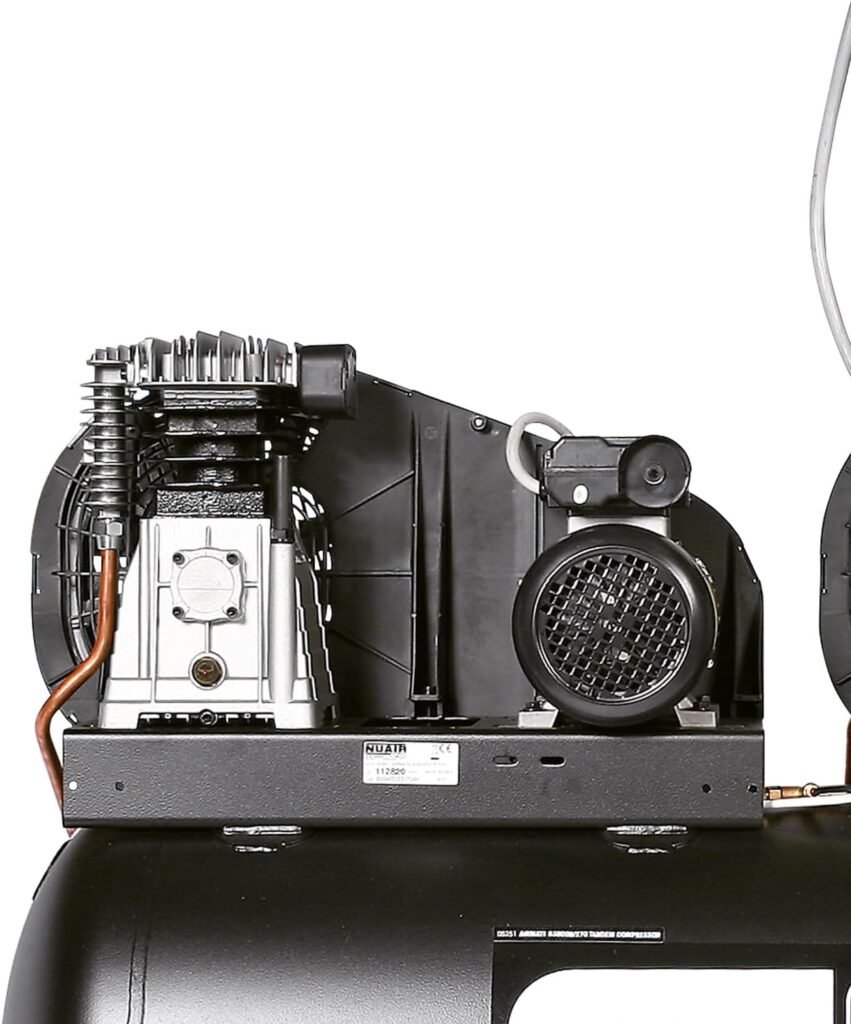
With a belt drive, the motors turn a pulley that drives the compressor pump at a controlled speed. This arrangement usually leads to smoother operation, less direct strain on the motor, and the ability to optimize pump speed for performance and life span.
We appreciate that this also helps keep vibration down and generally supports quieter running compared to many direct-drive, high-speed units.
Noise, Vibration, and Comfort
While we should not expect a large industrial-style compressor to be whisper-quiet, belt drive tends to reduce harsh noise and abrupt vibrations. Over a full day in the workshop, this makes a difference.
Our ears and our team will thank us for choosing a machine that runs with more refinement, especially when compressing air at higher output levels.

Oil-Lubricated Design
The lubrication method affects efficiency, longevity, and the quality of air we get out of the compressor. Here, we are dealing with an oil-lubricated machine, which suits professional and industrial environments well.
How Oil Lubrication Works in This Compressor
Oil-lubricated compressors use an oil mist within the compression chamber to reduce friction and carry away heat. After the compression stage, the oil is separated from the air, ensuring that the output air remains clean enough for general use.
This approach helps keep moving parts running smoothly and extends the life of critical components like pistons and cylinders.
Efficiency, Cooling, and Component Life
By using oil to reduce friction and dissipate heat, the compressor can operate more efficiently and for longer periods without overheating. In turn, this lowers wear and tear, particularly important for a unit designed to handle professional workloads.
We can think of it as preventative care built into the design; if we keep the oil clean and at the right level, the compressor will reward us with more years of service.
Build Quality and Durability
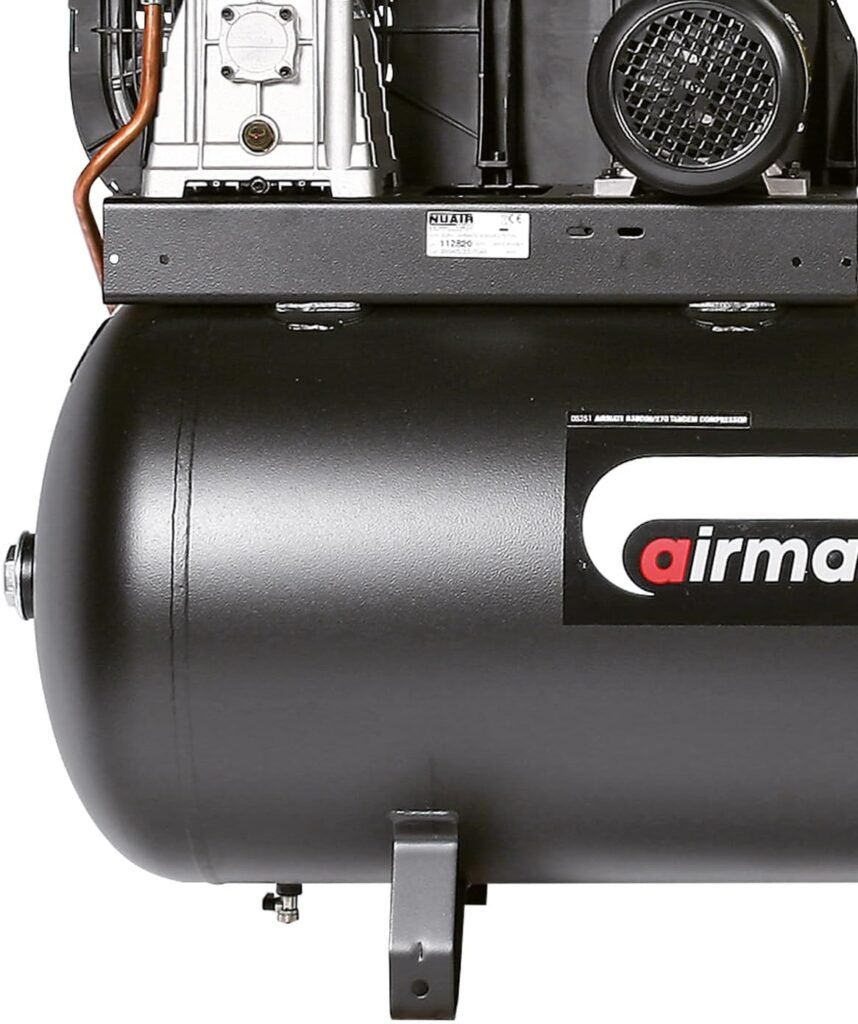
For industrial-grade equipment, build quality is not a luxury, it is a requirement. The SIP Airmate B3800/270 is positioned as a robust, heavy-duty machine.
Industrial-Grade Construction
The heavy tank, metal components, and overall frame are all clearly intended for workshop and trade environments. This is not marketed as a lightweight, portable hobby compressor; it is more at home bolted down in a dedicated workspace.
We can expect it to cope with the usual knocks, occasional bumps from equipment, and the general hustle of a busy garage or small industrial unit.
Suitability for Professional, Trade, and Industrial Use
SIP presents this compressor as capable of supporting industrial, trade, and professional applications. That means we are not limited to occasional weekend use; we can integrate it into daily workflows.
For those of us who rely on air tools and spraying systems for business, a compressor of this calibre offers reassurance that it will keep up.
Usability and Everyday Operation
Performance is one thing, but how easy the compressor is to work with day-to-day is just as important. The B3800/270 includes practical design choices that simplify operation and maintenance.
Controls, Gauges, and Everyday Handling
We typically get standard features such as pressure gauges, a pressure regulator, and clearly accessible valves. While details vary across configurations, SIP generally lays things out in a user-friendly way.
We can monitor system pressure, adjust to suit our tools, and shut the system down safely without needing to wrestle with awkward controls.
Setup and Power Requirements (230V, 32A)
One key detail we must not ignore: this unit requires a 230V, 32A supply. That means we need an appropriate circuit and socket, often found in more serious workshops or industrial settings.
Before ordering, we should confirm that our electrical infrastructure can support this load safely. If necessary, we may need an electrician to install the correct outlet and breaker.
Applications and Use Cases
The beauty of a high-capacity compressor like this lies in its flexibility. We can support a wide spread of tools and tasks from the same central machine.
Garage and Workshop Tasks
In a typical garage or workshop, we might use this compressor for:
- Impact wrenches and ratchets
- Tyre inflation and air blow guns
- Air grinders, sanders, and chisels
- Nailers and staplers in carpentry or construction projects
Having 32CFM on tap and a 270L tank means we can handle several of these tasks back-to-back without extended downtime.
Paint Spraying and Finishing
For paint spraying, consistent airflow and pressure are critical to achieving an even finish. This compressor’s large tank and strong output allow:
- Automotive bodywork spraying
- Workshop paint jobs on panels, gates, and machinery
- Lacquer and clear coat applications
We can operate spray guns that require steady, mid-range pressures without worrying about the compressor constantly lagging and causing pattern inconsistencies.
Airbrush and Precision Work
Although the unit might look oversized for airbrushing, the ability to regulate pressure means we can still use it for finer tasks:
- Detailed airbrush artwork
- Model and small component painting
- Controlled low-pressure cleaning
Where we need very stable, low airflows, a regulator and moisture trap will help us fine-tune the output so that even a large compressor behaves well for small-scale jobs.
Not Just a “Mini” Compressor
The manufacturer makes a point of stressing that this is not just another mini compressor. That distinction really matters when we think about long-term workloads.
Heavy-Duty vs. Light-Duty Models
Smaller, “mini” compressors are fine for short bursts and lighter tasks. However, they often overheat, struggle with sustained flow, and can’t support multiple tools effectively.
This SIP Airmate model is clearly designed for heavier cycles and more serious, repeated use. We are buying into a different category of machine.
What Sets It Apart in Real Use
Where a lighter unit might need frequent cooling breaks or lack the pressure for heavier tools, the B3800/270 offers more:
- Longer continuous operation windows
- Better pressure stability under load
- Higher compatibility with industrial-grade pneumatic tools
For anyone who has pushed a small compressor to its limit and felt the frustration, this represents a significant upgrade.
Maintenance and Care
As with any oil-lubricated compressor, a little regular care goes a long way toward preserving performance and reliability.
Routine Maintenance We Should Expect
Typical tasks will include:
- Checking and topping up compressor oil
- Draining condensation from the tank regularly
- Inspecting belts for wear and correct tension
- Checking filters and replacing them as needed
None of these are complicated, but they do require discipline. Building them into our weekly or monthly workshop routine will help prevent expensive problems down the line.
Long-Term Reliability
With proper maintenance, oil-lubricated, belt-driven compressors have an excellent track record for longevity. The robust construction of this SIP Airmate suggests that the design expects many years of service.
In other words, we can treat it as a long-term asset rather than a disposable tool.
Pros and Cons
No machine is perfect for absolutely everyone. We find it useful to be candid about both the strengths and the limitations.
What We Really Like
Some standout positives for this compressor include:
- High airflow (32CFM) suitable for heavy and multiple tool use
- Large 270L tank for consistent and stable air supply
- Tandem 2 x 3hp motors delivering a total of 6hp
- Oil-lubricated, belt-driven design for efficiency and durability
- Capable of industrial, trade, and professional workloads
- Versatile applications, from paint spraying to general workshop tasks
These advantages make it an appealing choice for demanding users and busy environments.
Where It May Not Suit Everyone
We should also keep in mind a few limitations:
- Requires 230V, 32A supply, which not every space has available
- Physically large and heavy, so it is not ideal for frequent moving
- Oil-lubricated, so it needs routine maintenance and is not “maintenance-free”
- Overkill for casual hobbyists, especially those doing only very light tasks
If we only need to inflate the occasional tyre or run a small nail gun once a month, this compressor could be more than we practically need.
Who This Compressor Is Best For
Matching the machine to the user is crucial. This model clearly targets a particular audience.
Professional Workshops and Garages
For professional mechanics, body shops, and busy multi-bay garages, this compressor makes a lot of sense. The airflow and capacity support:
- Constant use of impact tools and ratchets
- Painting and finishing work
- General cleaning and maintenance tasks
We can operate a wider range of tools without running into constant air shortages.
Trade and Light Industrial Users
Fabricators, small manufacturing outfits, and trade users (such as joiners, metalworkers, and construction workshops) will also find it attractive. The compressor can power:
- Air grinders, drills, and sanders
- Staplers and nailers in production lines
- Blow-off and cleaning systems for machinery
For businesses that rely on air as part of everyday operations, a compressor like this becomes central to productivity.
Serious Enthusiasts and Advanced Hobbyists
There are also advanced DIYers and enthusiasts who maintain their own vehicles, carry out home restorations, or run serious workshop spaces. For those of us in that category, the SIP Airmate offers room to grow.
Even if we do not use its full capacity every day, we know we can take on bigger projects without needing to upgrade again soon.
Practical Considerations Before Buying
Before committing to a compressor of this scale, we should make sure that it fits into our space and our workflow.
Space, Ventilation, and Installation
We will need:
- Enough floor space for the tank and frame
- Adequate ventilation around the unit to dissipate heat
- A stable, level surface, ideally with some isolation from delicate equipment due to vibration
Some workshops choose to install larger compressors in a dedicated corner or small plant room to reduce noise and keep them out of main working areas.
Electrical Supply and Safety
Having a 230V, 32A circuit is non-negotiable. We must:
- Confirm that our building wiring supports this load safely
- Consider using a qualified electrician for any new wiring or sockets
- Make sure protective devices (breakers, RCDs) are suitable and compliant
Safety does not end with wiring; we should also ensure the compressor is properly grounded and operated according to regulations and manufacturer guidance.
Comparing to Smaller Compressors
It can help to think about what happens if we choose a smaller or lighter machine instead. This highlights whether we truly need a compressor of this scale.
Performance Differences We Will Notice
Against smaller units (e.g., 24–100L tanks with 2–3hp motors), we will likely observe:
- Much faster recovery times with the SIP Airmate
- The ability to run more air-hungry tools without drop-off
- Less risk of overheating during longer sessions
Once we get used to the headroom a large compressor gives us, it becomes easy to see why professionals rarely go back to lighter equipment.
When a Smaller Unit Might Still Be Better
We should remember that a big compressor is not always the right choice:
- In small sheds or home garages with limited power
- For users who rarely use air tools and only need occasional inflation
- In situations where constant relocation and portability are more important than raw output
If our main use is topping up tyres and occasionally blowing dust off surfaces, a compact portable model may actually be more convenient.
Working With Different Air Tools
One of the main attractions of this compressor is how many tools it can support. Let’s look at a few examples and how they fit within its capabilities.
Impact Wrenches, Ratchets, and Automotive Tools
Most automotive air tools are comfortably within reach of this compressor’s capabilities. Typical figures:
- 1/2″ impact wrench: approx. 4–6CFM
- Air ratchet: around 4–5CFM
- Air hammer/chisel: often 4–8CFM
With 32CFM available, we can run one or more of these tools concurrently, or run a single tool continuously without the compressor falling behind too quickly.
Sanding, Grinding, and Cutting
Air sanders and grinders tend to draw more air, sometimes 8–15CFM per tool in continuous use. Here, the SIP Airmate’s strong performance and large tank become especially valuable.
We can undertake tasks such as:
- Surface preparation for automotive paintwork
- Metal grinding and finishing
- Cutting with air-powered saws and cutters
These operations place a sustained load on the compressor, so having this capacity makes the experience smoother.
Spraying and Finishing Tools
Paint guns vary, but many require 8–12CFM at moderate pressures. Once again, the 32CFM output and 270L tank create margin for consistent spray patterns and even coverage.
We are less likely to see pulsing or pressure dips that can spoil fine finishes, especially when spraying automobiles or large panels.
Managing Moisture and Air Quality
With all compressors, moisture is a factor, particularly for paint and delicate pneumatic systems. This unit is no exception, so a few add-ons and habits will help us maintain air quality.
Condensation and Tank Draining
As the compressor runs, moisture condenses inside the tank. Over time, this builds up and can cause corrosion or feed into our airlines.
Regular draining via the tank valve is essential. We should:
- Drain at least daily in heavy use environments
- Open the valve slowly, with eye and ear protection
- Ensure the tank is depressurized appropriately before maintenance
This simple step protects both the compressor and our tools.
Filters, Regulators, and Dryers
To achieve the cleanest possible air—especially for painting or airbrushing—we may want:
- An inline moisture trap or water separator
- A pressure regulator near the point of use
- Additional filters for oil vapour and fine particulates
These components ensure that the air reaching our tools is as clean and dry as possible, which is crucial for finishes and for the longevity of sensitive pneumatic equipment.
Cost vs. Value
While we are not discussing specific pricing, we can consider the kind of value this compressor brings to our workshop.
Investment in Capability
The SIP Airmate B3800/270 is clearly an investment-level piece of machinery, not an impulse purchase. However, when we consider:
- The extended range of tools we can run
- The reduction in downtime
- The increased reliability for business operations
…the value becomes much clearer. For professional users, this compressor can quickly pay for itself by enabling faster, more reliable work.
Long-Term Ownership Benefits
Because the compressor is built with longevity in mind, we are spreading our investment over many years rather than treating it as short-term equipment.
By keeping up with basic maintenance and ensuring proper operating conditions, we set ourselves up for a long service life and fewer unplanned replacements.
Our Overall Assessment
After looking at power, capacity, construction, and real-world usability, we can form a clear picture of where the SIP Airmate B3800/270 stands.
We see it as a robust, high-capacity, workshop-ready compressor that squarely targets professionals, trade users, and serious enthusiasts who need dependable, sustained airflow.
Final Thoughts: Is the SIP Airmate B3800/270 Right for Us?
If we are running a busy workshop, garage, or small industrial space, and we need a compressor that can keep pace with multiple tools, frequent paint spraying, and continuous workloads, the SIP Airmate B3800/270 Tandem Belt Drive Air Compressor is a compelling candidate.
We gain:
- 6hp of tandem-motor power
- 32CFM airflow
- A generous 270L tank
- Oil-lubricated, belt-driven reliability
- Suitability for industrial, trade, and professional use
On the other hand, if our air use is light, our space is limited, or our power supply cannot provide 230V at 32A, then this machine may be more than we realistically need.
In summary, for those of us who require a dependable, heavy-duty compressor that can form the backbone of a serious workshop setup, the SIP Airmate B3800/270 offers the kind of power, capacity, and durability that justifies its position as a professional-level choice.
Disclosure: As an Amazon Associate, I earn from qualifying purchases.