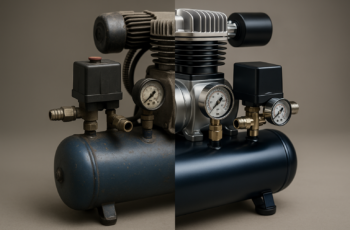
Many overlook the fact that selecting the right air compressor isn’t just about tank size or power but about matching specific technical specs to your nail gun’s requirements, which can greatly impact performance and safety. Understanding the nuances of CFM, PSI, and compressor type can prevent costly mistakes and downtime. To make certain your setup is both efficient and reliable, it’s essential to evaluate these details carefully—so let’s explore what truly matters in choosing the best nail gun air compressor for your projects.
Key Takeaways
- Match compressor specifications (CFM, PSI, tank size) to your specific nail gun type for optimal performance.
- Consider noise levels and choose quieter models for a safer, more comfortable workspace.
- Prioritize safety features like pressure regulators and automatic shut-off for reliable operation.
- Ensure proper maintenance routines, moisture control, and storage practices to extend compressor lifespan.
- Select portable, lightweight units with ergonomic handles for easier maneuvering on job sites.
How to Choose the Right Type of Air Compressor for Your Nail Gun
Choosing the appropriate type of air compressor for your nail gun depends on understanding the specific requirements of your projects and the characteristics of different compressor models. Different nail gun types, such as framing, finish, or brad nailers, demand specific compressor features. For instance, framing nailers often require larger tanks and higher CFM output, whereas finish nailers need more precise, steady pressure. When selecting a compressor, consider reputable compressor brands known for durability and consistent performance, like Campbell Hausfeld or DeWalt. These brands offer models tailored to various nail gun types, ensuring compatibility and efficiency. Ultimately, matching the compressor’s power and capacity to your nail gun’s specifications guarantees best operation and minimizes downtime during projects.
Understanding CFM, PSI, and Tank Size: What Matters Most?
Understanding CFM, PSI, and tank size is essential because these specifications directly impact your nail gun’s performance and efficiency. Air pressure, measured in PSI, determines the force exerted by the nail gun, affecting driving power and consistency. CFM indicates the airflow volume needed to operate the tool smoothly, guaranteeing your compressor can sustain the required air pressure without lag. Tank capacity influences how long you can work before needing to recharge the compressor; larger tanks provide a buffer for continuous operation. A high tank capacity combined with appropriate PSI and CFM ensures consistent air pressure and reduces cycling frequency, which minimizes compressor wear. Focusing on these technical parameters helps match the compressor’s capabilities with your project demands, optimizing performance and productivity.
The Benefits of Oil-Free vs. Oil-Lubricated Compressors
Oil-free and oil-lubricated compressors each offer distinct advantages that can influence your choice depending on your specific needs. Oil free advantages include lower maintenance, cleaner operation, and suitability for environments requiring minimal contamination. Conversely, oil lubricated drawbacks involve regular oil changes and potential for oil carryover, but they typically provide longer lifespan and better durability under heavy-duty use.
- Oil-free compressors are maintenance-free and produce less heat
- Oil-lubricated models tend to be more durable and efficient
- Oil-free units are ideal for clean or food-related environments
- Oil lubricated compressors are better suited for continuous, high-demand tasks
Key Features to Look for in a Nail Gun Air Compressor
When selecting a nail gun air compressor, focusing on key features guarantees ideal performance and compatibility with your specific projects. Essential design considerations include tank capacity, pressure output, and CFM ratings, which directly influence operational efficiency and tool compatibility. Safety precautions are equally critical; features such as pressure regulators, automatic shut-off valves, and thermal overload protection help prevent malfunctions and assure user safety. Durability and build quality also matter, especially for demanding tasks, and should align with the compressor’s intended use. Additionally, portability features like lightweight construction and ergonomic handles can enhance usability. By carefully evaluating these technical specifications and safety features, you guarantee a reliable, efficient, and safe tool tailored to your project requirements.
How Noise Levels Affect Your Workspace and Which Models Are Quieter
Noise levels considerably influence workspace comfort and safety, especially during prolonged use. We should consider models specifically designed for quieter operation to minimize disruption and hearing damage. Identifying these quieter options allows us to maintain an efficient and compliant work environment.
Impact on Work Environment
Since excessive noise levels can markedly disrupt focus and cause fatigue in a workspace, selecting a quieter nail gun air compressor becomes essential for maintaining a productive environment. Elevated noise can compromise workplace ergonomics by increasing stress and reducing concentration, which may lead to safety protocol lapses. Quieter models help mitigate these risks by decreasing auditory strain and supporting clear communication among team members. Additionally, reduced noise enhances overall safety by enabling workers to better hear warning signals or equipment malfunctions.
- Minimizes worker fatigue and distraction
- Supports adherence to safety protocols
- Enhances communication and focus
- Promotes a healthier, more ergonomic workspace
Quiet Models Availability
Choosing a quieter nail gun air compressor can markedly improve workspace safety and comfort, as lower noise levels reduce distractions and stress for operators. Models designed with advanced noise reduction features utilize sound insulation materials to dampen operational sound, effectively minimizing noise pollution. These compressors often incorporate noise-reducing enclosures and vibration-dampening mounts to further enhance sound insulation. Quieter models typically operate at decibel levels below 70 dB, making them suitable for noise-sensitive environments. Availability varies across brands, with many manufacturers now prioritizing sound insulation technology to meet regulatory standards and user comfort. When selecting a quiet model, consider features like sound insulation, decibel ratings, and built-in noise control mechanisms to optimize workspace acoustics and operator well-being.
Portability and Size: Finding an Air Compressor That Fits Your Needs
When selecting an air compressor, understanding the balance between portability and size is crucial to guarantee it meets your specific needs. A portable design ensures ease of transportation, essential for job sites or multiple locations, while compact storage minimizes workspace footprint. Proper sizing prevents unnecessary weight and bulk, enhancing maneuverability for frequent moves. Consider the following factors:
- Weight and dimensions for easy handling and transport
- Design features that facilitate quick setup and breakdown
- Storage options that maximize space efficiency
- Use case compatibility with portability needs
Prioritizing these aspects helps match the compressor’s size and portability features with your project demands, ensuring excellent performance without sacrificing convenience.
Budget Considerations: Getting the Best Value for Your Money
Budget considerations play a critical role in selecting an air compressor that delivers ideal value without compromising on essential features. For creative decorating and DIY project ideas, investing in a compressor that balances performance and cost-effectiveness is crucial. Cheaper units may lack the durability or airflow needed for consistent results, while premium models often exceed project requirements, wasting funds. We recommend prioritizing compressors with adequate CFM ratings and reliable duty cycles, guaranteeing they handle tasks like creative decorating efficiently. Look for models offering durable components and good warranty coverage, which provide long-term savings. By focusing on these factors, you maximize value and secure your investment supports a variety of DIY and decorative projects without unnecessary expense.
Compatibility Tips: Ensuring Your Compressor Works Seamlessly With Your Nail Gun
Ensuring your compressor and nail gun are compatible is vital for peak performance and safety. Compatibility involves matching specifications such as pressure requirements, airflow, and fittings. Additionally, consider paint compatibility if using pneumatic tools for finishing work, as certain paints can clog or damage the system. Humidity control is essential to prevent moisture buildup, which can impair operation and cause rust. Properly managing these factors ensures consistent nail driving and prolongs equipment lifespan.
Matching compressor specs, fittings, paint, and humidity control ensures optimal performance and extends tool lifespan.
- Confirm pressure ratings align with nail gun specifications
- Use appropriate fittings for secure connections
- Implement moisture filters to maintain humidity control
- Verify paint compatibility to avoid clogging or damage
Maintenance and Longevity: Keeping Your Air Compressor Running Smoothly
Regular oil checks are crucial to guarantee ideal compressor performance and prevent internal wear. Proper storage of compressed air reduces moisture buildup and corrosion, extending the unit’s lifespan. Consistent maintenance routines are necessary for reliable operation and long-term durability.
Regular Oil Checks
Maintaining ideal oil levels is essential for the reliable operation and extended lifespan of your air compressor. Regular oil checks guarantee proper lubrication, reducing wear during intensive tasks like paint finishing and roofing applications. Insufficient oil can cause overheating, decreased efficiency, and potential component failure. To optimize performance, monitor oil levels frequently and top up with manufacturer-approved oil when necessary. Regularly changing the oil according to the manufacturer’s schedule also prevents contamination and sludge buildup. Proper oil maintenance preserves compressor efficiency, minimizes downtime, and ensures consistent results across demanding applications.
- Check oil levels daily before use
- Use the recommended oil type for your compressor
- Clean or replace oil filters regularly
- Record maintenance activities for future reference
Proper Compression Storage
Proper storage of your air compressor’s components is critical to prevent corrosion, moisture damage, and mechanical deterioration. Ensuring the compressor is stored within its designated storage capacity avoids overcompression, which can lead to pressure-related fatigue. Before storage, release any residual air pressure completely to prevent stress on seals and valves. Maintain a dry, climate-controlled environment to reduce moisture buildup that fosters rust and corrosion. Regularly inspect and lubricate moving parts to mitigate wear. When not in use for extended periods, consider draining condensate from tanks and using desiccant packs to control humidity. Proper compression storage involves not only safeguarding internal mechanisms but also managing air pressure levels to sustain best possible performance, thereby extending the lifespan of your compressor and ensuring reliable operation when needed.
Troubleshooting Common Air Compressor Issues for Nail Gun Users
When an air compressor fails to operate effectively, identifying the root cause quickly is essential to minimize downtime and prevent damage to your nail gun. Common issues often stem from inadequate air filter maintenance or incompatible hoses, which can cause pressure drops and inconsistent performance. To troubleshoot:
- Check and replace the air filter regularly to prevent debris buildup that hampers airflow.
- Verify hose compatibility, ensuring the connections match the compressor’s fittings for maximum air flow.
- Inspect for leaks in hoses and fittings, which reduce pressure and efficiency.
- Monitor pressure settings to confirm they align with nail gun specifications.
Addressing these issues promptly maintains consistent operation, prolongs equipment lifespan, and ensures reliable nail gun performance.
Frequently Asked Questions
How Often Should I Perform Maintenance on My Air Compressor?
We recommend a regular maintenance schedule every 3 to 6 months to optimize compressor lifespan. Frequent inspections, oil changes, and filter replacements guarantee peak performance, preventing costly repairs and extending the unit’s durability through precise, technical care.
Can I Use a Portable Air Compressor for Heavy-Duty Projects?
We believe a portable air compressor offers portable power for light tasks, but for heavy-duty projects, it often lacks the sustained pressure and airflow needed. Consider a larger, dedicated unit for demanding, industrial-grade tasks.
What Safety Precautions Should I Follow When Operating an Air Compressor?
We always wear personal protective equipment like safety glasses and ear protection, guarantee proper ventilation, and check for leaks before operating an air compressor. Following these safety precautions minimizes risks and ensures safe, effective use during heavy-duty projects.
How Do I Determine the Appropriate Hose Length for My Nail Gun Setup?
We determine the appropriate hose length by considering your workspace size, ensuring minimal pressure loss; selecting a hose with suitable diameter and durable connection fittings maintains efficiency. Ironically, longer hoses often complicate, not simplify, your setup.
Are There Specific Certifications or Standards to Look for in a Compressor?
We recommend checking for compressor certifications like UL or CSA, which guarantee adherence to safety standards. These certifications verify the compressor’s compliance with essential safety and performance criteria, helping us choose reliable, compliant equipment for safe operation.
Conclusion
In summary, selecting the right air compressor is akin to fine-tuning a precision instrument—it guarantees your nail gun operates smoothly and efficiently. By matching technical specifications to your project needs and prioritizing quality features, you can achieve a seamless workflow. Regular maintenance and careful compatibility checks serve as the foundation for longevity. Ultimately, a well-chosen compressor acts as the steady heartbeat of your toolkit, supporting your craftsmanship with reliability and consistent performance.