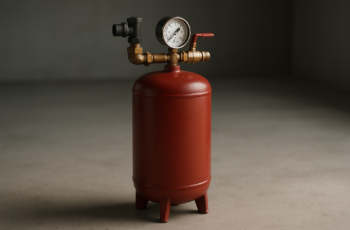
Variable speed air compressors represent a significant advancement in compressed air technology, offering adaptive control that aligns motor speed with fluctuating demand. This precise modulation can lead to substantial energy savings, reduced operational costs, and enhanced system longevity. As industries seek more efficient and sustainable solutions, understanding the mechanics and benefits of these systems becomes essential. Exploring how they operate and their real-world applications can reveal why they are increasingly becoming a critical component in modern compressed air management.
Key Takeaways
- Variable speed compressors adjust motor speed to match air demand, reducing energy waste and improving efficiency.
- They provide precise control, resulting in smoother operation and extended equipment lifespan.
- Energy savings are achieved by modulating motor speed, lowering electricity costs during low-demand periods.
- These compressors enhance system reliability and air quality while minimizing mechanical stress.
- They are ideal for industries with fluctuating air needs, offering cost-effective and sustainable operation.
How Do Variable Speed Air Compressors Work?
Variable speed air compressors operate by adjusting their motor speed to match the demand for compressed air, rather than running at a constant speed. This process relies on advanced variable speed mechanics that enable the motor to modify its rotational speed in real-time. Compressor controls monitor system requirements continuously, analyzing pressure and flow demands to optimize performance. These controls dynamically regulate the motor, ensuring it operates precisely at the needed speed, which reduces excess energy consumption. Unlike fixed-speed units, variable speed compressors respond swiftly to demand fluctuations, maintaining consistent pressure levels while minimizing operational costs. This intelligent integration of variable speed mechanics and compressor controls results in highly efficient operation, preventing unnecessary wear and tear, and enhancing overall system stability.
Key Benefits of Variable Speed Technology
The adoption of variable speed technology offers several significant advantages that enhance both efficiency and cost-effectiveness. By enabling precise compressor control, this technology adjusts motor speed in real-time to match demand, optimizing variable energy consumption. This dynamic regulation reduces unnecessary energy use during low-demand periods, minimizing waste and lowering operational costs. Additionally, variable speed systems promote smoother operation, decreasing mechanical stress and extending equipment lifespan. The ability to modulate compressor output precisely results in more stable pressure levels, improving system reliability. Overall, these benefits demonstrate that variable speed compressor control is essential for maximizing energy efficiency, reducing energy costs, and ensuring consistent performance in modern compressed air systems.
How Variable Speed Compressors Save Energy and Reduce Costs?
By adjusting motor speed in real-time to match demand, variable speed compressors considerably improve energy efficiency compared to traditional fixed-speed models. This dynamic modulation minimizes unnecessary energy consumption by avoiding constant operation at full capacity. As a result, they markedly enhance energy conservation, reducing overall power usage during fluctuating load conditions. The precise control over compressor output not only optimizes operational performance but also leads to substantial cost reduction by lowering electricity bills over time. Additionally, variable speed technology reduces wear and tear on components, decreasing maintenance costs and extending equipment lifespan. Overall, these systems deliver a more sustainable, cost-effective solution by aligning energy consumption closely with actual demand, consequently maximizing efficiency and minimizing waste.
Which Industries Benefit Most From Variable Speed Compressors?
Manufacturing processes that require precise and variable air flow considerably benefit from the energy efficiency of variable speed compressors. The automotive industry, with its extensive use of pneumatic tools and assembly lines, also sees substantial gains in operational flexibility and cost savings. Understanding these applications helps identify sectors where technology adoption can optimize productivity and reduce energy consumption.
Manufacturing Efficiency Boosts
Industries with high and fluctuating air demand, such as automotive manufacturing, electronics assembly, and food processing, stand to gain considerably from the implementation of variable speed air compressors. These systems optimize energy use by adjusting output to real-time needs, directly enhancing manufacturing efficiency. Visualize:
- Consistent air pressure levels, minimizing disruptions.
- Improved air quality, reducing contaminants that can compromise product integrity.
- Noise reduction, creating safer, more comfortable work environments.
- Reduced energy consumption, lowering operational costs.
Automotive Industry Applications
Have you considered how the automotive sector specifically benefits from variable speed air compressors? These systems optimize energy consumption by adjusting output to match demand, considerably enhancing fuel efficiency during manufacturing and assembly processes. This dynamic regulation reduces unnecessary power wastage, contributing to lower operational costs. Additionally, variable speed compressors excel at noise reduction, creating a safer and more comfortable work environment for employees. This noise mitigation is especially important in automotive plants, where precision and safety are paramount. The ability to maintain consistent pressure levels while minimizing energy consumption and noise makes these compressors ideal for automotive applications. Overall, the integration of variable speed technology results in more sustainable, cost-effective, and quieter manufacturing operations within the automotive industry.
How to Choose the Right Variable Speed Compressor for Your Business?
Selecting the appropriate variable speed compressor requires a thorough understanding of your operational demands and energy consumption goals. Key factors include capacity fluctuations, energy storage needs, and noise management. To optimize selection, consider:
- Load variability: Assess if your demand fluctuates considerably, justifying a compressor that adjusts speed accordingly.
- Energy efficiency: Identify how energy savings align with your operational costs and whether variable speed control reduces overall consumption.
- Noise levels: Determine acceptable compressor noise, especially in sensitive environments, where quieter models may be preferred.
- Operational environment: Evaluate ambient conditions and potential impacts on compressor performance, including how energy storage systems may influence startup and shutdown cycles.
Choosing wisely ensures reduced compressor noise, improved energy efficiency, and optimized operational performance.
Common Challenges and Tips for Maintaining Variable Speed Compressors
Maintaining variable speed compressors presents unique challenges due to their complex control systems and operational variability. Proper lubrication techniques are critical to prevent wear and guarantee smooth operation, especially under fluctuating load conditions. Regular monitoring of lubrication levels and quality minimizes equipment downtime. Noise reduction remains a key concern, as variable speed models can generate variable sound levels; installing sound-dampening components can mitigate this issue. To optimize performance, practitioners should focus on precise calibration and timely filter replacements. The table below summarizes common challenges and effective tips:
| Challenge | Tip |
|---|---|
| Lubrication inconsistencies | Use high-quality lubricants and monitor regularly |
| Noise levels | Implement noise reduction measures |
| Control system faults | Schedule routine diagnostics |
| Wear and tear | Conduct preventive maintenance |
Frequently Asked Questions
What Is the Typical Lifespan of a Variable Speed Air Compressor?
Typically, a variable speed air compressor lasts 10 to 15 years, depending on usage and maintenance. With energy efficiency and cost savings as key benefits, proper upkeep maximizes lifespan and operational efficiency over its service life.
How Noisy Are Variable Speed Compressors Compared to Fixed-Speed Models?
Like a whisper in a library, variable speed compressors are considerably quieter than fixed-speed models. Their lower noise levels result from advanced sound insulation and variable operation, making them ideal for noise-sensitive environments while maintaining efficiency.
Are There Any Environmental Regulations Affecting Variable Speed Compressor Use?
Environmental regulations increasingly target energy efficiency and emissions, affecting variable speed compressor use. We monitor these standards closely to guarantee regulatory compliance, as their environmental impact directly influences operational choices and technological adaptations in our systems.
Can Variable Speed Compressors Be Integrated With Existing Systems?
Integrating variable speed compressors is like fitting a new gear into an existing engine; system compatibility varies, and retrofitting challenges may arise, requiring careful analysis to guarantee seamless operation and maximum efficiency within current setups.
What Maintenance Is Required to Ensure Optimal Performance?
We guarantee peak performance by adhering to strict lubrication schedules and timely filter replacements, which reduce wear and prevent contamination, ultimately maintaining efficiency and prolonging the lifespan of variable speed air compressors.
Conclusion
By integrating variable speed air compressors, we arguably tune our systems like a precision instrument, matching energy output to demand with seamless accuracy. This adaptive approach not only conserves energy and cuts costs but also reduces wear, extending equipment life. As industries evolve, embracing this technology becomes essential—like upgrading from a steady drumbeat to a dynamic symphony—ensuring our compressed air systems operate at peak efficiency, sustainability, and reliability in an increasingly demanding environment.